
Heated blankets are a popular choice for staying warm during colder months. However, many users may overlook the importance of fabric types when seeking comfort and functionality.
While sherpa blankets are known for their plush feel, alternatives like ribbed faux fur and flannel can provide similar warmth with added benefits such as lighter weight and easier care.
Heated Blanket Not Sherpa: Effective Alternatives
Non-sherpa heated blankets can offer effective warmth and comfort through materials like ribbed faux fur and flannel. These fabrics provide heat retention without the bulk and heaviness typical of sherpa blankets.
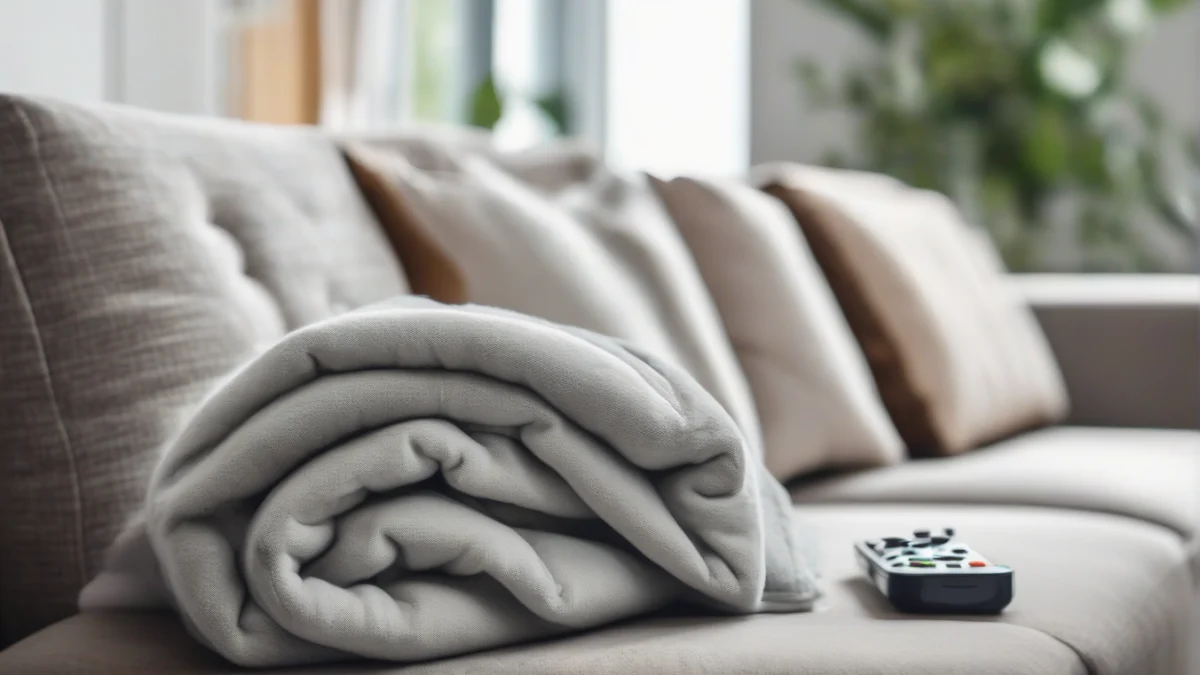
If your heated blanket is not working, it may not be the fabric but a control or wiring issue common across all types, including Intertek-certified blankets that include troubleshooting guides to fix common faults.
Ribbed faux fur combines a plush texture with a lighter weight, allowing heat to circulate evenly without trapping moisture. This makes it warm yet breathable. Flannel, especially double-layered versions, traps body heat efficiently while feeling soft against skin and remains less bulky than sherpa.
Maintenance is easier with these materials. Faux fur and flannel blankets typically tolerate machine washing better than sherpa, which can mat or lose softness when washed frequently. Always remove controllers and cool the blanket before cleaning to protect heating elements.
| Fabric Type | Warmth | Bulk | Maintenance | Common Use |
|---|---|---|---|---|
| Ribbed Faux Fur | High warmth with soft texture | Light to medium | Machine washable with care | Throws, sofa blankets |
| Flannel | High warmth, breathable | Light | Machine or hand wash, gentle cycle | Bed throws, office blankets |
| Sherpa | Very high warmth, heavy | Heavy and bulky | Delicate wash, prone to matting | Bedroom blankets, winter use |
Both ribbed faux fur and flannel heated blankets come with multiple heat settings and safety features like automatic shutoff and overheat protection. These features ensure consistent comfort and reduce risk if you forget to turn the blanket off.
Common Problems with Non-Sherpa Heated Blankets
Users of non-sherpa heated blankets often report issues like uneven heating, fabric discomfort, and control malfunctions. These problems can usually be resolved with simple troubleshooting or by selecting blankets with reliable safety features.
The red light on a heated blanket typically indicates power or heating status. If the blanket won’t turn on or the red light stays off, check that the controller is properly connected and the outlet has power. Resetting the controller or unplugging and re-plugging the blanket can sometimes restore function.
- Check Power SourceEnsure the blanket is plugged into a working outlet and the controller is connected securely.
- Inspect Controller and CordLook for visible damage or loose connections. Replace damaged cords per manufacturer instructions.
- Reset the BlanketUnplug the blanket and controller for 5 minutes, then reconnect to reset the system.
- Consult Manual for Error IndicatorsSome models display error codes with lights or sounds. Refer to the manual for specific troubleshooting steps.
Fabric discomfort can occur if the material is too rough or causes sweating. Choosing blankets with soft, breathable fabrics like flannel can reduce this issue. Consistent heat settings and automatic shutoff also prevent overheating and skin irritation.
If your heated blanket continues to malfunction after these steps, professional repair or replacement is safer than attempting internal fixes yourself.


Understanding Heated Blanket Fabric Types
Heated blankets come in various fabric types, each with different warmth, texture, and care needs. Ribbed faux fur, flannel, and traditional sherpa are common options. Understanding their differences helps you pick the right balance of comfort, durability, and maintenance.
Ribbed faux fur has a dense, plush texture with a GSM (grams per square meter) around 220 to 280. This high GSM means it traps heat well and feels luxuriously soft. It resists matting but can be heavier than other fabrics.
Flannel is lighter with a GSM typically between 160 and 200. It has a smooth, soft surface and excellent breathability, making it suitable for those who want warmth without extra weight. Flannel blankets often machine wash well but require gentle cycles and air drying to maintain softness.
Sherpa fabric mimics wool with a thick, fluffy pile and a GSM usually over 300. It provides maximum insulation but tends to be bulky and less breathable. Sherpa blankets often require special care to avoid shrinking or matting, and they dry slowly.
| Fabric Type | Typical GSM | Warmth Level | Machine Washability | Durability |
|---|---|---|---|---|
| Ribbed Faux Fur | 220-280 | High | Machine washable; remove controller before wash | Resists matting; heavier |
| Flannel | 160-200 | Medium | Machine washable; gentle wash, air dry | Softens with use; lighter |
| Sherpa | 300+ | Very high | Hand wash or gentle machine wash; slow drying | Bulky; prone to matting |
The Intertek heated blanket manual advises removing the controller and unplugging the blanket before washing to protect the heating elements. Replacement cords are available for many models if the original wears out or malfunctions.
For daily life, wearable heated blankets often use flannel or lighter fabrics to provide warmth without restricting movement or causing overheating. Their design prioritizes comfort and ease of care over maximum insulation.
- Check Fabric GSMHigher GSM means more insulation but heavier weight. Choose based on your warmth needs and comfort preference.
- Follow Care InstructionsAlways remove controllers and cords before washing. Use gentle cycles or hand wash when recommended.
- Replace Cords When NeededUse manufacturer-approved replacement cords to maintain safety and function.
Cost of Running a Heated Blanket
Running costs for heated blankets depend on power consumption, usage time, and your electricity rate. The basic formula is watts ÷ 1,000 × hours used × price per kilowatt-hour (kWh). This calculation shows how much you pay for electricity each time you use the blanket.
Most heated blankets use between 60 and 150 watts on average. For example, a 150-watt blanket running 8 hours a day at a rate of 17 cents per kWh costs: 150 ÷ 1,000 × 8 × 0.17 = $0.20 per day. Over a 30-day month, that adds up to about $6.
Different heat settings change power use. Lower settings consume less electricity, reducing costs. Some blankets cycle the heating elements on and off to maintain temperature, which also lowers average consumption.
Plugging a heated blanket into a car requires a 12-volt adapter designed for the blanket’s power needs. Always check the manufacturer’s instructions and avoid using replacement cords not rated for automotive use.
Replacement cords for heated blankets must match the model to ensure safety and proper function. Using incorrect cords can cause errors or hazards.
Maxeve heated blanket error codes often indicate issues with the power supply or controller. Troubleshooting these codes usually involves checking connections and replacing faulty cords or controllers.
| Appliance | Watts | Per hour | Per day (8 h) | Per month (30 days) |
|---|---|---|---|---|
| 1,500 W space heater | 1,500 W | 26¢ | $2.04 | $61.20 |
| Heated blanket (average 150 W) | 150 W | 2.6¢ | 20¢ | $6.12 |
Maintenance Tips for Non-Sherpa Heated Blankets
Cleaning a heated blanket requires care to avoid damaging the heating elements. Always unplug the blanket and detach the controller before washing. Never submerge the controller or electrical connections in water.
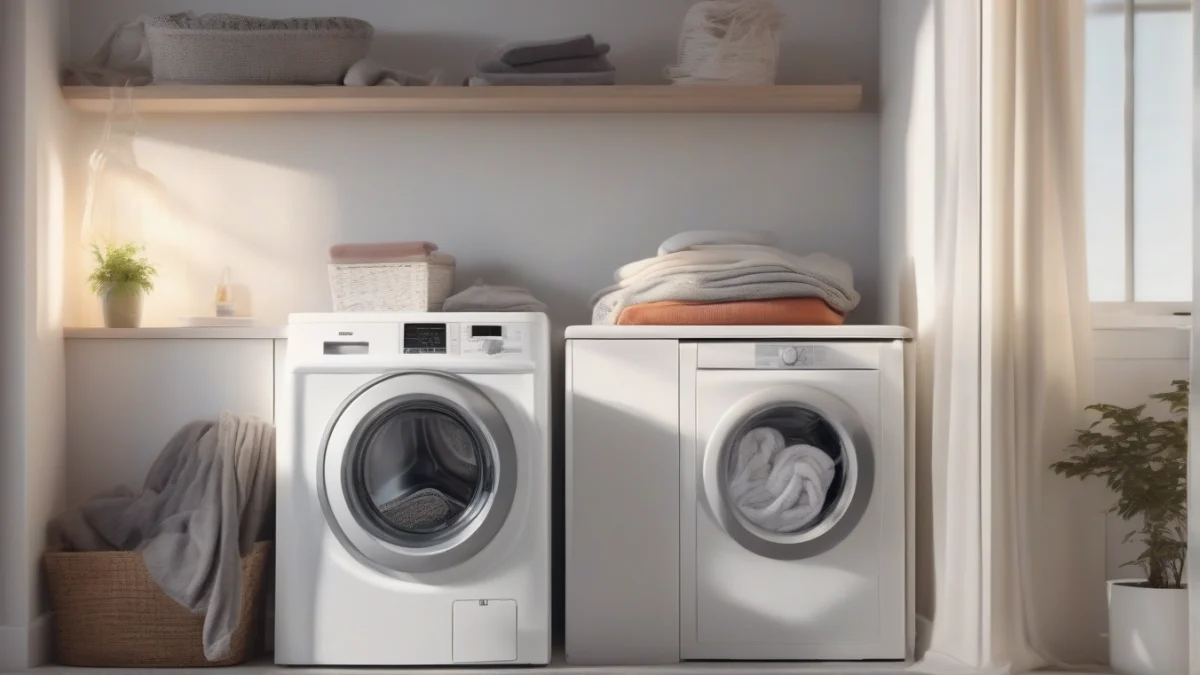
- Remove the controllerUnplug and detach the control unit from the blanket before any cleaning.
- Check fabric typeLook at the care label for washing instructions specific to the fabric, such as faux fur, flannel, or microfiber.
- Choose washing methodMost non-sherpa heated blankets can be machine washed on a gentle cycle with cold water, but hand washing is safer for delicate fabrics.
- Use mild detergentAvoid bleach and fabric softeners which can damage fibers and heating wires.
- Dry properlyAir drying flat on a clean surface preserves fabric integrity and prevents overheating. Avoid tumble drying unless the label explicitly allows it.
Fabric care varies by type. Flannel and microfiber tolerate gentle machine washing better than ribbed faux fur, which can mat or shed if agitated too much. Avoid ironing any heated blanket fabric.
Some heated blankets have buttons or snaps to secure the controller or fold the blanket. Always open these before washing to prevent stress on the connections. Closed buttons can trap water and cause uneven drying or damage.
Frequently Asked Questions About Heated Blankets
Frequently Asked Questions
What is the best alternative to a sherpa heated blanket?
How do I troubleshoot my heated blanket?
What does the red light on my heated blanket indicate?
Can I machine wash my heated blanket?
What safety features should I look for in a heated blanket?
How much does it cost to run a heated blanket?
We go through choosing blankets for teens step by step in a separate article.
For the detail, see our notes on common bomova issues.
