
Heated step in blankets are designed to provide targeted warmth while allowing users to move freely. However, many users encounter issues such as bulkiness, uneven heat distribution, and safety concerns. Understanding these challenges can help you choose the right heated blanket for your needs.
Heated Step In Blanket: Comfort and Mobility Combined
A heated step in blanket is a wearable heated throw designed to provide warmth while allowing you to move freely. It combines the comfort of a heated blanket with the convenience of sleeves and foot pockets so you can step into it and stay warm without being confined.
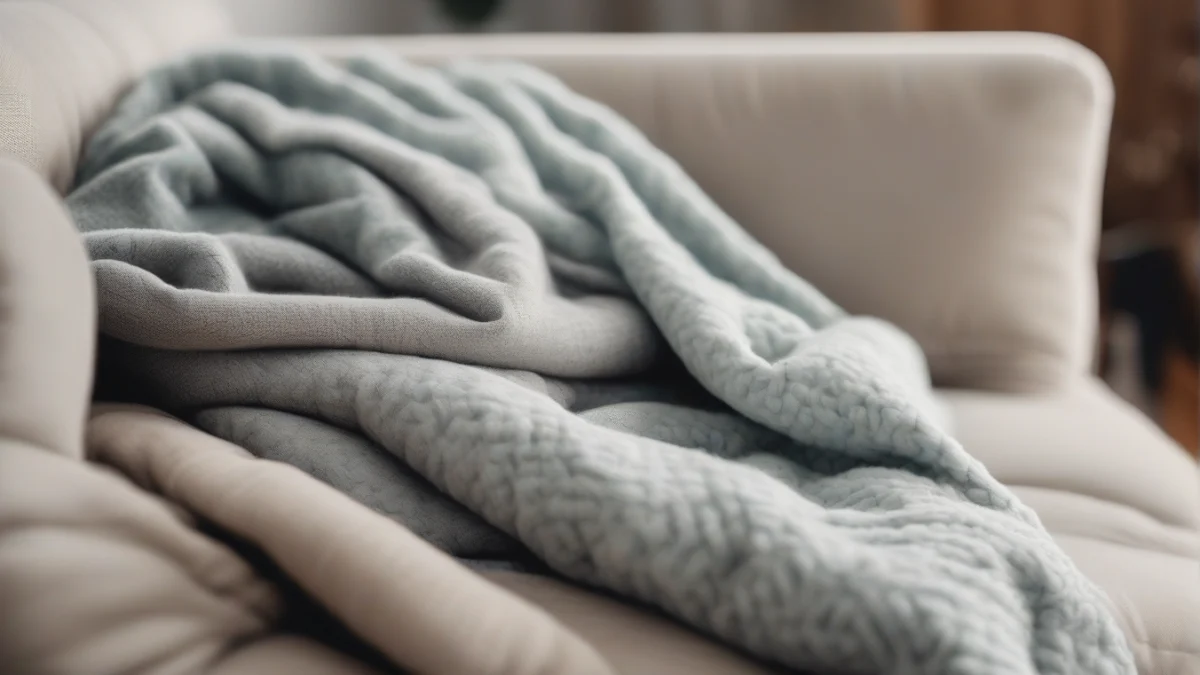
These blankets feature long sleeves and integrated foot pockets that keep your arms and feet warm while your torso stays covered. The design allows you to wear the blanket like a robe or poncho, freeing your hands and legs for tasks around the house.
The key benefit is targeted warmth combined with mobility. Unlike traditional heated blankets that require you to stay still, a heated step in blanket lets you walk, sit, or lounge while maintaining consistent heat. This makes it practical for activities like reading, working on a computer, or watching TV.
The sleeves are usually long enough to cover your wrists and hands partially, and the foot pocket is deep enough to fully enclose your feet. This design reduces heat loss from exposed extremities, which are often the first to feel cold.
| Feature | Benefit |
|---|---|
| Foot pocket | Keeps feet warm and enclosed without restricting movement |
| Sleeves | Allow hand mobility while providing warmth |
| Wearable design | Enables walking and multitasking |
| Adjustable heat settings | Customizable comfort level |
| Auto shut-off timer | Energy-efficient and safe use |
Most models use electric heating elements embedded in soft flannel or sherpa fabric, which distribute heat evenly. They also come with adjustable temperature controls and automatic shut-off timers for safety and convenience.

Common Challenges with Heated Step In Blankets
Common user problems with heated step in blankets include restricted mobility, uneven heating, safety concerns, size and fit issues, and durability of materials. These challenges can affect comfort and satisfaction if not addressed.
Restricted mobility sometimes occurs if sleeves or foot pockets are too tight or poorly designed. This can limit hand and foot movements, making tasks difficult. Look for blankets with roomy sleeves and deep foot pockets to avoid this.
Uneven heating is another frequent challenge. Some blankets have heating elements concentrated in certain areas, leaving cold spots. This can reduce the effectiveness of the blanket and cause frustration.
Safety concerns include overheating and electrical faults. Certified blankets with automatic shut-off timers and overheat protection reduce risks. Using the blanket according to manufacturer instructions is essential.
Size and fit issues arise when blankets are too small to cover the user fully or sleeves and foot pockets do not fit properly. This compromises warmth and comfort.
Durability of materials is important since heated blankets undergo frequent use and washing. Fabrics should be soft but strong, and heating elements should withstand repeated flexing without damage.
- Users who want warmth with freedom to move
- People needing coverage for hands and feet
- Those who want adjustable heat settings
- Users who need very loose or oversized fit
- People sensitive to electric cords around limbs
- Those looking for ultra-lightweight blankets


Choosing the Right Heated Step In Blanket
Choosing a heated step in blanket starts with matching its features to your needs. Consider mobility, material quality, safety, heating zones, and control simplicity. These factors affect comfort, convenience, and safety.
- Assess Mobility NeedsLook for a model with sleeves and a foot pocket sized to allow easy movement. Oversized blankets can restrict motion. The blanket should fit your body without tightness or excess fabric that trips you up.
- Check Material QualityChoose blankets made from thick, soft fabrics like flannel or sherpa with high GSM ratings. High-density materials retain heat better and last longer. Avoid thin or cheap polyester that wears out quickly.
- Verify Safety FeaturesPick blankets with UL, ETL, or FCC certification. Overheat protection and auto shut-off timers reduce fire risk. Avoid models without these safety measures for indoor use.
- Look for Multiple Heating ZonesBlankets with independent heating zones provide balanced warmth to arms, torso, and feet. This prevents cold spots and improves comfort during long use.
- Choose Simple ControlsSelect a blanket with an easy-to-use controller featuring clear heat level settings and a timer. Wireless or detachable controllers add convenience but make sure they are sturdy and responsive.
Understanding the Running Costs of Heated Blankets
A heated blanket’s electricity consumption depends on its wattage, hours used, and electricity rate. Knowing how to calculate running costs helps you budget heating expenses.
The formula for electricity consumption is watts divided by 1,000, multiplied by hours used, then multiplied by your cost per kilowatt-hour (kWh). For example, a 100-watt heated blanket used 8 hours daily at 17 cents per kWh costs 0.1 × 8 × 0.17 = $0.14 per day.
The average US residential electricity rate is about 17 cents per kWh. This rate varies by location but is a practical baseline for estimates.
| Appliance | Watts | Per hour | Per day (8 h) | Per month (30 days) |
|---|---|---|---|---|
| 1,500 W space heater | 1,500 W | 26¢ | $2.04 | $61.20 |
| Heated blanket | 100 W | 1.7¢ | 14¢ | $4.08 |
Heated blankets use far less electricity than space heaters. Running a 100-watt blanket for 8 hours daily costs about $4 monthly, while a 1,500-watt heater costs over $60 for the same usage. This makes heated blankets a cost-effective option for personal warmth.
Using the timer and multiple heat settings helps reduce costs by avoiding unnecessary power use. Auto shut-off features prevent leaving the blanket on too long.
Always unplug the heated blanket when not in use to avoid phantom energy drain. Follow the manufacturer’s instructions for safe operation and maintenance to ensure efficiency.
Maintenance Tips for Heated Step In Blankets
Maintaining a heated step in blanket starts with proper cleaning and handling. These blankets often have detachable controllers that must be removed before washing to avoid damage to electrical components.
- Remove the ControllerUnplug and detach the controller from the blanket before any cleaning. Do not wash the controller or expose it to water.
- Follow Washing InstructionsCheck the manufacturer’s label for washing guidelines. Most heated step in blankets require a gentle cycle with cold water and mild detergent. Avoid bleach or fabric softeners, which can degrade heating wires.
- Dry CarefullyAir drying is safest. If using a dryer, use the lowest heat setting and remove the blanket promptly to prevent overheating or damage.
- Store ProperlyFold the blanket loosely without sharp creases to protect the heating elements. Store in a dry place away from direct sunlight and moisture.
Frequently Asked Questions About Heated Step In Blankets
Heated step in blanket FAQs cover safety, use, and heating duration concerns. These blankets typically meet UL or ETL safety certifications, indicating they have passed electrical safety tests.
Most models come with automatic shut-off features that turn the heat off after 1 to 10 hours, depending on the setting. This prevents overheating and conserves energy.
For best results, use the blanket on a flat or gently draped surface to ensure even heat distribution. Avoid folding or bunching while in use to protect the heating wires.
Users often ask if these blankets can be used overnight. While some models are designed for extended use, confirm with the manufacturer’s instructions. Never leave any electric blanket unattended if it lacks a safety shut-off.
Another common question is about power consumption. Most heated blankets use between 100 and 200 watts, making them economical for continuous use compared to heating an entire room.
Follow these practices to extend your blanket’s life: detach controllers before washing, dry on low heat or air dry, store flat or loosely folded, and replace the blanket if the wiring shows signs of damage or uneven heating.
For more on related heated blankets and their uses, see our guides on heated shawl blankets and heated body wrap blankets.
