
Heated blankets are popular for providing warmth during cold nights. However, many users find themselves questioning the effectiveness of heated blankets that lack a sherpa lining, leading to concerns about warmth and safety.
Heated Blanket No Sherpa: Benefits and Considerations
A heated blanket no sherpa lining offers lightweight comfort and easier care without sacrificing warmth. These blankets use thin, flexible fabrics that heat quickly and dry faster than thick sherpa models.
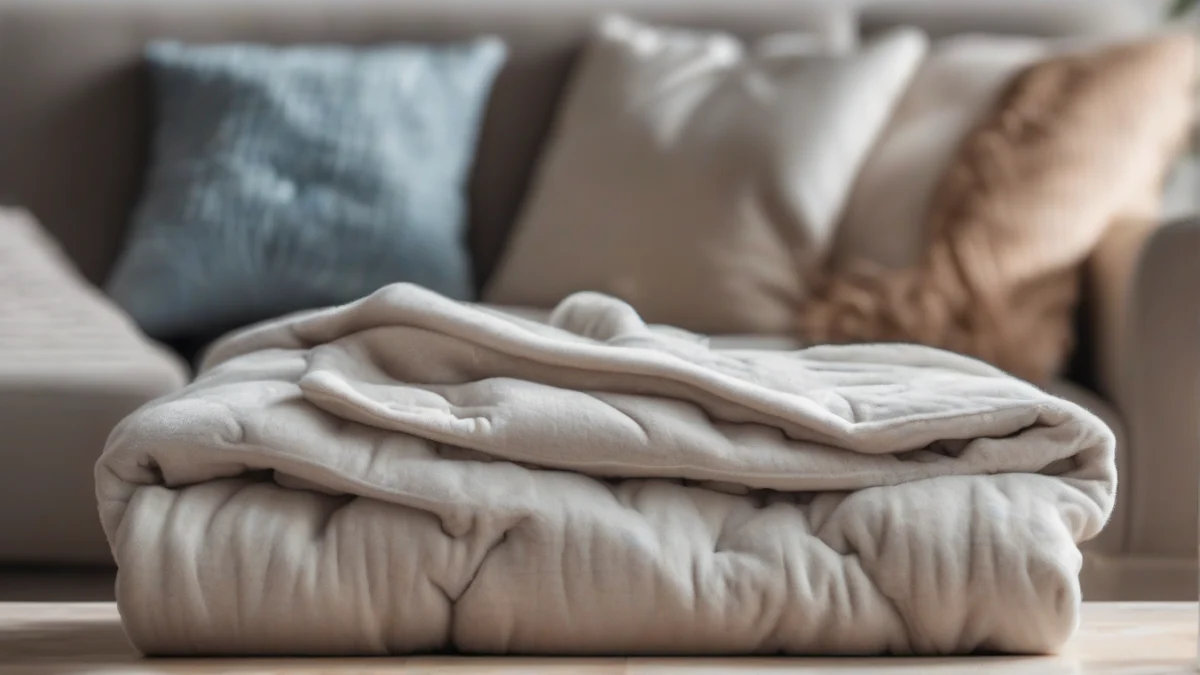
Non sherpa heated blankets weigh less and fold compactly, making them easier to store and carry. They often use polyester or microfiber layers that are machine washable, unlike many sherpa blankets which require delicate cleaning.
Temperature control is a key feature in most heated blankets without sherpa. Many models provide multiple heat settings or digital controls to adjust warmth precisely. This lets users avoid overheating and save electricity by using only the heat they need.
Durability varies by material quality. Sherpa blankets tend to resist wear better because of their thick pile, while non sherpa blankets can show thread wear or fabric thinning over time. Still, high-grade polyester or nylon blends maintain strength and color well with proper care.
| Feature | Heated Blanket With Sherpa | Heated Blanket No Sherpa |
|---|---|---|
| Weight | Heavier, bulky | Lightweight, easy to handle |
| Care | Delicate wash, longer dry | Machine washable, quick dry |
| Heat Control | Often basic settings | Multiple digital settings common |
| Durability | Thick fabric resists wear | Depends on fabric, less bulky but can thin |
Common Challenges with Heated Blankets Without Sherpa
Users often find heated blankets without sherpa provide less warmth, especially in very cold rooms. The thinner fabric holds heat less effectively than the dense sherpa pile.
A frequent complaint is the blanket not heating properly. This can happen from power issues, damaged wiring, or controller failure. Checking the plug, controller settings, and power source is the first step if your heated blanket is not working.
- Check Power ConnectionConfirm the blanket is plugged into a working outlet and the power switch is on.
- Inspect ControllerMake sure the temperature control is set above the lowest setting and the controller shows power.
- Look for DamageExamine the cord and blanket for visible wear or breaks that could interrupt heating.
Static electricity is another issue with synthetic fabrics common in non sherpa heated blankets. It can cause mild shocks or attract dust. Using a humidifier and anti-static spray helps reduce static buildup.
Design options are often limited compared to sherpa blankets. Non sherpa heated blankets usually come in fewer colors and styles because the focus is on thin, heat-conductive fabric rather than plush appearance.


Practical Solutions for Heated Blankets Without Sherpa
If your heated blanket no sherpa lining feels less warm, start by checking the controller and connections. For brands like Intertek-certified blankets, troubleshooting often involves unplugging, waiting a minute, then reconnecting the controller and power cord in the correct order to reset the system. If the blanket still does not heat, inspect the wires for damage and avoid using it if any are exposed.
Choose blankets made from high-quality materials like double-layer flannel or microplush. These fabrics trap heat better than thin polyester and remain soft without the bulk of sherpa. A dense weave also helps retain warmth when the heater is off.
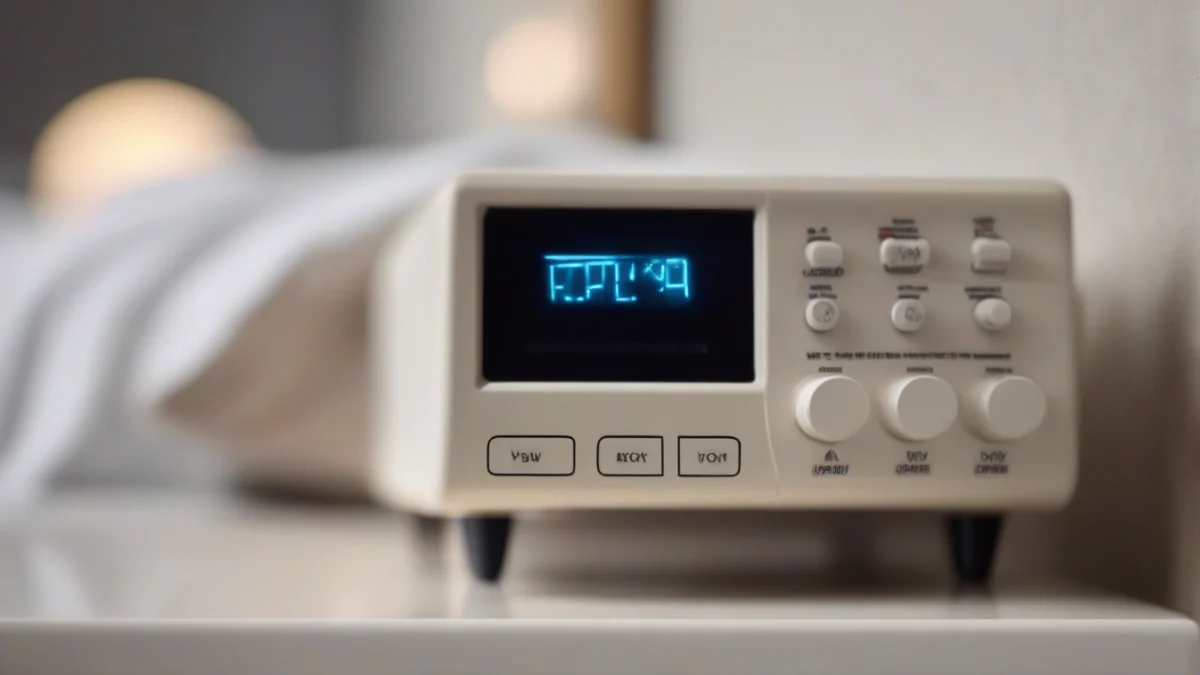
Select a heated blanket with a programmable digital controller. These let you set exact temperatures and timers, improving comfort and energy efficiency. Some models offer multiple heat levels and automatic shutoff after 3 to 4 hours for safety.
Look for safety features such as overheat protection and automatic shutoff. These prevent the blanket from reaching unsafe temperatures and reduce fire risk. Certified blankets carry ETL or FCC marks confirming these protections.
Maintain your blanket regularly by following the manufacturer’s cleaning instructions. Most heated blankets without sherpa can be machine washed after unplugging and removing the controller. Air dry or tumble dry low to avoid damaging heating wires.
| Appliance | Watts | Per hour | Per day (8 h) | Per month (30 days) |
|---|---|---|---|---|
| 1,500 W space heater | 1,500 W | 26¢ | $2.04 | $61.20 |
| Heated blanket | 100 W | 1.7¢ | 14¢ | $4.08 |
Comparative Overview of Heated Blankets
Heated blanket comparisons often start with weight. Sherpa-lined blankets are heavier due to thick, fluffy fibers that add bulk. Non-sherpa blankets use lighter materials like flannel or microplush, making them easier to handle and store.
Non-sherpa blankets are easier to maintain. Their simpler fabric blends tolerate machine washing better and dry faster. Sherpa blankets require gentle washing and careful drying to avoid matting or shrinking the pile.
| Feature | Sherpa Blanket | Non-Sherpa Blanket |
|---|---|---|
| Weight | Heavier, bulky | Lighter, more portable |
| Maintenance | Gentle wash, air dry | Machine washable, quick dry |
| Warmth Retention | High, cozy insulation | Good, depends on fabric density |
| Safety Features | Depends on model, usually certified | Usually certified with auto-off and overheat protection |
Warmth retention varies by fabric and construction. Sherpa excels at trapping heat with its thick pile but can feel too warm for some. Non-sherpa blankets with dense flannel layers offer balanced warmth and breathability, suitable for milder cold or active users.
Modern heated blankets include safety features regardless of lining. Look for ETL or FCC certification, automatic shutoff after 2 to 4 hours, and overheat protection. These features reduce fire risk and make all heated blankets safer for daily use.
Choosing between sherpa and non-sherpa depends on your comfort preferences and maintenance willingness. For lightweight ease and simple care, non-sherpa blankets are best. For plush warmth and softness, sherpa blankets remain a top choice.
For detailed buying options and safety tips, see our guide on the best electric blanket.
Actionable Recommendations for Choosing Heated Blankets
Look for a heated blanket with adjustable temperature controls, automatic shut-off, and modern safety certifications such as UL or ETL. These features ensure you can customize warmth while reducing fire risk.
Research consumer reviews and safety ratings before buying. Pay attention to comments about durability, comfort, and whether the blanket maintains heat evenly. Safety reports can alert you to recalls or common electrical issues.
Test different blankets for comfort if possible. Feel the fabric and check the weight. A blanket without sherpa lining tends to be lighter and less bulky, which suits those who dislike heavy bedding but still want steady warmth.
Prioritize models with tip-over protection and overheat sensors. These features automatically cut power if the blanket shifts or reaches unsafe temperatures, especially important if you plan to use it while resting.
- Regular CleaningFollow the manufacturer’s instructions for washing. Most heated blankets require gentle cycles and must be unplugged and fully dry before use.
- Cord and Controller CheckInspect cords and controllers for wear or damage before each use. Replace damaged parts rather than repair to avoid electrical hazards.
- StorageStore your heated blanket flat or rolled, never folded tightly, to protect internal wiring.
