Feeling a draft? You’re not alone. Many homeowners notice their energy bills creeping up and their comfort levels dropping. The culprit is often inadequate insulation. The good news is that tackling this doesn’t require a professional contractor’s budget or expertise. With the right approach, you can make a significant impact yourself.
This guide is for the motivated beginner. We’ll break down inexpensive insulation options into manageable steps. You’ll learn about materials, costs, and simple techniques. Think of it as a starter kit for home efficiency. For instance, when dealing with small gaps and cracksa critical first step before adding bulk insulationa product like the BEEST FullStop Spray can be a game-changer. It’s a foam sealant designed for precise application, perfect for those tricky spots around windows and pipes that let in cold air.

DIY Insulation Basics: Where to Start
Before you buy any material, understand the goal. Insulation slows heat transfer. In winter, it keeps warmth in. In summer, it keeps heat out. The key metric is R-valuea measure of thermal resistance. Higher R-value means better performance. Your first project shouldn’t be insulating exterior walls. Start simpler.
Focus on areas like the attic, garage, or basement rim joists. These are often accessible and have the biggest payback. Remember, insulation works best with proper air sealing. Plugging leaks is your first, most cost-effective task. If your house stays cold despite having some insulation, air leaks are likely the reason.
Top 5 Budget-Friendly Insulation Materials Compared
Heres a practical look at common low-cost insulation materials. Were focusing on easy insulation install options suitable for starter projects.
1. Fiberglass Batts (The Classic)
These are the pink or yellow rolls you’ve likely seen. They’re a staple for budget insulation.
- Pros: Very low home insulation cost per square foot, readily available, can be cut with a utility knife.
- Cons: Requires careful handling (gloves, mask, goggles are mandatory), performance drops if compressed or if gaps are left.
- Best For: Attic floors, unfinished walls with standard stud spacing. A great answer to “what is the cheapest way to insulate an attic for a beginner?“
2. Mineral Wool (Rock Wool)
This denser, often gray material is gaining popularity for DIYers.
- Pros: Higher R-value per inch than fiberglass, fire-resistant, repels water, easier to cut precisely.
- Cons: Slightly more expensive than fiberglass, heavier to handle.
- Best For: Basements, garages, and any area where moisture or fire resistance is a priority. Arguably one of the best inexpensive insulation for garage in winter projects.
3. Rigid Foam Boards
These are panels of polystyrene or polyiso foam. They provide an excellent affordable thermal barrier.
- Pros: High R-value for their thickness, moisture resistant, easy to score and snap.
- Cons: Can be more expensive per board, requires seams to be sealed with tape for full effectiveness.
- Best For: Interior basement walls, exterior sheathing, and adding a layer over existing attic insulation.
4. Loose-Fill Cellulose
Made from recycled paper treated with fire retardants, it’s blown into spaces.
- Pros: Excellent for filling irregular cavities, good economical R-value, very eco-friendly.
- Cons: Usually requires a rental blowing machine, can settle over time reducing effectiveness.
- Best For: Adding insulation over existing attic material or filling enclosed wall cavities (advanced DIY).
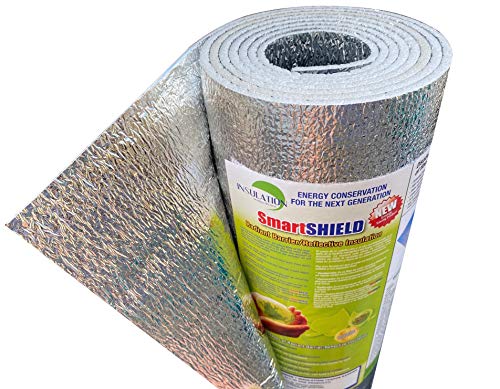
5. Reflective Insulation (Radiant Barrier)
This foil-faced material reflects radiant heat, working differently than bulk materials.
- Pros: Great for hot climates, very thin and easy to staple up.
- Cons: Only effective with an air gap facing the heat source, does not provide high R-value on its own in cold climates.
- Best For: Attic rafters in sunny regions to reduce summer cooling loads.
| Material | Approx. Cost per Sq. Ft. | DIY Difficulty | Key Strength |
|---|---|---|---|
| Fiberglass Batts | $0.50 – $1.50 | Low | Lowest upfront cost |
| Mineral Wool | $1.00 – $2.00 | Low | Moisture & fire resistance |
| Rigid Foam Boards | $1.00 – $2.50 | Medium | High R per inch |
| Loose-Fill Cellulose | $1.00 – $1.80 (installed) | Medium-High | Fills irregular spaces |
| Reflective Foil | $0.20 – $0.50 | Low | Radiant heat reflection |
Costs are approximate and vary by region and R-value. They help answer “how much does DIY insulation cost per square foot?“
Step-by-Step Guide for First-Time Installation
Let’s walk through a common starter insulation project: adding batts to an unfinished attic floor. This is often the best insulation for beginners.
Step 1: Safety & Prep First
Never skip this. Wear a mask (N95 minimum), safety goggles, gloves, and long sleeves. Bring a strong work light. Lay down plywood or boards across the joists to walk on. Never step between the joistsyou could fall through the ceiling.
Step 2: The Critical Air Seal
Before laying a single batt, seal air leaks. Use caulk or spray foam (like the BEEST FullStop Spray mentioned earlier) around plumbing vents, electrical wires, and light fixtures penetrating the attic floor. This step is more important than the insulation itself. It’s the core of simple weatherization.
Step 3: Measure, Cut, and Place
Unroll the batt between the joists. It should fit snugly without being compressed. Use a utility knife and a straight edge to cut lengths. For width, it’s often pre-cut to standard 16″ or 24″ spacing. If you need to cut width, compress it on a board and slice.
Step 4: Mind the Details
Don’t cover soffit vents. Use baffles to maintain airflow from the eaves. Keep insulation at least 3 inches away from recessed light fixtures unless they are rated IC (Insulation Contact). For the easiest insulation to install yourself in walls that are already closed, blown-in cellulose is the method, but it’s a more advanced project requiring special equipment.
Calculating Costs & Potential Energy Savings
Your project budget has two parts: materials and tools. For a 500 sq. ft. attic with fiberglass batts (R-30), material cost might be $375-$750. Add $50 for basic tools (knife, stapler, sealant). Compare that to a professional quote of $1,500+. The DIY savings are clear.
The payback comes from energy savings. The U.S. Department of Energy estimates proper attic insulation can save 10-50% on heating and cooling bills. Their official source for insulation guidelines is invaluable for checking recommended R-values for your zone. A $500 DIY project might save you $200 annually. That’s a 2.5-year payback. Not bad.
Common Beginner Mistakes to Avoid
Learning from others’ errors saves time, money, and frustration.
1. Compressing the Insulation
Stuffing a thick batt into a thin cavity kills its R-value. Air pockets are its secret weapon. Compression removes them. Always use the correct thickness.
2. Ignoring the Vapor Barrier
In certain climates, a vapor barrier (a plastic sheet) is installed on the warm-in-winter side of the insulation. It prevents moisture from inside your home from condensing within the cold wall. Get this wrong, and you invite mold. Check your local building codes.
3. Blocking Ventilation
Insulation and ventilation work as a team. Attics need airflow to prevent moisture buildup and ice dams. Never block soffit, ridge, or gable vents with insulation.
4. Incomplete Coverage
Small gaps matter. A 5% gap in coverage can reduce performance by 30%. Take your time to fit pieces neatly around obstacles. This attention to detail is what makes a DIY job professional-grade. For specific areas like a child’s room, you might consider specialized best practices for safety and comfort.
5. Underestimating Safety
Itch from fiberglass is miserable. Inhaled particles are worse. Suit up properly every single time. It’s not overkill; it’s essential.
Starting your how to insulate a house journey can feel daunting. But by choosing the right insulation materials list for your project, focusing on air sealing, and following basic safety, you can achieve real results. Begin with a small, manageable area like a garage or attic access door. The skills you learn there will build confidence for larger projects. The comfort and savings you gain will make every effort worthwhile. Your home will feel cozier, your bills lower, and you’ll have the satisfaction of a job done with your own hands. Now, go find that draft.