Natural gas boilers are increasingly popular for their efficiency and cost-effectiveness in home heating. With various options available, choosing the right model can significantly impact your heating bills and comfort.
This guide reviews the top natural gas boilers, analyzing their features and benefits to help you make an informed decision.
Natural Gas Boiler and Water Heater Comparison
| Product | Best for | BTU Output | AFUE Rating | Size (H x W x D) | Type | Price |
|---|---|---|---|---|---|---|
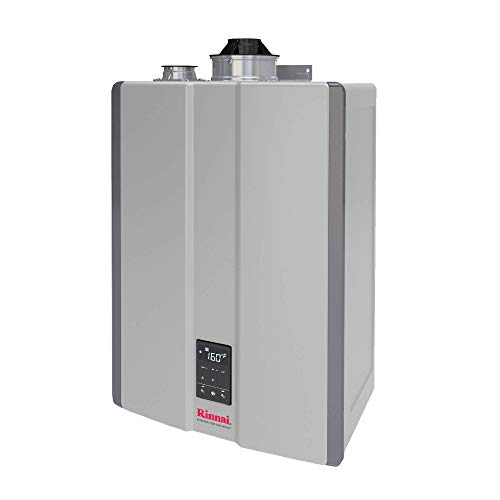
| Rinnai i150SN Condensing Gas Boiler | Best Overall | 150,000 btu | — | — | Condensing Gas Boiler | Check price |
| Rinnai IP150199C I-SERIES Plus Combi Boiler | Best Combo Boiler | 150,000 btu | 96% | — | Condensing Combi Boiler | Check price |
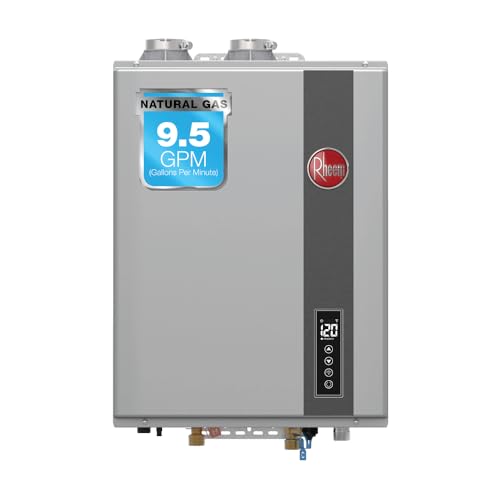
| Rheem RTGH-95DVLN-3 Indoor Tankless Water Heater | Best High Capacity | 199,900 BTU/hr | — | — | Condensing Tankless Water Heater | Check price |
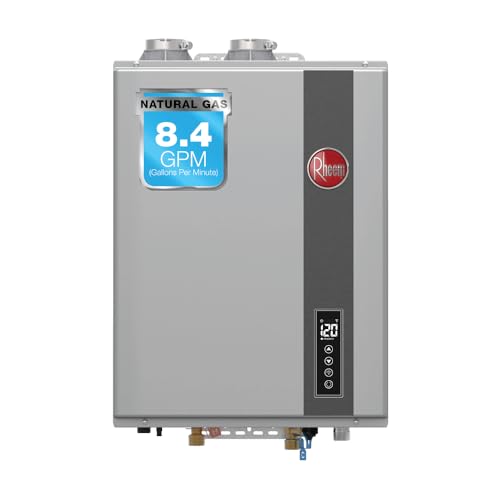
| Rheem RTGH Series 8.4 GPM Indoor Tankless Water Heater | Best for Families | 157,000 BTU/hr | — | — | Condensing Tankless Water Heater | Check price |
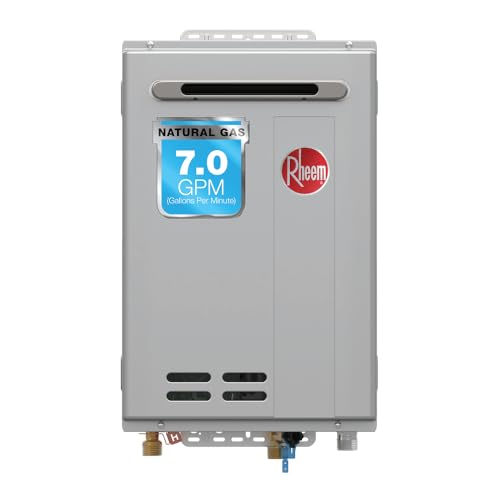
| Rheem RTG Series 7.0 GPM Outdoor Tankless Water Heater | Best Outdoor | 160,000 BTU/hr | — | — | Non-Condensing Tankless Water Heater | Check price |

Top Natural Gas Boilers for Home Heating
Rinnai i150SN Condensing Gas Boiler
- BTU Output150,000 btu
- Size (H x W x D)—
- TypeCondensing Gas Boiler
- Energy-efficient modulating burner
- Smart multizone thermostat control
- Digital display with easy settings
- Space-saving wall mount design
- Requires professional installation
- No built-in hot water heating
Rinnai IP150199C I-SERIES Plus Combi Boiler
- BTU Output150,000 btu
- AFUE Rating96%
- TypeCondensing Combi Boiler
- Combines heating and hot water
- 96% AFUE for energy savings
- Smart Sense Gas Valve technology
- Wi-Fi enabled for remote control
- Requires professional installation
- Larger and more complex than single-function boilers
Rheem RTGH-95DVLN-3 Indoor Tankless Water Heater
- BTU Output199,900 BTU/hr
- AFUE Rating—
- TypeCondensing Tankless Water Heater
- High BTU and flow rate
- Energy-saving condensing technology
- Ultra-low NOx emissions
- Advanced digital temperature control
- Indoor installation only
- Requires direct venting and professional install
Rheem RTGH Series 8.4 GPM Indoor Tankless Water Heater
- BTU Output157,000 BTU/hr
- AFUE Rating—
- TypeCondensing Tankless Water Heater
- High efficiency condensing design
- Supports multiple simultaneous showers
- Built-in safety and freeze protection
- Digital LED temperature control
- Indoor installation with direct venting only
- Requires qualified professional installation
Rheem RTG Series 7.0 GPM Outdoor Tankless Water Heater
- BTU Output160,000 BTU/hr
- AFUE Rating—
- TypeNon-Condensing Tankless Water Heater
- Outdoor installation eliminates indoor venting
- Continuous hot water on demand
- Energy saving compared to electric tanks
- Advanced safety features included
- Non-condensing, less efficient than condensing models
- Lower flow rate for very large homes
How to Choose the Right Natural Gas Boiler
The best natural gas boilers for most homes are high efficiency, direct-vent models that use sealed combustion to draw air from outside and vent exhaust outdoors. This design improves safety and performance. Choose a boiler with an AFUE rating of 90% or higher for efficient fuel use.
Choose Natural Gas or Propane (LP)
Natural gas is often the lowest-cost option per BTU where a gas utility line is available, and the boiler simply ties into your existing gas meter. Propane (LP) makes sense in rural or off-grid homes, cabins, and garages that have a propane tank instead of a gas main. A propane gas boiler (caldera de gas propano) works the same way as a natural gas boiler; only the burner orifices and gas valve settings differ.
Skip it if you only need a heating-only boiler without hot water integration.
Decide If You Need a Combi Boiler
Skip it if you want a boiler only for heating, without a built-in water heater.
A combi boiler heats the house and also makes domestic hot water on demand, in one often wall-hung unit. Combi models fit small and medium homes that usually use one shower at a time and want to save space; large homes with several bathrooms typically run better with a separate boiler plus a dedicated gas water heater or indirect tank.
Size the Boiler to Your Home
Boiler output is rated in BTU per hour. The right size depends on your home’s heat loss, not just square footage, so oversizing ‘for safety’ leads to short cycling, more wear, and higher fuel use. The next section on sizing and heat output walks through how contractors use a heat-loss calculation to pick the BTU range; use that to check that any boiler on your shortlist lands in the right band.
Check Efficiency and Venting
AFUE (Annual Fuel Utilization Efficiency) tells you how much of the gas energy becomes usable heat in the house. A modern non-condensing gas boiler is often around the low-80s AFUE, while condensing models commonly reach around 90 to 95% AFUE by pulling extra heat out of the exhaust with a secondary heat exchanger. A direct-vent, sealed-combustion condensing boiler wastes less fuel and draws combustion air from outdoors, which helps indoor air quality and reduces the risk of flue gases spilling into the room.
Make Sure It Fits Your Space and System
Wall-hung condensing boilers save floor space and fit small utility rooms or closets; floor-standing cast-iron units need more room and weigh more but mate well with older high-temperature radiators. Check the installation manual for vent pipe routing, combustion-air intake, condensate drain, electrical power, and clearance in front of the unit so a technician can service it.
Also match the boiler to your emitters. Low-temperature radiant floors and oversized panel radiators pair best with condensing boilers that stay efficient with cool return water. Older fin-tube baseboard or cast-iron radiators can run on either type, but you save the most fuel when water temperatures are low enough for the boiler to operate in condensing mode for much of the season.
| Factor | What To Decide |
|---|---|
| Fuel | Natural gas if you have a gas main; propane (LP) if you have or plan to add a propane tank. Order the correct fuel version or approved conversion kit. |
| Boiler type | Heat-only boiler with separate water heater, or combi boiler that also provides domestic hot water. |
| Sizing (BTU output) | Match to your home’s heat loss, not just square footage; use a professional heat-loss calculation as a guide. |
| Efficiency and venting | Aim for high-AFUE condensing, direct-vent models where venting is feasible; use non-condensing only if venting or budget demand it. |
| Space and installation | Wall-hung vs floor-standing, vent routing, condensate drain, electrical outlet, service clearances, and tie-in to existing radiators or radiant floors. |
Once you have those answers, you can move quickly through spec sheets or a best boilers for home heating list and ignore any model that does not match your fuel, type, BTU range, and venting.
Understanding Sizing and Heat Output
How to size a gas boiler depends on your home’s heating load. Calculate this by multiplying your home’s square footage by the climate zone factor. For example, a 2,000 sq ft house in a cold climate needs more heat than the same size home in a mild zone.
BTU output directly relates to the heat the boiler can supply. A boiler rated at 100,000 BTU per hour can deliver enough heat to warm a moderately sized house in a cold climate. Oversizing wastes fuel and shortens boiler life; undersizing leaves rooms cold.
If you choose a tankless boiler or water heater, consider your hot water demand. More bathrooms or multiple simultaneous uses require higher gallons-per-minute (GPM) capacity. For instance, a 7 GPM unit suits a small family, while larger homes may need 9.5 GPM or more.
| Appliance | Watts | Per hour | Per day (8 h) | Per month (30 days) |
|---|---|---|---|---|
| 1,500 W electric heater | 1,500 W | 26¢ | $2.04 | $61.20 |
Boiler Safety and Certification Standards
Natural gas boiler safety starts with choosing a model certified by recognized testing agencies like CSA or UL. These certifications ensure the boiler meets strict safety and performance standards, reducing risks of gas leaks, fire, or carbon monoxide exposure.
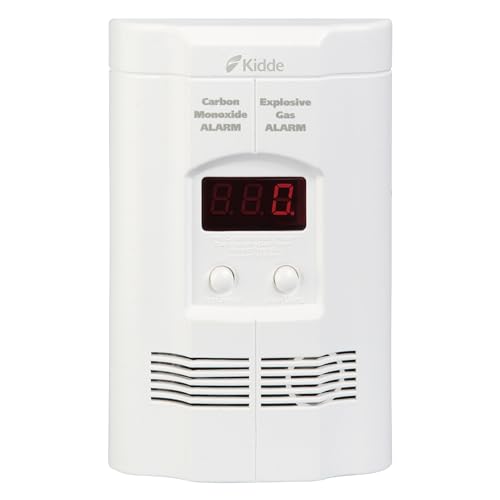
Proper installation is critical for safety and efficiency. Only use licensed plumbers or gas technicians for natural gas boiler setup. Incorrect venting or gas connections can cause carbon monoxide leaks. Install a carbon monoxide alarm near the boiler and test it regularly.
- Hire a licensed installerCheck credentials and experience with natural gas boilers to ensure code compliance.
- Verify venting systemConfirm the vent pipe type and installation meet manufacturer and local regulations.
- Test safety featuresEnsure automatic shut-off and overheat protection activate properly during commissioning.
- Inspect gas connectionsLook for secure fittings and absence of leaks using approved detection methods.
Look for boilers equipped with automatic shut-off valves that stop gas flow if unsafe conditions arise. Overheat protection sensors prevent damage or fire by cutting power if temperatures exceed safe limits. These features are vital for safe long-term operation.
Long-Term Operating Costs and Efficiency
Long-term operating cost for a natural gas boiler comes down to three things: the AFUE efficiency rating, your gas price, and how many BTUs of heat your house actually needs over a season. Higher AFUE means less fuel burned for the same comfort, so a 95% boiler wastes far less heat up the flue than an 80% model.
AFUE tells you how much of the fuel’s energy becomes usable heat. An 80% AFUE boiler turns 80% of the gas into heat and loses 20%; a 95% AFUE boiler loses only 5%. Over a winter needing 60 million BTU of heat at the radiators, an 80% boiler would burn about 75 million BTU of gas, while a 95% boiler would burn about 63 million BTU—roughly a 16% fuel savings for the same comfort.
To estimate your own fuel cost, use this simple method: estimate your seasonal heat demand in BTU or therms, divide by the boiler’s AFUE, and multiply by your gas rate. In formula form: Seasonal cost ≈ (needed BTU ÷ AFUE) × gas price per BTU. Your gas bill usually lists price per therm or per 100 cubic feet (CCF), so you can plug those numbers in directly.
For propane systems, the math is similar: Seasonal cost ≈ (needed BTU ÷ AFUE) ÷ BTU per gallon × propane price per gallon. If you are shopping for best propane boilers residential, focus on a high AFUE condensing model and compare the delivered price per gallon in your area against natural gas, oil, or electric options. Our best propane boilers for home heating guide compares models built specifically for LP.
Venting also affects real-world efficiency. A modern, sealed-combustion, direct-vent boiler pulls combustion air from outdoors and sends exhaust outside, which keeps combustion stable and prevents cold outdoor air from being drawn through leaks in the house. Boilers are always vented; “ventless” gas units are room heaters, not hydronic boilers, and have very different safety and efficiency tradeoffs.
Condensing technology is the biggest efficiency jump in modern gas and propane boilers. By cooling the exhaust enough to condense water vapor and reclaim that latent heat, these units reach AFUE ratings in the low- to mid-90s, compared with 80–85% for older non-condensing designs. That 10–15 percentage point gain translates almost directly into lower gas or propane use every heating season.
Smart controls also trim operating cost. Outdoor reset sensors let the boiler run cooler water on mild days and hotter water in deep cold, which reduces standby losses and short cycling. Zoned controls and programmable thermostats limit run time in rooms you do not use, so each hour of burner time does more useful work.
Maintenance is the other side of long-term cost. An annual service—checking combustion, cleaning the burner and heat exchanger, verifying safeties, and flushing if the system is dirty—keeps efficiency close to the AFUE rating on the label. Ignoring service lets soot, scale, or failed controls drive fuel use up and can shorten the life of expensive parts like pumps and heat exchangers.
Frequently Asked Questions
What is the most efficient natural gas boiler for home heating?
How do I determine the right size for my natural gas boiler?
What are the benefits of a high-efficiency natural gas boiler?
How do I maintain my natural gas boiler for optimal performance?
What safety features should I look for in a gas boiler?
Can a natural gas boiler also provide hot water?
For the detail, see our notes on top efficient boiler models.
Before you buy anything, it is worth looking at choosing a propane boiler.