
Florida pool owners face a specific challenge: water that stays warm most of the year but drops too cold for comfortable swimming during winter evenings and the occasional cold snap. A heater extends the season from six or seven months to year-round use, but the wrong choice costs hundreds in wasted energy or fails entirely when a norther blows through.
Heat pumps pull warmth from the air and work efficiently in Florida’s mild winters. Gas heaters heat fast but cost more to run. Solar heaters depend on sun and take days to raise temperature. The right pick depends on your pool size, whether it holds saltwater, how often you swim in winter, and whether you need the water warm tonight or can wait until the weekend.
Pool Heater Specifications
| Product | Best for | BTU Output | Pool Size (gallons) | Power | COP Rating | Price |
|---|---|---|---|---|---|---|
| TURBRO Beluga B50V 50,000 BTU Inverter Heat Pump | Best overall | 50,000 BTU | Up to 15,000 | 220-240 V | 15.90 | Check price |
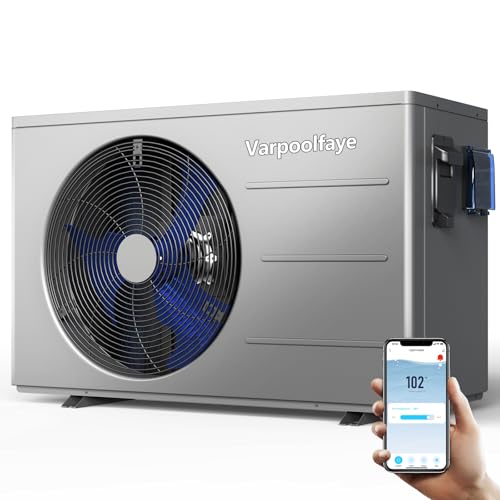
| Varpoolfaye 40,000 BTU Heat Pump | Best for cooling | 40,000 BTU | Up to 12,000 | 220 V | 6.2 | Check price |
| Hayward H-Series 150,000 BTU Natural Gas | Best for fast heating | 150,000 BTU | — | Natural gas | — | Check price |
| Hayward H-Series 150,000 BTU Propane | Best off-grid option | 150,000 BTU | — | Propane | — | Check price |
| Della Omi Spark 21,000 BTU Inverter Heat Pump | Best for small pools | 21,000 BTU | Up to 7,000 | 110-120 V | — | Check price |



The Best Pool Heaters for Florida in 2026
TURBRO Beluga B50V 50,000 BTU Inverter Heat Pump
- BTU output50,000 BTU (up to 75,000 BTU max)
- Pool capacityUp to 15,000 gallons (max 21,100 gallons)
- COP rating15.90 (up to 16.2)
- Power220-240 V
- Heat exchangerTitanium
- Inverter technology adjusts power to maintain stable temperature and reduce energy waste
- COP up to 16.2 delivers exceptional efficiency in Florida’s mild climate
- Titanium heat exchanger suitable for saltwater pools
- WiFi app control with two programmable timer periods
- Requires 220-240 V electrical connection and professional installation
- Performance drops when ambient temperature falls below 60°F
- Not suitable for inflatable pools due to low water pressure requirements
Varpoolfaye 40,000 BTU Heat Pump
- BTU output40,000 BTU
- Pool capacityUp to 12,000 gallons
- COP rating6.2
- Power220 V
- Temperature rangeHeating 59°F-104°F, cooling 45°F-86°F
- Heating and cooling modes handle Florida’s year-round temperature swings
- COP of 6.2 delivers efficient heating with low operating cost
- WiFi app control with scheduling and remote adjustments
- Titanium heat exchanger for saltwater or freshwater pools
- Lower BTU output and COP than inverter models
- Requires 220 V electrical connection
- 126-inch power cord may still need an electrician to add a nearby outlet
Hayward H-Series 150,000 BTU Natural Gas
- BTU output150,000 BTU
- Pool coverageUp to 450 sq ft
- Fuel typeNatural gas
- Heat exchangerCupro nickel
- Gas connectionBuilt-in 3/4 inch
- 150,000 BTU output heats water quickly even when ambient temperature is low
- Works independently of air temperature, unlike heat pumps
- Cupro nickel heat exchanger protects against corrosion
- Low-NOx emissions certification for eco-friendly operation
- Operating cost 40% to 70% higher than heat pumps in Florida’s mild climate
- Requires natural gas line and professional installation
- No WiFi or smart controls
Hayward H-Series 150,000 BTU Propane
- BTU output150,000 BTU
- Pool coverageUp to 450 sq ft
- Fuel typePropane
- Heat exchangerCupro nickel
- InstallationRight or left side connections
- Works with propane tanks, no natural gas line required
- 150,000 BTU output delivers fast heating in any weather
- Cupro nickel heat exchanger resists corrosion
- Low-NOx emissions certification
- Propane costs 70% more to operate than a heat pump in Florida
- Requires propane delivery and tank management
- No WiFi or remote control
Della Omi Spark 21,000 BTU Inverter Heat Pump
- BTU output21,000 BTU
- Pool capacityUp to 7,000 gallons (with cover)
- Power110-120 V
- Noise level48 dB(A)
- Temperature rangeUp to 104°F heating
- 110-120 V plug works with standard outlets, no electrician required
- DC inverter adjusts power output to reduce energy waste
- Operates at 48 dB(A) for quiet residential use
- WiFi control with Alexa and Google Home voice commands
- 21,000 BTU output limits capacity to pools under 7,000 gallons
- Performance drops below 41°F ambient temperature
- Lower COP than larger inverter models
How to Choose a Pool Heater for Florida
The best heat pump pool heater for Florida is one that balances efficiency in mild winters, enough BTU output for your pool volume, and a heat exchanger that resists corrosion. Electric heat pumps run efficiently nearly year-round in Florida’s climate, pulling warmth from outdoor air and transferring it to pool water at a fraction of the cost of gas. Gas heaters heat faster but cost far more to operate daily. Solar heaters work well when the sun cooperates but slow to a crawl during cloudy stretches and storms.
Heat pumps with a COP (Coefficient of Performance) above 6 deliver six units of heat for every unit of electricity consumed, making them the most efficient choice for Florida pools heated regularly from November through April. Inverter heat pumps adjust their heating capacity dynamically as ambient temperature changes, cutting energy use by up to 40% compared to fixed-speed models that run at full power regardless of conditions. The TURBRO 50,000 BTU and Della Omi Spark 21,000 BTU both use full DC inverter technology, while older fixed-speed models cycle on and off wastefully.
A heat pump’s output drops as outdoor air cools. North and Central Florida see more nights below 60°F in winter, so a heater sized for South Florida may struggle to maintain temperature during a cold snap. Heat pumps operate efficiently from about 32°F to 109°F, but capacity falls off below 50°F. Add 20% to 30% extra BTU capacity if you live north of Orlando and plan to swim through January and February.
| Pool Volume (Gallons) | Recommended BTU Output |
|---|---|
| Up to 5,000 | 16,000–20,000 |
| 5,000–10,000 | 25,000–35,000 |
| 10,000–15,000 | 40,000–55,000 |
| 15,000–20,000 | 55,000–70,000 |
| 20,000–30,000 | 85,000–110,000 |
| Over 30,000 | 120,000+ |
Saltwater pools corrode heat exchangers faster than chlorine pools. Titanium heat exchangers resist corrosion far better than cupro nickel, which pits and leaks within a few years in saltwater. The TURBRO, Varpoolfaye and Della Omi models all use titanium, extending lifespan to the full 10 to 15 years heat pumps typically last. Gas heaters average 5 to 10 years, solar heaters 15 to 20 years.
Heat loss by evaporation accounts for about 70% of a pool’s total heat loss even in full Florida sun. A pool cover cuts nighttime heat loss in half and reduces the BTU output you need by 20% to 30%, letting you size down one tier or run the heater fewer hours per day. The Hayward H-Series gas models heat a 15,000-gallon pool in three to four hours, useful for occasional weekend swims, but cost two to three times as much per month to run daily as a heat pump.
Operating Costs: Heat Pump vs Gas in Florida
A heat pump pool heater costs about $65 per month to run in Florida if you heat an average pool 8 hours a day through the six cooler months. A natural gas heater running the same schedule costs around $310 per month, and propane pushes that to $530. The difference comes down to efficiency: heat pumps move existing warmth from the air into your water rather than burning fuel to create it.
Heat pumps in Florida are worth the investment for anyone heating a pool from November through April. The mild winters let heat pumps operate at their peak efficiency, pulling 15 times more heat energy from the air than the electricity they consume. North Florida pools still benefit, though you’ll want extra BTU capacity since a heat pump’s output drops when the air dips below 50°F.
How Heat Pump Efficiency Translates to Cost
A heat pump’s COP (Coefficient of Performance) tells you how many units of heat you get per unit of electricity. A 50,000 BTU heat pump with a COP of 15 delivers 50,000 BTU of heating while consuming only about 1,000 watts per hour. At Florida’s average electricity rate of $0.14 per kWh, that’s 14 cents per hour of full-capacity heating. A gas heater burning 50,000 BTU of natural gas or propane each hour pays for the fuel itself, which costs far more per BTU.
Natural gas in Florida averages about 100,000 BTU per therm, while propane delivers roughly 91,500 BTU per gallon. Gas heaters operate at around 80% efficiency, so fuel usage exceeds the heat delivered to your pool. The best heat pump pool heaters recover some of that energy loss by transferring heat instead of producing it.
| Appliance | Watts | Per hour | Per day (8 h) | Per month (31 days) |
|---|---|---|---|---|
| 50,000 BTU heat pump (COP 15) | 1,000 W | 14¢ | $1.12 | $34.72 |
| 150,000 BTU gas heater equivalent electricity | 3,000 W | 42¢ | $3.36 | $104.16 |
Summer heating in Florida makes sense only for specific reasons: you’re hosting an event and want the pool comfortable at night, you use the pool therapeutically and need consistent warmth, or you keep the water above 85°F for young children. Heating a pool in July wastes money because ambient temperatures already keep most pools between 82°F and 88°F without help. A pool cover blocks evaporative cooling overnight, which is where most summer heat escapes.
Cutting Costs With a Pool Cover
A pool cover reduces heating time by 30 to 50% because it stops evaporation, which accounts for about 70% of a pool’s heat loss. That cuts your monthly operating cost nearly in half regardless of heater type. If you run a heat pump 8 hours a day uncovered, a cover lets you drop to 4 or 5 hours and maintain the same temperature. The same logic applies to gas: less runtime means less fuel burned.
Covers also let you heat a larger pool with a smaller heater, which lowers the upfront cost. A 40,000 BTU heat pump paired with a cover can maintain a 12,000-gallon pool as reliably as a 55,000 BTU model running uncovered. The cover pays for itself in four to six months of heating season in most Florida setups.
Saltwater Pools and Heater Durability in Florida
Saltwater generators create a corrosive environment that shortens the life of pool heaters with standard heat exchangers. The generator converts salt into chlorine through electrolysis, producing sodium hypochlorite that attacks copper, brass and untreated steel components. Florida’s heat and humidity accelerate the process. A heat pump with a steel or copper-alloy exchanger in a saltwater pool may corrode through in three to five years; one with titanium lasts the full expected lifespan.
Titanium heat exchangers resist corrosion and are standard in quality heat pump models built for saltwater use. Titanium forms a passive oxide layer that protects the metal from chloride attack. The TURBRO 50,000 BTU Inverter and Varpoolfaye 40,000 BTU models both use titanium exchangers. Heat pumps with titanium typically last 10 to 15 years in Florida saltwater pools with proper maintenance. Gas heaters use cupro nickel heat exchangers, an alloy of copper and nickel that offers good corrosion resistance. The Hayward H-Series gas models feature cupro nickel exchangers rated for saltwater, though gas heaters still have a shorter overall lifespan of 5 to 10 years due to combustion wear and higher operating temperatures.
Solar heaters last longest in Florida conditions, typically 15 to 20 years or more, because they have no heat exchanger or combustion chamber. Polypropylene and EPDM rubber panels resist UV degradation and salt exposure. A solar pool heater requires only occasional inspection for leaks and debris. Heat pumps need annual maintenance: clean the evaporator coil to remove salt spray and pollen, check refrigerant levels, and inspect electrical connections for corrosion. Gas heaters require burner cleaning, flue inspection, and heat exchanger checks for scale buildup and cracks.
Florida’s humidity and afternoon storms mean outdoor heaters need weatherproof enclosures. Look for an IPX4 rating or higher, which protects against water spray from any direction. Most heat pumps and gas heaters sold for pool use meet IPX4, but check the manual. Install the unit under an overhang or shade structure if possible to reduce direct sun exposure, which fades plastic housings and raises cabinet temperature. Brands with the best track record for corrosion resistance in Florida saltwater pools include Hayward, Raypak and Pentair for gas heaters, and models using titanium exchangers from TURBRO, Varpoolfaye and FibroPool for heat pumps.
Installation and Electrical Requirements
Heat pump pool heaters in Florida require a 220-240V dedicated circuit and a licensed electrician to install. The National Electrical Code and Florida building codes mandate GFCI protection, proper grounding, and specific clearances from the pool edge—typically 10 feet minimum for electrical equipment. Gas heaters need a licensed gas technician for fuel line connections and venting, and most counties require a permit for any new gas line work or changes to existing lines.
Plumbing integration is straightforward but precise. Most heaters connect to your pool’s circulation system with 1.5-inch or 2-inch PVC fittings and require a water flow rate between 30 and 75 gallons per minute, depending on the heater’s BTU output. A bypass valve lets you isolate the heater for maintenance without draining the pool. The heater sits after the filter and before any chlorine or salt generator to protect the heat exchanger from concentrated chemicals.
Heat pumps need 24 to 36 inches of clearance on all sides for airflow; blocking the fan intake or exhaust drops efficiency and can trigger overheat shutdowns. Gas heaters require venting clearances that vary by model—often 4 feet from windows, doors, and property lines—and must vent upward with no obstructions. Check your county’s setback rules before choosing a location.
Permits and inspections vary by heater type and county. Heat pump installations usually require an electrical permit and inspection, with fees depending on local regulations. Gas heaters often need both gas and electrical permits if a 120V control circuit is present. Counties like Hillsborough, Miami-Dade, and Broward have strict pool equipment codes, so check local rules before installation.
For an 11,500-gallon pool, a 40,000 to 50,000 BTU inverter heat pump is the right size. The TURBRO 50,000 BTU or Varpoolfaye 40,000 BTU models fit this range. Heat pump pool heaters in this output range require installation including electrical work, while gas pool heaters involve additional fuel line and venting installation steps.
Portable 110-120V heat pumps offer a DIY-friendly option for small above-ground pools under 7,000 gallons. The Della Omi Spark plugs into a standard household outlet and requires no electrician, though you still need to integrate it into the pool’s plumbing with a bypass valve. These units heat slowly—adding 1 to 2 degrees per day—so they suit only small volumes in South Florida’s milder winters.
Smart Controls and WiFi Features for Florida Pool Heaters
WiFi-enabled pool heaters let you adjust temperature, set schedules, and monitor energy use from your phone. For Florida homes, the main advantage is reacting to sudden weather shifts—when a cold front arrives overnight, you can dial up the heat from bed; when an unexpected warm spell hits in February, you can pause heating and save on the electric bill.
Florida utility companies in some regions offer time-of-use rates with cheaper electricity after 9 PM or before 7 AM. A smart heater lets you schedule most of the heating during those off-peak windows. The TURBRO 50,000 BTU Inverter and similar WiFi models also support dual modes: heating in winter and cooling in summer for swimmers who want water a few degrees below ambient on sweltering July afternoons.
Voice control through Alexa or Google Home adds convenience if you’re already managing lights and thermostats that way. You say the command from the patio, and the heater kicks on an hour before your evening swim. WiFi-enabled models typically cost $100 to $300 more than equivalent fixed-control heaters, and the feature matters most if you travel frequently, own a vacation home you manage remotely, or swim on an unpredictable schedule shaped by Florida’s afternoon storms.
- Vacation homes and rental properties managed remotely
- Households with variable swim schedules or frequent travel
- Regions with time-of-use electricity rates
- Pools used year-round in dual heating and cooling modes
- Consistent daily swim routines with no schedule changes
- Households where someone is always home to adjust manually
- Tight budgets where a few hundred dollars in premium installation costs are a concern
- Swimmers who prefer physical dials and avoid app complexity
Basic mechanical or digital controls handle the job if you heat the pool the same hours every day and you’re home to turn the dial when a front moves through. The core heating mechanism is identical; you’re paying for remote access and automation, not better heat output or efficiency.
Noise Levels and Quiet Operation
Heat pump pool heaters make noise from two sources: the compressor that pressurizes refrigerant and the fan that pulls air across the evaporator coil. Inverter models run quieter than fixed-speed units because the compressor adjusts its speed smoothly rather than cycling on and off at full power. Gas heaters produce less noise during steady operation—mostly the sound of the burner flame and water circulating—but ignition creates a brief loud click and whoosh.
Decibel ratings give a rough sense of volume: 50 dB matches a quiet conversation in a library, 60 dB is normal indoor conversation, and 70 dB approaches the level of a vacuum cleaner running in the next room. The Della Omi Spark 21,000 BTU Inverter measures 48 dB at ten feet, making it one of the quietest models available. The Varpoolfaye 40,000 BTU sits at 53 dB, and most fixed-speed heat pumps range from 58 to 62 dB.
| Model | Noise Level (dB) | Type |
|---|---|---|
| Della Omi Spark 21,000 BTU Inverter | 48 | Inverter heat pump |
| Varpoolfaye 40,000 BTU | 53 | Heat pump |
| TURBRO 50,000 BTU Inverter | ~50–52 (estimated) | Inverter heat pump |
| Typical fixed-speed heat pump | 58–62 | Fixed-speed heat pump |
| Gas heaters (Hayward H-Series) | ~55 (operation) | Natural gas or propane |
Placement matters in Florida’s close-set neighborhoods. Position the heater at least fifteen feet from bedroom windows if you plan to heat overnight, and keep it away from patio seating where conversation happens. A unit humming at 60 dB near a property line may annoy neighbors if it runs from 10 PM to 6 AM. Inverter technology solves most of this: the compressor ramps speed up and down as needed instead of banging on at full throttle every cycle, cutting both noise and energy waste.
Frequently Asked Questions
What size pool heater do I need for a pool over 30,000 gallons?
How does saltwater affect pool heater lifespan?
What months do Florida pools need a heater?
How long do heat pumps last compared to gas heaters in Florida?
Can I install a pool heater myself in Florida?
Do pool heaters work during Florida storm season?
The other half of this decision is bird bath winter maintenance.
