
As temperatures drop, it’s essential to ensure that your birdbath remains a reliable water source for birds. A frozen birdbath can be detrimental to local wildlife, so taking the right steps to winterize it is crucial.
How to Winterize a Birdbath
To winterize a birdbath, remove all standing water and clean the basin thoroughly. Then, insulate or heat the birdbath to prevent freezing and check for any damage that needs repair or replacement.
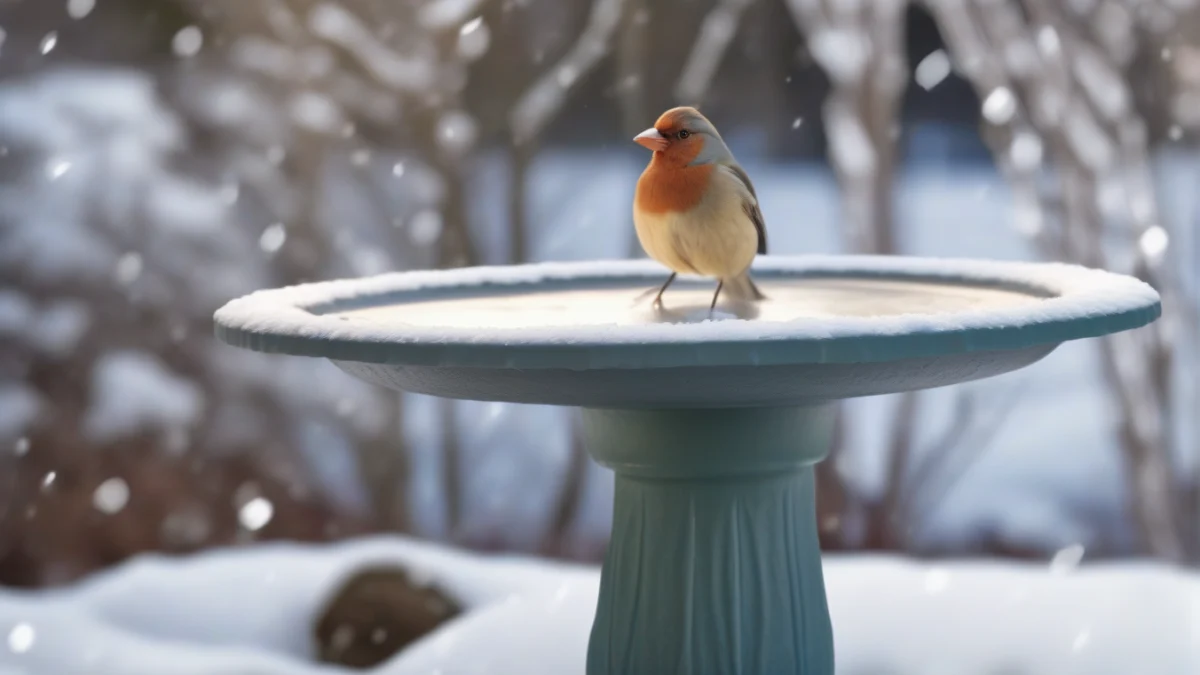
Standing water freezes and can crack the birdbath. Drain the water completely before the first freeze. Scrub the basin with a stiff brush and mild soap to remove algae and debris that can harbor bacteria or damage the surface.
Insulating the birdbath slows heat loss. Wrap the base and bowl with foam insulation or bubble wrap secured with waterproof tape. Alternatively, place the birdbath in a sheltered spot away from wind and direct exposure to cold air.
Heated birdbaths use a built-in heating element to keep water liquid. They plug into a standard outlet and switch on only when temperatures drop near freezing, saving energy while protecting the water.
- Remove WaterEmpty all water from the birdbath to prevent ice damage.
- Clean ThoroughlyScrub the basin with soap and rinse well to remove algae and dirt.
- Inspect for DamageCheck for cracks or chips that could worsen in freezing weather. Repair or replace if needed.
- Insulate or HeatWrap the birdbath with insulation or use a heated birdbath to keep water from freezing.

Common Causes of Birdbath Freezing
Birdbaths freeze mainly because of low outdoor temperatures combined with poor insulation. Water exposed to cold air loses heat quickly, leading to ice formation.
Placement in shaded or windy areas accelerates freezing. Without sunlight to warm the water or shelter from cold gusts, the birdbath stays colder longer and freezes faster.
Materials also affect freezing. Plastic or metal birdbaths conduct heat away rapidly, while stone or ceramic retain warmth longer. Thin or low-quality materials offer little thermal protection and freeze more easily.
Best Practices for Insulating Your Birdbath
Insulating the birdbath for winter means minimizing heat loss and keeping water from freezing. Start by placing insulation materials such as foam or straw around the base. This reduces cold exposure from the ground and slows heat escape.
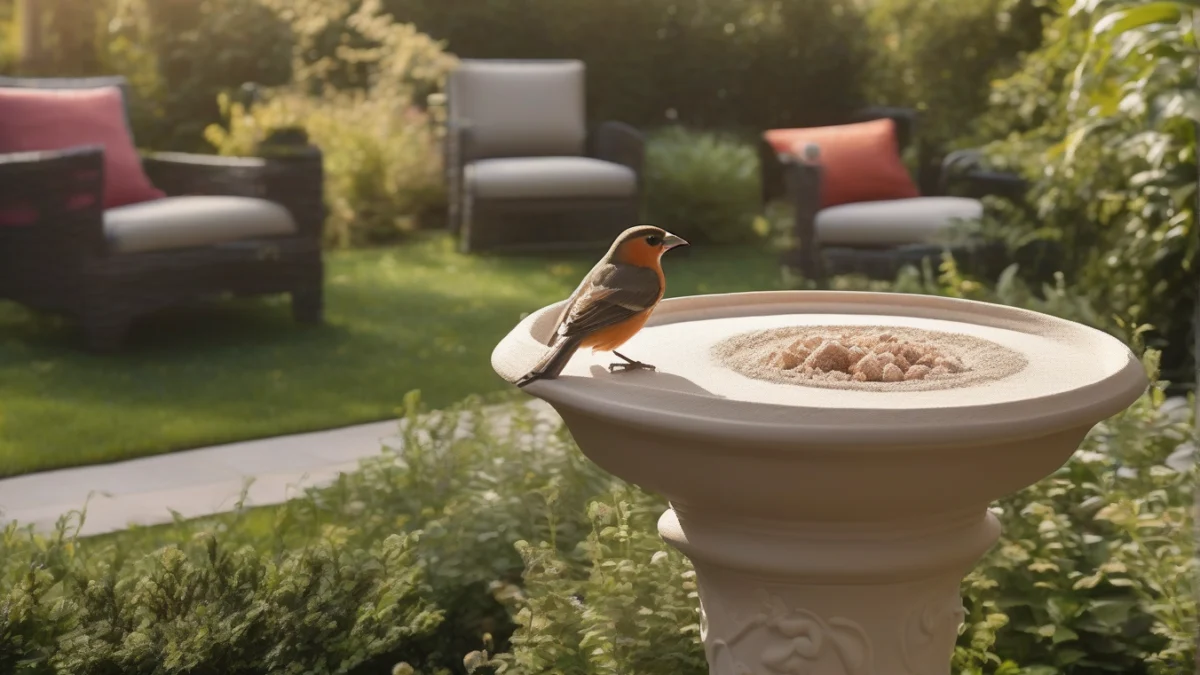
Choose a birdbath with a thicker basin if you are buying new. Thicker materials hold heat longer and resist freezing better than thin ones. Concrete, stone, or heavy ceramic basins are good options.
Adding a thermal blanket over the birdbath at night can also help. Thermal blankets trap heat and prevent frost buildup. Remove the blanket during the day to allow birds access and sunlight to warm the water.
- Insulate the BaseWrap foam or straw around the birdbath pedestal or basin base to reduce heat loss to the ground.
- Select a Thick BasinUse or replace with a birdbath that has a thick, heavy basin to retain warmth longer.
- Use a Thermal BlanketCover the birdbath with a thermal blanket overnight to keep water from freezing, removing it during daylight hours.
When to Replace Your Birdbath
Replace your birdbath if cracks or damage compromise water retention. Water leaks reduce the birdbath’s usefulness and can worsen in freezing weather.
Severe corrosion or wear on any built-in heating elements means the heater may fail. A damaged heater can stop working or cause electrical hazards, so replacement is safer.
Also consider replacement if the basin is too shallow or small for the birds visiting your yard. A deeper, larger basin holds more water and stays warmer longer, improving bird comfort.
Inspect your birdbath regularly during winter. Repair minor chips or cracks early, but plan to replace the whole unit if damage is extensive or heating elements no longer function properly.
For new purchases, look for birdbaths with thicker basins and reliable heating options to reduce the need for frequent replacement.
If you want to keep your birdbath functional through winter without frequent replacements, consider adding a heater designed for birdbaths. See best battery-powered bird bath heaters for options.
How to Keep Birdbath Water Clean During Winter
Keeping birdbath water clean in winter means preventing freezing and stopping algae and debris buildup. The first step is to check the water daily. Replace any frozen or dirty water promptly to keep it fresh and safe for birds.
Use a birdbath de-icer if freezing temperatures are common in your area. These devices keep water liquid by gently warming it, usually powered by electricity or batteries. Choose a model designed for outdoor use that maintains water above freezing without overheating.
- Check Water DailyRemove old water and debris every day to prevent ice and algae growth.
- Use a De-IcerInstall a birdbath heater to keep water from freezing when temperatures drop below 32°F.
- Clean the Birdbath WeeklyScrub the basin with a brush and mild soap to remove algae and dirt. Rinse well to avoid harming birds.