As winter approaches, heating costs can quickly add up, leaving many homeowners looking for ways to save. Fortunately, there are several effective methods to reduce these expenses without sacrificing comfort.
How to Reduce Heating Costs in Winter
To reduce heating costs in winter, seal drafts, improve insulation, and set your thermostat wisely. These steps cut heat loss and lower your energy bills without sacrificing comfort.

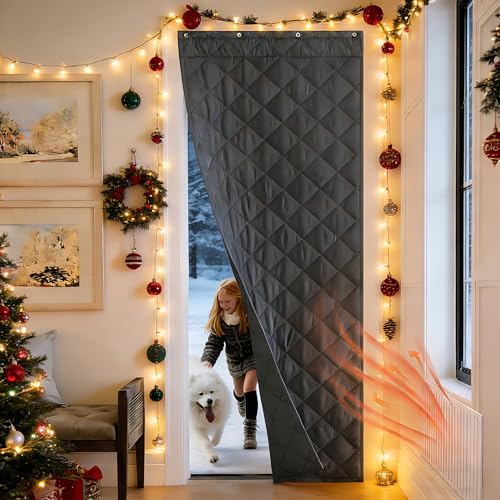
- Identify and Seal DraftsCheck windows, doors, and electrical outlets for cold air leaks. Use weatherstripping or caulk to seal gaps. Attach insulated door curtains over drafty doors to block cold air while allowing easy access.
- Adjust Thermostat SettingsLower your thermostat by 7° to 10° for 8 hours daily to save up to 10% on heating bills. Use programmable thermostats to automate this. Avoid heating unused rooms.
- Improve Insulation in Key AreasAdd insulation to attics, basements, and exterior walls where heat escapes most. Use foam or fiberglass batts in accessible spaces. Insulate water pipes to prevent heat loss and frozen pipes.
| Appliance | Watts | Per hour | Per day (8 h) | Per month (30 days) |
|---|---|---|---|---|
| 1,500 W space heater | 1,500 W | 26¢ | $2.04 | $61.20 |
| Heated blanket | 100 W | 1.7¢ | 14¢ | $4.08 |
Understanding Your Heating Bill
To reduce heating costs in winter, start by understanding your heating bill. It shows how much energy you use and when. Look for the total kilowatt-hours (kWh) or therms used and the rate you pay per unit. This lets you calculate your actual cost for heating.
- Check your billing periodConfirm the dates covered. A longer period means higher usage but not necessarily higher daily costs.
- Identify spikes in usageCompare your current bill to previous months. Look for sudden increases that could mean heat loss or equipment issues.
- Note your energy rateRates can change by season or supplier. A higher rate raises your bill even if usage stays steady.
An energy audit can pinpoint where your home loses heat and wastes energy. Auditors use tools like blower doors and infrared cameras to find leaks and poor insulation. Many local utilities offer free or low-cost audits. Fixing issues found in an audit can reduce your heating bill by 10 to 30 percent.
| Bill Element | What It Means |
|---|---|
| Usage (kWh or therms) | Amount of energy consumed |
| Rate per unit | Cost charged per kWh or therm |
| Total cost | Energy used times rate, plus fees |
| Billing period | Dates the bill covers |
Simple Behavioral Changes to Save Money
To reduce heating costs winter by winter, changing how you use heat matters. No-cost habits can cut your bill significantly without new equipment.
- Set your thermostat lower at nightLowering the thermostat 7 to 10 degrees for 8 hours can save up to 10 percent on heating. Use a programmable or smart thermostat to do this automatically.
- Use curtains to manage heatOpen curtains on south-facing windows during the day to let sunlight warm the room. Close them at night to keep heat from escaping.
- Reverse ceiling fansRunning ceiling fans clockwise at low speed pushes warm air down from the ceiling. This helps distribute heat evenly without extra energy use.
These small steps add up. For example, lowering your thermostat by 5 degrees for 8 hours at a rate of 17 cents per kWh, using a typical 1,500 W heater, costs less than 2 dollars a day. Closing curtains and using ceiling fans require no electricity but improve comfort and reduce heating demand.
| Appliance | Watts | Per hour | Per day (8 h) | Per month (30 days) |
|---|---|---|---|---|
| 1,500 W space heater | 1,500 W | 26¢ | $2.04 | $61.20 |
| Heated blanket | 100 W | 1.7¢ | 14¢ | $4.08 |
Investing in Home Efficiency
Heating cost reduction tips reviews show that long-term savings come from improving your home’s energy efficiency. Regular maintenance of your heating system keeps it running at peak performance. Dirty filters, clogged ducts, and worn parts make your heater work harder and waste energy.

- Schedule Annual Tune-UpsHave a professional inspect and clean your furnace or heat pump each year before winter. This prevents breakdowns and improves efficiency.
- Change or Clean Filters MonthlyA clean filter improves airflow and reduces energy use. Replace disposable filters or wash reusable ones as the manufacturer directs.
Upgrading to a smart thermostat can cut heating costs by 10% to 15%. These devices learn your schedule and adjust temperatures automatically. You avoid overheating empty rooms and keep warmth when you need it.
Insulation improvements in attics and basements reduce heat loss through the building envelope. Heat rises and escapes through poorly insulated attics. Basements can leak cold air and moisture, making upper floors colder and harder to heat.
- Add Attic InsulationCheck your attic insulation level. The U.S. Department of Energy recommends R-38 to R-60 for attics in most climates. Adding insulation to meet this level cuts heat loss significantly.
- Seal and Insulate Basement WallsApply rigid foam insulation to basement walls and seal gaps in rim joists. This blocks cold air and moisture from entering your living space.
| Appliance | Watts | Per hour | Per day (8 h) | Per month (30 days) |
|---|---|---|---|---|
| Using smart thermostat to reduce heating | 1,500 W | 26¢ | $2.04 | $61.20 |
When to Replace Your Heating System
Knowing when to replace your heating system saves money and keeps your home safe. Signs your system is inefficient include rising heating bills, uneven heating, frequent repairs, and strange noises. Older systems often lose efficiency as parts wear out.
Compare the cost of repairs versus replacement. Repair costs that exceed half the price of a new high-efficiency unit usually justify replacement. New models use advanced technology to deliver more heat for less fuel or electricity.
- Calculate Repair CostsAdd current repair estimates and any anticipated fixes for the next two years.
- Get Replacement QuotesRequest prices for high-efficiency furnaces or heat pumps suitable for your home size.
- Compare Estimated Energy BillsNew systems often cut energy use by 20% to 40%, lowering monthly bills significantly.
High-efficiency models come with advanced features like variable-speed blowers, sealed combustion chambers, and smart controls. These reduce fuel consumption and improve comfort. Many qualify for utility rebates, offsetting upfront costs.
Regarding does convection heating reduce humidity: convection heaters warm air that circulates and can lower indoor humidity slightly by increasing air temperature. However, they do not add or remove moisture actively. Consider a separate humidifier if dry air is a concern.