
Many homeowners underestimate the importance of regular heater maintenance. A neglected heating system can lead to inefficiency, increased energy bills, and even safety hazards.
Heater Maintenance Checklist for Homeowners
Regular maintenance keeps your heater efficient and safe. Follow this checklist to avoid breakdowns, lower energy bills, and extend your heater’s life.
Start with safety checks before any maintenance. Turn off power at the breaker or unplug the unit. For fuel-burning heaters, shut off the fuel supply and wait for the heater to cool. Check that smoke and carbon monoxide alarms are working.
- Monthly Heater MaintenanceClean or replace air filters to keep airflow steady and prevent dust buildup. Vacuum around vents and heater exterior to reduce dust and debris. Check thermostat settings and batteries if applicable.
- Quarterly MaintenanceInspect electrical connections for signs of wear or corrosion. Lubricate motors and fans if your heater’s manual recommends it. Test safety features like tip-over and overheat switches on portable heaters.
- Annual MaintenanceHave a professional service fuel-burning heaters to clean burners, check heat exchangers, and inspect venting. For electric heaters, check all wiring, replace worn parts, and clean internal components. Inspect ductwork for leaks and seal them.
Call a professional if you notice unusual noises, persistent odors, inconsistent heat, or if your heater frequently trips breakers or safety switches. Also call for annual service on fuel-burning models to prevent carbon monoxide risks.
Monthly heater maintenance is the foundation of a trouble-free heating season. Scheduling quarterly and annual tasks keeps your system running safely and efficiently. Skipping these steps can cause costly repairs or unsafe conditions.
Safety Precautions Before Maintenance
Before starting any heater maintenance, safety is the top priority. Always unplug electric heaters or switch off the circuit breaker to cut power. For gas heaters, turn off the gas supply valve to prevent leaks or accidental ignition.
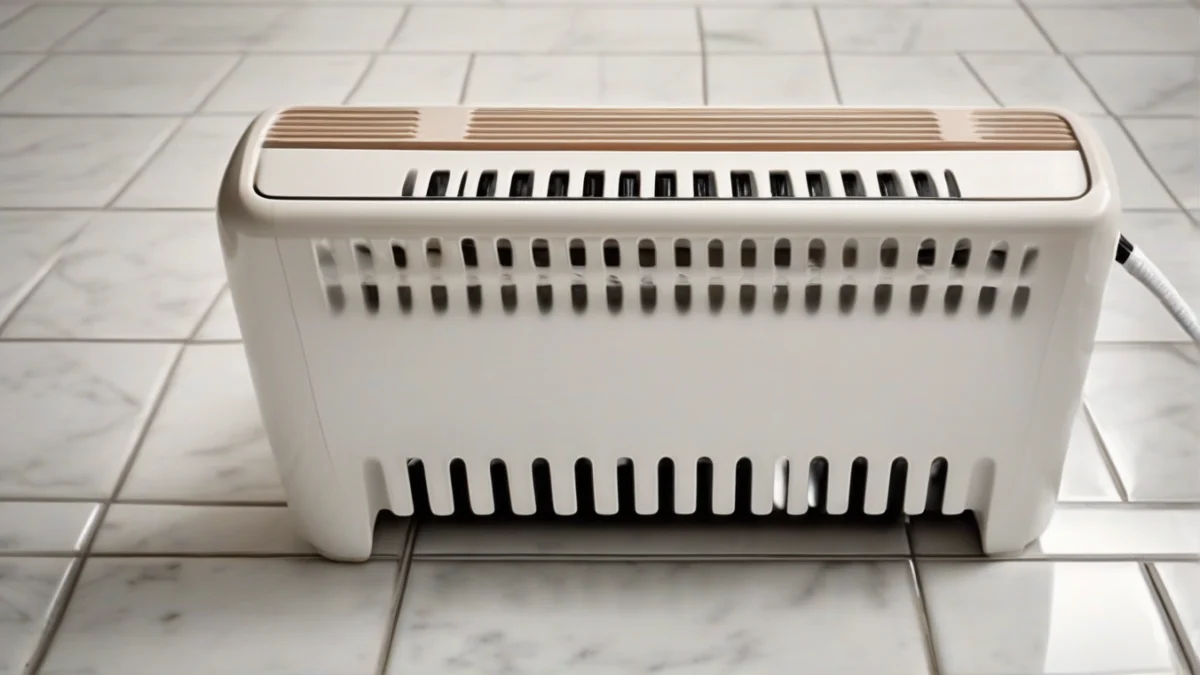
Check the heater’s manual for specific safety instructions. Some repairs or inspections require special tools or knowledge. If you smell gas, see rust on burner parts, or notice damaged wiring, stop immediately and call a licensed professional.
Monthly and Quarterly Maintenance Tasks
Monthly heater maintenance keeps your system running efficiently and cuts energy waste. Start by checking and replacing or cleaning filters. Dirty filters reduce airflow, forcing the heater to work harder and raising electric bills.
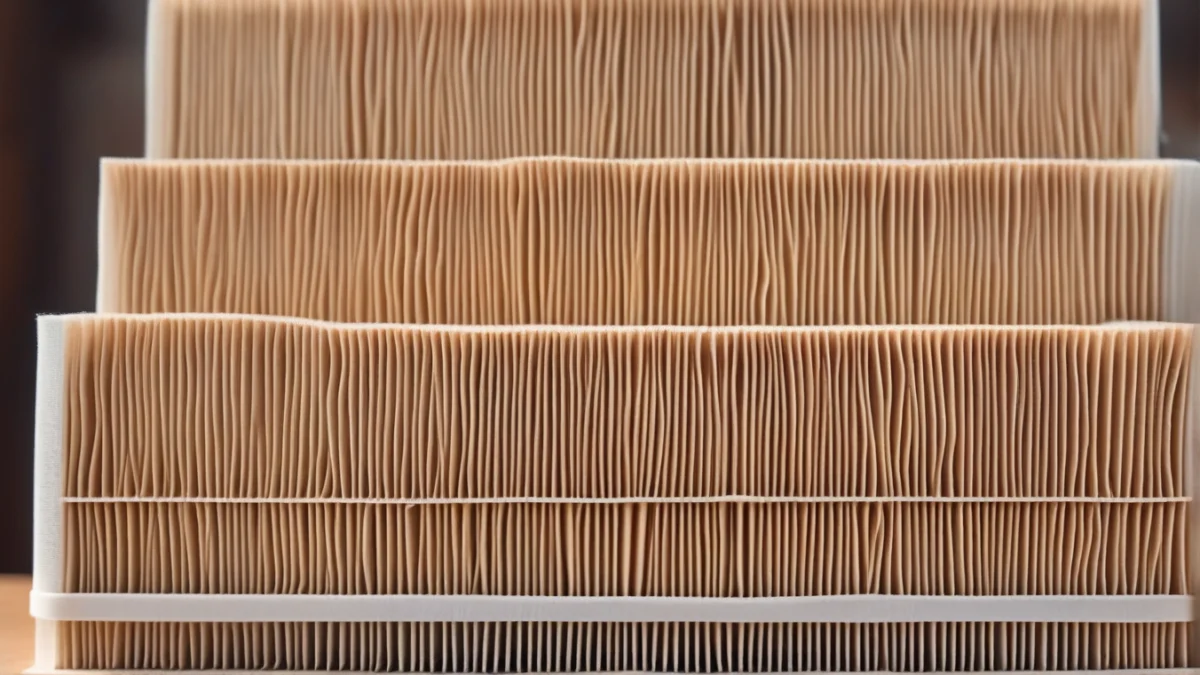
- Check FiltersRemove the filter and inspect it. If it looks clogged or dusty, replace it or wash it according to the manufacturer’s instructions. Do this every month during the heating season.
- Clean Heater SurfacesWipe down exterior surfaces and vents with a damp cloth. Dust buildup can block airflow and cause overheating. Avoid spraying water or cleaners inside the heater.
- Inspect Electrical Cords and PlugsLook for cracks, fraying, or discoloration. Damaged cords are fire hazards. Replace the cord or stop using the heater immediately if you find damage.
- Test Safety FeaturesTurn the heater on and check that tip-over and overheat shut-offs work. If the heater does not shut off when tipped or overheated, have it serviced or replaced.
Quarterly tasks include a more thorough inspection and cleaning. Remove any dust or debris inside the heater if the manual allows. Check vents and ducts for blockages and clean as needed to maintain good airflow.
Inspect pilot lights or ignition systems on gas heaters, but only if you are confident and the manual permits. Otherwise, schedule a professional inspection. Keep the area around the heater clear of flammable objects to reduce fire risk.
Regular monthly and quarterly maintenance prevents breakdowns and extends heater life. If you notice unusual noises, smells, or performance drops, check the heater sooner or call a professional.
Signs Your Heater Needs Professional Maintenance
Call a professional if your heater shows signs of failure or unsafe operation. Early service prevents costly breakdowns and keeps your home safe.
- Unusual NoisesGrinding, squealing, or banging sounds can indicate motor or blower problems. These require professional inspection to avoid further damage.
- Inconsistent HeatIf some rooms stay cold or the heater cycles on and off rapidly, the thermostat or heating elements may be failing.
- Yellow or Flickering FlameA healthy gas furnace flame is steady blue. Yellow or flickering flames suggest incomplete combustion, which risks carbon monoxide leaks.
- Frequent CyclingShort cycling increases wear and energy use. It often signals clogged filters, thermostat issues, or overheating.
- Odors or DustBurning smells or excessive dust blowing from vents can mean wiring problems or dirty components needing professional cleaning.
- High Energy BillsA sudden rise in heating costs without colder weather points to reduced efficiency from worn parts or poor maintenance.
Seasonal Maintenance Reminders
Seasonal maintenance keeps your heater reliable and efficient year-round. Plan tasks for spring, summer, fall, and winter to avoid surprises.
- SpringTurn off the heater and clean or replace the air filter. Inspect vents and registers for blockages or damage.
- SummerSchedule a professional inspection if your heater shares a system with your air conditioner. Check the thermostat batteries and clean around the unit.
- FallReplace or clean filters again. Test the heater before cold weather arrives to catch issues early. Clean around the heater and check for debris or nests.
- WinterEnsure the heater’s safety features like tip-over and overheat shut-offs work. Keep 3 feet of clearance around the heater. Monitor for unusual noises or odors during use.
Frequently Asked Questions
What should I do if my heater is making strange noises?
How often should I change my heater filter?
What are the signs of a gas leak in my heater?
How can I improve my heater’s energy efficiency?
When should I replace my heater instead of repairing it?
What maintenance tasks can I do myself?
If that sounds like your room, read up on danger signs of portable heaters next.
For the detail, see our notes on staying safe with heaters. Readers in this position usually ask about when to flush heater core as well.
