
As temperatures drop, heaters become essential for comfort. However, improper use can turn these helpful devices into hazards. Understanding the common mistakes in heater safety is crucial to prevent accidents and ensure a warm, safe home this winter.
7 Common Heater Safety Mistakes to Avoid This Winter
Space heaters must be placed at least three feet from flammable materials and never on unstable surfaces. Avoid extension cords and never leave heaters unattended, especially overnight. These rules prevent fires and overheating.
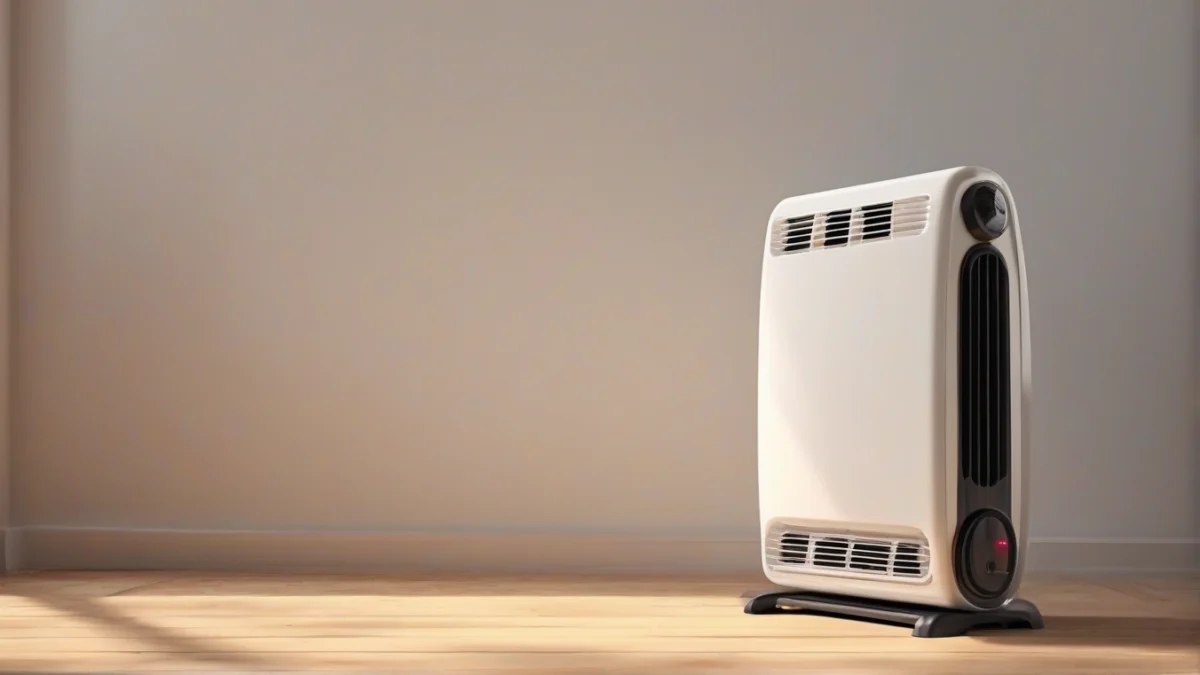
Heaters help reduce condensation by warming air and surfaces, which lowers moisture buildup. To avoid a fan heater smelling, run it regularly on a clean setting and keep filters clean. For seniors, place heaters where they won’t trip over cords and where controls are easy to reach.
Milk house heaters are safe if designed for indoor use and properly vented but never use outdoor-only models indoors due to carbon monoxide risks. Choosing the right heater size for the room prevents inefficiency and overheating, which can cause safety hazards.
- Keep a 3-Foot Safety ZonePlace heaters at least three feet away from curtains, furniture, bedding, and papers to prevent fires.
- Avoid Extension CordsPlug heaters directly into a wall outlet. Extension cords can overheat and cause fires.
- Never Leave Heaters UnattendedTurn off heaters when leaving the room or going to sleep to reduce fire risk.
- Use Stable SurfacesSet heaters on flat, stable floors or tables to prevent tipping and accidental fires.
- Choose the Right HeaterMatch heater size and type to the room and environment, using indoor-rated models only inside.
Safe heater placement for seniors means avoiding high-traffic or cluttered areas. Controls should be within easy reach, and cords placed to prevent tripping. Keep the heater away from beds and chairs where fabric can touch it.
Fan heaters can develop a burning smell if dust accumulates on heating elements or if they are run after long storage. Regular cleaning and running the fan on low heat help avoid odors.
Milk house heaters designed for indoor use usually have safety features and proper ventilation instructions. Confirm the model is rated for indoor spaces and use carbon monoxide detectors when running fuel-burning heaters.
Understanding Carbon Monoxide Risks with Fuel-Based Heaters
Fuel-burning heaters produce heat by burning propane, kerosene, natural gas or oil. This combustion releases carbon monoxide (CO), a colorless, odorless gas that can be deadly in high concentrations.
Milk house heaters, designed for agricultural use, burn fuel similarly to other indoor heaters. Their safety indoors depends on proper ventilation and CO detection, not on the heater type itself.
Ventilation dilutes and removes CO from indoor air. Never block vents or windows when using fuel-based heaters indoors. Keep a window slightly open or use an exhaust fan to maintain airflow.
Install carbon monoxide detectors on every floor and near sleeping areas. Test detectors monthly and replace batteries yearly or as needed. A working CO alarm is essential for early warning.
- Recognize CO Poisoning SymptomsSymptoms include headache, dizziness, nausea, confusion, and weakness. These often worsen with continued exposure.
- Respond ImmediatelyIf you suspect CO exposure, leave the building immediately. Call emergency services from outside and do not re-enter until cleared.
- Maintain HeatersHave fuel-burning heaters inspected and serviced annually by a qualified technician. Check chimneys and vents for blockages to ensure safe exhaust.
Electrical Safety: Avoiding Overloads and Shock Hazards
Most US homes have 15- or 20-amp circuits at 120 volts. A 1,500-watt space heater draws about 12.5 amps, close to the safe limit for a 15-amp circuit.
Space heaters must plug directly into a wall outlet. Extension cords can overheat, leading to fire hazards regardless of cord thickness or rating.
- Check Circuit CapacityKnow which outlets share a circuit breaker. Avoid running multiple heaters or heavy appliances on the same circuit.
- Use Dedicated OutletsPlug heaters into outlets not shared with other high-draw devices like microwaves or refrigerators.
- Inspect Heater CordsLook for frays, cracks or damage before each use. Replace damaged cords rather than repairing them.
- Schedule Regular MaintenanceInspect and clean heaters yearly. Look for dust buildup and check safety features like overheat and tip-over protection.
Heater Maintenance Tips for Safe Operation
Space heaters and fuel-burning heaters need regular maintenance to run safely and efficiently. Inspect and clean your heater before the heating season starts, then check it monthly during use. Annual inspections by a licensed professional are essential for fuel-burning models to catch leaks, cracks, or worn parts that can cause fire or carbon monoxide risks.
- Unplug and Cool DownAlways unplug your heater and let it cool completely before performing maintenance.
- Clean Air Vents and FiltersUse a vacuum or soft brush to remove dust and debris from vents and air filters. Dirty filters reduce airflow and cause overheating.
- Check Power Cords and PlugsLook for cracks, frays, or discoloration on cords and plugs. Replace any damaged parts immediately to avoid electrical hazards.
- Test Safety FeaturesVerify that overheat protection, tip-over switches, and auto shut-off timers work according to the manual.
- Inspect Fuel Lines and BurnersFor fuel heaters, check for leaks, corrosion, or soot buildup around burners and fuel lines. Contact a licensed technician if you find issues.
Safe Heater Placement and Essential Gear
Proper placement of heaters reduces fire risk and improves heating efficiency. Keep heaters at least three feet from curtains, furniture, bedding, and papers. Place portable heaters on flat, stable surfaces to prevent tipping. In bedrooms for seniors, position heaters where they are visible and easily reachable but away from beds and walkways to avoid trips and burns.
| Room Type | Placement Tips |
|---|---|
| Living Rooms | Away from furniture, curtains, and high-traffic areas |
| Bedrooms | Near a clear wall space, not under windows or near bedding |
| Bathrooms | Use heaters rated for bathroom use, placed away from water sources |
| Kitchens | Keep away from cooking appliances and moisture |
| Basements | Elevate off damp floors, avoid cluttered corners |
Smoke alarms and carbon monoxide detectors are critical safety gear when using any heater. Install smoke alarms on every floor and outside sleeping areas. Place carbon monoxide detectors near fuel-burning heaters and bedrooms. Test both alarms monthly and replace batteries yearly or as needed.
When using heaters around children and pets, maintain a clear safety zone. Use barriers or gates to prevent accidental contact. Never leave heaters unattended in rooms where children or pets sleep. For overnight use, select heaters with automatic shut-off features triggered by tipping or overheating, and keep the area well-ventilated and free of combustible materials.
Balancing Heater Use with Energy Efficiency
Balancing heater use with energy efficiency starts by understanding how much power different heaters consume. Electric space heaters usually run at 1,500 watts, the maximum for standard US outlets. Running one for eight hours a day at 17 cents per kWh costs about $2 per day.
| Heater Type | Typical Power (Watts) | Daily Cost at 8 Hours, $0.17/kWh |
|---|---|---|
| Electric space heater | 1,500 | 0.12 |
| Heated blanket | 100 | 0.008 |
| Oil-filled radiator | 1,200 | 0.10 |
Using a heated blanket instead of heating the whole room can cut costs sharply. Heated blankets often use under 100 watts and have auto shut-off timers for safety. They are ideal for personal warmth without raising the room temperature.
Oil-filled radiators heat slower but retain warmth after turning off, saving energy over time. They usually run at 1,200 watts and have built-in overheat protection. These heaters suit bedrooms where steady, quiet heat is needed for hours.
Infrared heaters warm objects and people directly, not the air, making them efficient for spot heating. They typically use 900 to 1,500 watts and reach full heat instantly. Infrared models often include tip-over and overheat shut-off features.
To balance cost and comfort, use heaters with thermostats and timers. Set a reasonable temperature and avoid overheating rooms. Turn heaters off when leaving the room or sleeping unless the model is certified for unattended use with safety features.
- Choose the right heaterPick a model sized for your room and heating needs, considering wattage and safety features like overheat protection.
- Use thermostats and timersSet the heater to maintain a comfortable temperature without running continuously.
- Limit heater useFocus heat where you need it, such as using a heated blanket or infrared heater for spot warmth.
- Turn heaters off when unattendedNever leave a heater running unattended unless it is designed for safe overnight use.
Frequently Asked Questions
How can I prevent fires caused by portable heaters?
What are the best practices for carbon monoxide detector placement?
Can certain heater types be safer than others in small homes?
Are there specific certifications to look for when buying heaters?
What is the best way to prevent condensation while using heaters?
How do airflow restrictions impact heater safety and efficiency?
If that sounds like your room, read up on recognizing heater hazards next.
We go through why heater trips breaker step by step in a separate article. If that sounds like your room, read up on tips for heater care next.
