You’re standing in a cold bedroom, waiting for warmth. The chill is stubborn. You need a heater that doesn’t just work, but works fast. The right choice can transform a frigid room into a cozy retreat in minutes, not hours.
This guide cuts through the noise. We’ll rank heater types by their warm-up speed, explain the science behind quick heat, and give you practical tips to maximize performance. For a top-rated option that excels in rapid heating, many experts point to the DREO Space Heater. Its combination of a powerful ceramic heating element and a high-velocity fan makes it a strong contender for fastest heater status in many scenarios.

What Makes a Heater ‘Fast’? It’s All About Delivery
Speed isn’t just about wattage. It’s about how a heater delivers warmth to you and your space. Two main concepts define this: instantaneous heat and thermal mass.
Heaters providing instantaneous heat warm objects and people directly, like sunlight. You feel it immediately. Those with high thermal mass take longer to get hot themselves but then release heat steadily over time. For a quick warm up, you want the former.
Your room’s condition is the other half of the equation. A cold bedroom with poor insulation or drafts will fight any heater. We’ll cover specific hacks for draughty rooms later.
Heater Types Ranked by Warm-Up Speed
From fastest to slowest, heres how common portable heater technologies stack up for rapid heating.
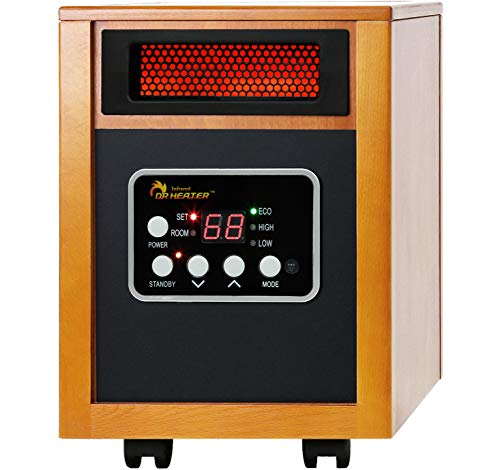
1. Infrared / Radiant Heaters (The Instant Winner)
These are the undisputed champions of instant heat. They emit infrared rays that warm solid objectsyour skin, furniture, the floordirectly. No waiting for the air to heat up first.
- How it works: Provides direct radiant heat, similar to the sun.
- Heat-up time: Literally instantaneous. You feel warmth the second it’s turned on.
- Best for: Spot heating a person or a specific area. Perfect if you get into a cold bed and need immediate personal warmth.
- Consideration: Heat is directional and doesn’t circulate air. The area behind the heater remains cold.
2. Fan Heaters & Ceramic Heaters (The Rapid Circulators)
This category is your best bet for quickly raising the overall air temperature in a room. A fan forces air over a hot electric element (often a ceramic plate) and blows the warm air into the space. Brands like Pro Breeze excel here.
- How it works: Heats an element and uses a fan for forced-air convection.
- Heat-up time: Very fast, usually within 30-60 seconds. You’ll feel warm air blowing almost immediately.
- Best for: The classic fastest way to heat a cold bedroom when you need the entire room’s air temperature to rise quickly.
- Consideration: Can be noisy due to the fan. The heat stops immediately when turned off.
3. Oil-Filled Radiators (The Steady, Slower Burn)
These heaters, popularized by brands like De’Longhi and Dimplex, work on high thermal mass. Electricity heats sealed oil, which then slowly radiates heat into the room.
- How it works: Heats internal oil, which then radiates warmth silently.
- Heat-up time: Slowest to reach full output. Can take 15-30 minutes to fully warm up the oil and radiate effectively.
- Best for: Maintaining a constant, even heat over many hours. They are excellent, energy-efficient bedroom heater options for all-night use but are not designed for quick heat.
- Consideration: Once hot, they provide lovely, silent, sustained warmth. But they are not the answer to “what type of heater heats a cold room the fastest.”
| Heater Type | Warm-Up Speed | Best For | Heat Delivery |
|---|---|---|---|
| Infrared / Radiant | Instantaneous | Spot heating, personal warmth | Direct radiant heat |
| Fan / Ceramic Heater | Very Fast (30-60 sec) | Raising whole-room air temp quickly | Forced-air convection |
| Oil-Filled Radiator | Slow (15-30 min) | Silent, sustained all-night heat | Radiant convection |
Key Factors Beyond Heater Type
The heater is only part of the system. Your room’s characteristics dramatically impact performance.
Room Size & Insulation: The Multiplier Effect
Match the heater’s wattage to your room. A rough guide is 10 watts per square foot. A 1500W heater suits a 150 sq ft room. Putting a small heater in a large, drafty room is a losing battle for fast acting warmth.
Insulation is critical. A well-insulated bedroom will hold heat from any heater far more effectively. For specific advice on challenging spaces, our guide on the best heater type for cold damp bedrooms dives deeper into moisture and insulation issues.
A Practical Hack: Use a Fan with a Convection Heater
Here’s a missing entity from most discussions. If you’re using an oil-filled radiator or any convection heater (one that warms the air), place a standard oscillating fan on low nearby. It doesn’t blow on you. Instead, it gently circulates the warm air that rises to the ceiling back down into the living space. This simple trick can cut warm-up times significantly and even out room temperatures.
Safety First: Non-Negotiable Tips for Fast, Safe Heating
Speed must never compromise safety. Every second counts here, too.
- Look for essential features: A safety cut-off switch (tip-over and overheat protection) is mandatory. Thermostat control is crucial for efficiency once the room is warm.
- Keep it clear: Maintain a 3-foot clearance from anything flammablecurtains, bedding, furniture.
- Plug directly into a wall outlet. Never use an extension cord or power strip with a high-wattage space heater.
- Turn it off when unattended. This is the golden rule for portable electric heater use.
Making Your Choice: Balancing Speed, Efficiency & Cost
So, which portable heater provides instant heat for your needs? Your priority decides.
- Pure Speed & Instant Warmth: Choose an Infrared/Radiant heater. You’ll feel it now.
- Fast Whole-Room Warming: Choose a Ceramic Fan Heater. It’s the best heater for quickly warming a bedroom overall.
- Overnight Efficiency & Silence: Choose an Oil-Filled Radiator. Plan to turn it on well before bedtime.
For very small sleeping areas, your needs might shift further. You can explore specialized options in our article on which heater works best for tiny bedrooms.
Remember, the fastest heater to warm you up personally (infrared) is not always the fastest to warm the entire room’s air (ceramic fan). Consider how you use the space. For comprehensive, independent test data and comparisons across a wider range of models, the consumer champion Which? magazine’s electric heater reviews are an invaluable resource.
Your Action Plan for a Warmer Bedroom
Start by identifying your true need. Is it instant personal comfort or raising the room’s ambient temperature? Match the heater technology to that need. Always respect the wattage guidelines for your room size.
Prep your space. Close doors, use draft excluders, and consider that fan hack to circulate warm air. Invest in a model with robust safety featuresit’s non-negotiable. The goal is quick, safe, and efficient warmth.
You don’t have to shiver through another winter evening. With the right electric heater and a few smart practices, you can banish the chill from your cold bedroom faster than you think.