
Waking up in a cold bedroom can be uncomfortable and disruptive to your sleep. Traditional heating methods often take time to warm up a room, leaving you shivering while waiting for the temperature to rise. Fortunately, there are several heating options specifically designed to deliver quick warmth effectively.
Fastest Heating Options for a Cold Bedroom
The fastest heating method to warm a cold bedroom is a 1,500-watt electric heater using PTC ceramic or infrared technology, which delivers heat within seconds. For a standard bedroom of about 150 square feet, 1,500 watts is the maximum power a typical 120-volt outlet can safely provide, making it ideal for quick and effective heating.
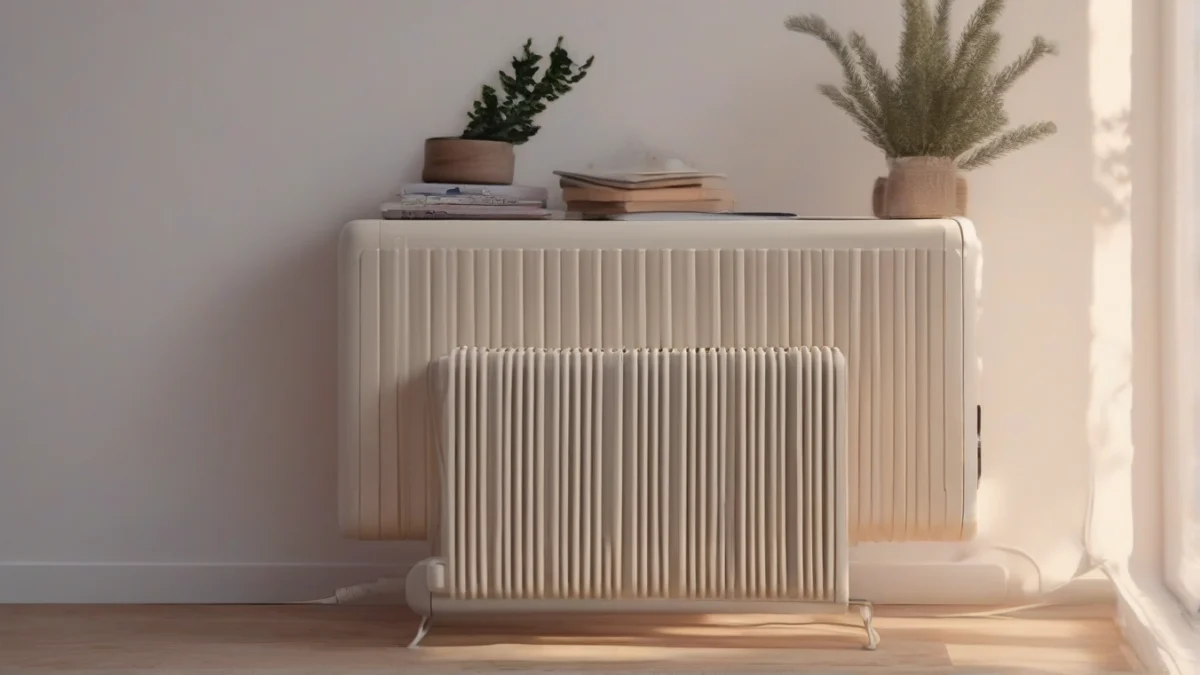
PTC ceramic heaters use a positive temperature coefficient element that heats up quickly and maintains a steady temperature without overheating. Infrared heaters warm objects and people directly, not the air, so you feel heat almost immediately after turning them on. Both types outperform traditional convection heaters in warm-up speed.
A 1,500-watt heater can warm a standard bedroom in minutes, depending on insulation and draft sealing. Features like built-in thermostats, oscillation, and eco modes improve comfort and energy efficiency. Oscillation spreads heat evenly, while thermostats prevent wasteful overheating.
| Heater Type | Warm-Up Time | Heat Delivery | Typical Power | Best Use |
|---|---|---|---|---|
| PTC Ceramic | 30 seconds | Heats air quickly with a fan | 1,000–1,500 W | Bedrooms up to 150 sq ft |
| Infrared | Seconds | Direct radiant heat to objects and people | 1,000–1,500 W | Small to medium rooms, spot heating |
| Oil-Filled Radiator | 10–15 minutes | Radiates heat from warmed oil | 1,000–1,500 W | Long-term heating, bedrooms at night |
| Convection Heater | 5–10 minutes | Warms air that circulates naturally | 1,000–1,500 W | Continuous heating, draft-free rooms |
Power needs depend on room size and insulation. For a standard 150-square-foot bedroom with average insulation, 1,500 watts provides fast heat. Larger rooms or poor insulation require more power or multiple heaters. Draft sealing and thermal curtains reduce heat loss, allowing the heater to warm the space quicker and use less energy.
The best features for bedroom heaters include tip-over protection, overheat protection, a thermostat for maintaining temperature, a timer to avoid running all night, and quiet operation. A wide oscillation angle helps spread heat evenly, avoiding cold spots.
- Plug the Heater Directly into a Wall OutletAvoid extension cords or power strips to prevent electrical hazards and ensure full power delivery.
- Set the Thermostat to Your Desired TemperatureThis maintains warmth without overheating and saves energy.
- Position the Heater Near Where You Spend Most TimeKeep at least 3 feet clearance from furniture and bedding for safety.
- Use Oscillation if AvailableOscillation spreads heat across the room quickly and evenly.
- Seal Drafts and Use Thermal CurtainsReducing cold air infiltration helps the heater warm the bedroom faster and more efficiently.

Understanding Heater Technologies
Ceramic and infrared heaters deliver heat quickly and efficiently, making them top choices for fast bedroom warmth. Ceramic heaters use a positive temperature coefficient (PTC) element that heats up rapidly and maintains a steady temperature without overheating. Infrared heaters warm objects and people directly rather than heating the air, providing near-instant comfort.
Fan heaters push warm air around the room using a fan over a heating element. They heat the air quickly but can be noisy and create uneven heat distribution. Convection heaters warm the air by circulating it naturally without a fan, which is quieter but slower to heat a room.
Oil-filled radiators heat oil inside the unit, which retains warmth and radiates heat for longer after the heater turns off. They are slower to heat up but provide steady, gentle warmth, ideal for all-night use in bedrooms.
| Heater Type | How It Heats | Ideal Use | Energy Efficiency |
|---|---|---|---|
| Ceramic | Rapid heating of element with fan for fast air warmth | Quick heat in small to medium bedrooms | High efficiency with PTC technology |
| Infrared | Radiates heat directly to people and objects | Spot heating and quick comfort | Efficient for immediate warmth |
| Fan Heater | Heats air and circulates it | Short-term heating; noisy environments | Moderate efficiency |
| Convection | Warms air by natural circulation | Quiet, steady heat for longer periods | Moderate efficiency |
| Oil-Filled Radiator | Heats oil that radiates warmth after off | Long-term, gentle heat at night | Lower initial heat-up, steady efficiency |
Electric blankets and heated mattress pads use low wattage (around 100 W) to warm your body directly with minimal heat loss. They are more energy efficient for overnight use than space heaters because they heat only you, not the whole room.
For bedroom heaters, look for models with tip-over and overheat protection, multiple heat settings, and a thermostat to maintain temperature without wasting energy. Quiet operation and a compact size also make a heater more suitable for bedrooms.

Safety Considerations for Overnight Heater Use
Electric heaters can be safe for overnight use in bedrooms if they have built-in safety features like tip-over shutoff and overheat protection. However, most manufacturers recommend turning them off before sleeping to reduce fire risk.
Electric blankets and heated mattress pads are safer options for overnight warmth because they use lower wattage and heat only your body. Always follow the manufacturer’s instructions: do not fold, bunch, or use damaged cords, and replace blankets that show wear.
- Keep Safe DistancePlace heaters at least 3 feet away from curtains, bedding, furniture, and anything combustible.
- Plug Directly Into Wall OutletNever use extension cords or power strips with space heaters to avoid overheating and electrical fires.
- Use Safety FeaturesChoose heaters with tip-over and overheat protection and a thermostat to avoid overheating.
- Turn Off When UnattendedDo not leave space heaters running unattended or while sleeping unless the model is specifically designed and certified for that use.
Maintain smoke and carbon monoxide alarms in bedrooms and adjacent areas. Regularly inspect cords and plugs for damage and replace damaged heaters or blankets promptly.
Using electric blankets and mattress pads with automatic shut-off timers and temperature controls reduces risk during overnight use. Avoid using pins or heavy bedding that can damage heating elements.
If you rely on a fuel-burning heater for emergency heating, open a window slightly and keep a working carbon monoxide alarm nearby. Most fuel-burning heaters are designed for outdoor use and pose serious indoor risks.
Calculating Heating Costs and Efficiency
Heating costs depend mainly on wattage, usage hours, and electricity rates. A 1,500-watt heater running 8 hours a day uses 12 kilowatt-hours (kWh), which at $0.17 per kWh costs about $2.04 daily.
Sealing drafts can reduce heating costs significantly. A well-sealed bedroom can lower heat loss by 20% to 30%, cutting energy bills proportionally. Draft stoppers on doors, window insulation film, and weatherstripping around frames are effective methods.
Floor insulation further improves efficiency. Rigid foam boards or mineral wool under flooring reduce heat loss through the floor. Carpet with a thick pad also helps retain warmth in bedrooms with uninsulated subfloors.
| Heating Method | Typical Power (Watts) | Energy Use (kWh per 8 hrs) | Approximate Cost (8 hrs at $0.17/kWh) |
|---|---|---|---|
| 1,500 W Electric Heater | 1,500 | 12 | 0.204 |
| Electric Blanket | 100 | 0.8 | 0.014 |
| Infrared Heater | 1,200 | 9.6 | 0.163 |
Electric blankets and heated mattress pads use far less power than space heaters, making them cheaper for overnight warmth. However, they only heat the bed, not the whole room.
Draft sealing and insulation reduce the workload on heaters. Less heat escapes, so heaters run less and cost less to operate. This improves overall heating efficiency beyond just the wattage rating.
Maximizing Heater Effectiveness and Bedroom Comfort
Place heaters near where you spend time but keep them at least 3 feet away from flammable items and pathways for safety. Avoid blocking heater airflow with furniture or curtains to maintain efficiency.

Balancing heater placement means positioning units to warm occupants quickly while respecting safety clearances and preventing trip hazards. Oscillating heaters spread heat more evenly without moving the unit.
- Choose a central or corner locationPosition the heater where it can radiate heat across the room or directly to your usual seating or sleeping area.
- Maintain clearanceKeep at least 3 feet of space around the heater free from objects or drapes to prevent fire risk.
- Avoid doors and ventsDo not place heaters directly in front of doors or air vents where heat escapes or airflow disrupts warmth distribution.
Combining heating methods boosts comfort and efficiency. Use a space heater for quick room heat and an electric blanket for overnight warmth. Ceiling fans running on low clockwise speed push warm air down.
Underfloor heating can be retrofitted in existing bedrooms but requires lifting flooring and professional installation. Electric mats or water-based systems installed beneath new flooring offer consistent radiant heat.
Underfloor heating works best with proper insulation beneath the floor to prevent heat loss downward. It provides even warmth and frees wall space from heaters.
Using multiple heat sources and controlling them with thermostats or timers avoids overheating and reduces energy waste. Adjust settings according to occupancy and outdoor temperature for best results.
For quiet operation and safety overnight, prefer electric blankets or heated mattress pads over space heaters. If a heater runs while you sleep, it must have tip-over and overheat protection and be UL or ETL listed.
Good heater placement and complementary heating methods improve comfort, reduce energy consumption, and maintain safe conditions in cold bedrooms.
See our guide on fastest heaters for a cold bedroom for specific product recommendations that suit different placement and comfort needs.
Impact of Noise Levels on Sleep Quality
Noise from a bedroom heater can disrupt sleep by causing frequent awakenings or lighter sleep stages. Even low hums or fan sounds may prevent deep rest, especially for sensitive sleepers. Choosing a heater with minimal noise output supports uninterrupted sleep and overall comfort.
Different heater types produce varying noise levels. Ceramic heaters with PTC elements are generally quiet because they rely on convection and have no noisy fans. Infrared heaters also operate silently as they emit radiant heat without air movement. In contrast, fan-forced convection heaters create a noticeable breeze noise that can be distracting.
| Heater Type | Typical Noise Level | Noise Source |
|---|---|---|
| PTC Ceramic Heater | Under 40 dB | Convection, minimal fan or no fan |
| Infrared Heater | Under 35 dB | Radiant heat, no fan |
| Fan-Forced Convection Heater | 45–55 dB | Electric fan blowing air |
| Oil-Filled Radiator | Under 40 dB | Warm oil circulation, no fan |
For quiet heating, select a PTC ceramic or infrared model without a fan. Oil-filled radiators also offer nearly silent operation but warm more slowly. Avoid fan-forced heaters if you are sensitive to background noise or want to maintain a calm sleeping environment.
Features that reduce noise impact include oscillation modes that distribute heat without a constant directional airflow and ECO or low fan speed settings. Some models include noise reduction technology or insulated housings to muffle sound. These options help maintain warmth without disturbing sleep.
- Choose Quiet Heater TypesPick PTC ceramic, infrared, or oil-filled radiator heaters for silent operation.
- Check Noise RatingsLook for decibel (dB) levels under 40 dB for the quietest models.
- Use Adjustable Fan SpeedsIf using a fan heater, select models with multiple fan speeds and run on low at night.
- Position Heater StrategicallyPlace the heater away from the bed and ears to reduce perceived noise.
Frequently Asked Questions
What is the fastest heating method to warm a cold bedroom?
How much power is needed to heat a standard bedroom quickly?
Are electric heaters safe to run overnight in bedrooms?
What features make a space heater ideal for bedroom use?
How effective are electric blankets compared to space heaters?
Can underfloor heating be retrofitted in existing bedrooms?
If that sounds like your room, read up on evaluating oil heater efficiency next.
Before you buy anything, it is worth looking at do oil radiators provide constant heat? how they work.
