
You want steady background heat overnight or all day without the heater cycling on and off constantly. The question isn’t just about heat output—it’s about which technology holds and releases warmth after the heating element stops drawing power.
The answer depends on thermal mass, the type of heat produced, and how the thermostat manages low-power operation. Some heaters are built for quick bursts; others excel at sustained, even warmth that lingers.
Which Heater Technology Holds Heat Longest on Low Settings
Oil-filled radiators stay warmest longest on a low setting because the diathermic oil inside absorbs heat slowly and releases it gradually, continuing to radiate warmth for 30 to 90 minutes after the heating element cycles off. Ceramic heaters come second, retaining moderate element heat and relying on precise thermostats to maintain temperature efficiently at low wattage. Infrared heaters deliver radiant warmth instantly but stop the moment they turn off, though objects and walls they’ve heated continue releasing stored warmth for a short time.
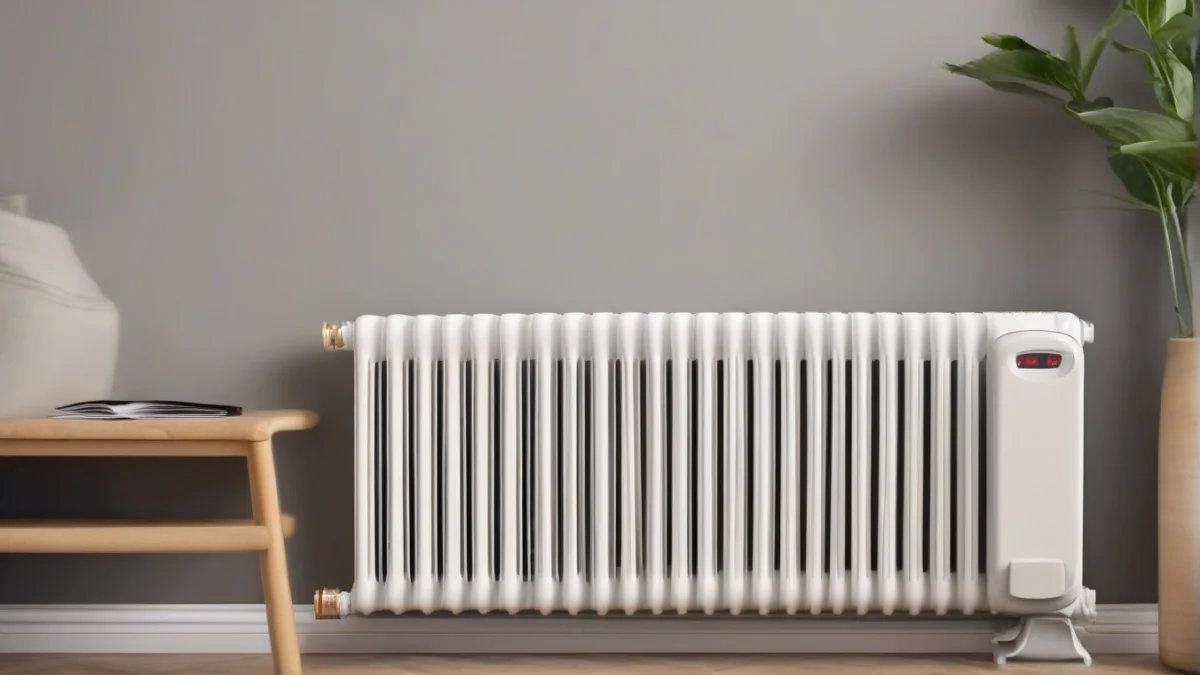
The difference comes down to thermal mass. Oil-filled radiators contain one to two liters of oil that acts as a thermal battery, storing energy and radiating it long after the element shuts down. Set an oil-filled radiator to its low setting—typically 600 to 900 watts—and the oil heats gradually, then cools just as slowly. You feel continuous warmth even during the off portion of the thermostat cycle.
Ceramic heaters use a ceramic heating element surrounded by aluminum baffles and a fan. The ceramic retains some heat after shutoff, but the metal cools faster and the fan stops circulating air immediately. What ceramic heaters do well is thermostat precision: they cycle on and off quickly, maintaining your target temperature with minimal overshoot. On a low setting, a ceramic heater with a good thermostat wastes less energy than a simpler resistance heater.
Infrared heaters—quartz tube or carbon panel—have almost no thermal mass. The heating element reaches full output in seconds and stops radiating the instant power cuts. The warmth you feel comes from infrared waves heating your skin, clothing, and nearby surfaces directly. Those surfaces hold a small amount of residual heat, but it dissipates in minutes. If you want warmth that lingers after the heater clicks off, infrared is not the technology to choose.
| Heater Type | Heat Retention After Shutoff | Startup Speed | Low-Setting Efficiency |
|---|---|---|---|
| Oil-filled radiator | 30–90 minutes | 15–30 minutes to full warmth | High; oil radiates stored heat continuously |
| Ceramic with thermostat | 5–15 minutes | 2–5 minutes | High; precise cycling minimizes waste |
| Infrared (quartz or carbon) | Under 5 minutes (surfaces only) | Instant | Moderate; no stored heat, immediate shutoff |
How Thermal Mass Determines Warmth After Shutoff
Thermal mass is a material’s capacity to absorb, store, and release heat. Materials with high specific heat—the energy required to raise one kilogram by one degree Celsius—hold more energy and cool more slowly. Diathermic oil, the fluid inside oil-filled radiators, has a specific heat roughly twice that of aluminum and four times that of steel. That means every liter of oil stores substantial heat energy and releases it gradually over time.
A typical 1,500-watt oil-filled radiator contains one to two liters of diathermic oil. Set the heater to low—usually 600 to 900 watts—and the heating element cycles on and off to maintain the thermostat setpoint. During each on-cycle, the element heats the oil. During each off-cycle, the oil continues radiating warmth through the metal fins into the room. The thermal mass of the oil smooths out temperature swings, so you feel consistent warmth rather than waves of hot and cool air. After you turn the heater off completely, the oil can radiate residual heat for an hour or more, depending on room temperature and oil volume.
Ceramic heaters use a ceramic element embedded in aluminum baffles. Ceramic has moderate thermal mass—higher than bare resistance wire, lower than oil. Aluminum cools quickly. Once the element shuts off, the ceramic retains some heat for five to fifteen minutes, but the aluminum fins and the surrounding air cool faster. The fan, if present, stops immediately, so convection stops. What makes ceramic heaters efficient on low settings is not heat retention but thermostat precision: they reach setpoint quickly, cycle off, then cycle back on before the room cools noticeably.
Infrared heaters—quartz tubes, carbon fiber panels, or ceramic infrared elements—have minimal thermal mass. The element itself is thin and lightweight, designed to convert electricity into infrared radiation with little energy stored in the material. When power cuts, radiation stops within seconds. Surfaces the infrared waves heated—walls, furniture, your body—hold a small amount of warmth, but that dissipates in minutes. Infrared heaters excel at delivering instant, directional warmth, not at staying warm after turning off.


Ceramic Heaters: Efficient Thermostat Control on Low Wattage
Ceramic heaters heat up in one to three minutes and respond quickly to thermostat commands, making them the most responsive choice for maintaining a steady temperature on low power. A ceramic element heats air passing over it, and a fan pushes that air into the room. The fast warm-up means the heater reaches your target temperature without overshooting, then cycles off before wasting energy.
Modern ceramic heaters use NTC thermistors for 1°F precision, minimizing the on-off cycling that causes temperature swings and wasted electricity. An NTC sensor reads room temperature continuously and adjusts the element output in real time. Low settings typically run 750 to 1,000 watts instead of the full 1,500-watt high setting, allowing the heater to hold a comfortable temperature without blasting heat or ramping back up to full power every few minutes.
ECO modes adjust output automatically to maintain your set temperature with the least wattage. The heater monitors the room and drops to the minimum power needed, sometimes cycling between 500 and 900 watts rather than jumping straight to 1,500. Over eight hours, that difference adds up: a ceramic heater on ECO might use 600 watts average instead of 1,000, cutting your overnight cost nearly in half.
- NTC thermistor precision of 1°F reduces temperature drift and unnecessary cycling
- Low settings of 750-1,000 W vs 1,500 W high for finer control
- ECO modes that adjust wattage dynamically to match room conditions
- Fast heat-up in 1-3 minutes, so the element spends less time at full power
- Quiet brushless motors in premium models, down to 34 dB on low
Ceramic heaters work best for bedrooms and offices where you need responsive, quiet, controlled warmth. They suit spaces you heat for a few hours at a time or all night, and they pair well with a thermostat set a few degrees below your daytime comfort level. The fan noise is minimal on low settings, especially in models with brushless DC motors.
Keep the heater three feet from bedding, curtains and furniture. Plug directly into a wall outlet, never a power strip or extension cord. Look for tip-over and overheat shutoff and a UL or ETL listing. Ceramic heaters are safe to run overnight if the model includes auto shutoff and you follow the manufacturer’s guidance.
Oil-Filled Radiators for All-Night Low-Setting Heat
Oil-filled radiators take ten to twenty minutes to reach operating temperature because the heating element must warm the diathermic oil inside before the metal fins radiate heat into the room. That slow start is the tradeoff for lasting warmth. Once the oil is hot, the radiator provides silent convection heat with no fan noise, just the gentle circulation of warm air rising from the fins.
A low setting of 600 to 900 watts maintains steady room temperature with infrequent cycling. The thermostat monitors the air and switches the element on only when the room drops below your set point. Because the oil holds heat, the radiator continues warming the room for 30 to 90 minutes after the thermostat shuts the element off. That thermal lag smooths out temperature swings and keeps the space comfortable without constant power draw.
Surface temperature stays 150 to 180°F on low settings. The fins are hot enough to burn skin on contact, so keep the radiator away from bedding, curtains and anything that might drape over it. Most models include tip-over and overheat shutoff, and many are designed for unattended operation overnight. Check the manual to confirm your model is rated for that use before leaving it on while you sleep.
- Silent operation with no fan noise, ideal for bedrooms
- Heat continues radiating 30-90 minutes after shutoff
- Low settings of 600-900 W for efficient all-night use
- Stable, even warmth with minimal thermostat cycling
- Takes 10-20 minutes to reach operating temperature
- Heavy at 15-25 lbs, though caster wheels help
- Surface stays 150-180°F; requires clearance from bedding
- Slower to respond if you need to warm a cold room quickly
Oil-filled radiators work best for bedrooms used overnight or living spaces heated all day. They suit anyone who wants to set a temperature in the evening and wake up to steady warmth, or who heats a home office from morning until evening without touching the controls. The lack of fan noise makes them the top choice for light sleepers and nurseries, and the thermal mass means your room stays comfortable even during the off cycles.
Weight runs 15 to 25 pounds, but caster wheels make repositioning manageable. Roll the radiator close to where you sit or sleep, keeping three feet of clearance on all sides. Plug directly into a wall outlet. Look for models with safest low watt heaters for winter bedrooms features like automatic shutoff, tip-over protection and a thermostat with a wide range. For more on performance at reduced power, see do oil heaters work well on low wattage.
Infrared Heaters and Radiant Warmth on Low Power
Infrared heaters emit radiant energy that travels through air without heating it, warming objects, floors, walls and people directly the way sunlight does. The warmth feels instant because the infrared waves reach your skin in seconds, but the heater itself holds almost no thermal mass. Stop the element and the radiant warmth stops with it.
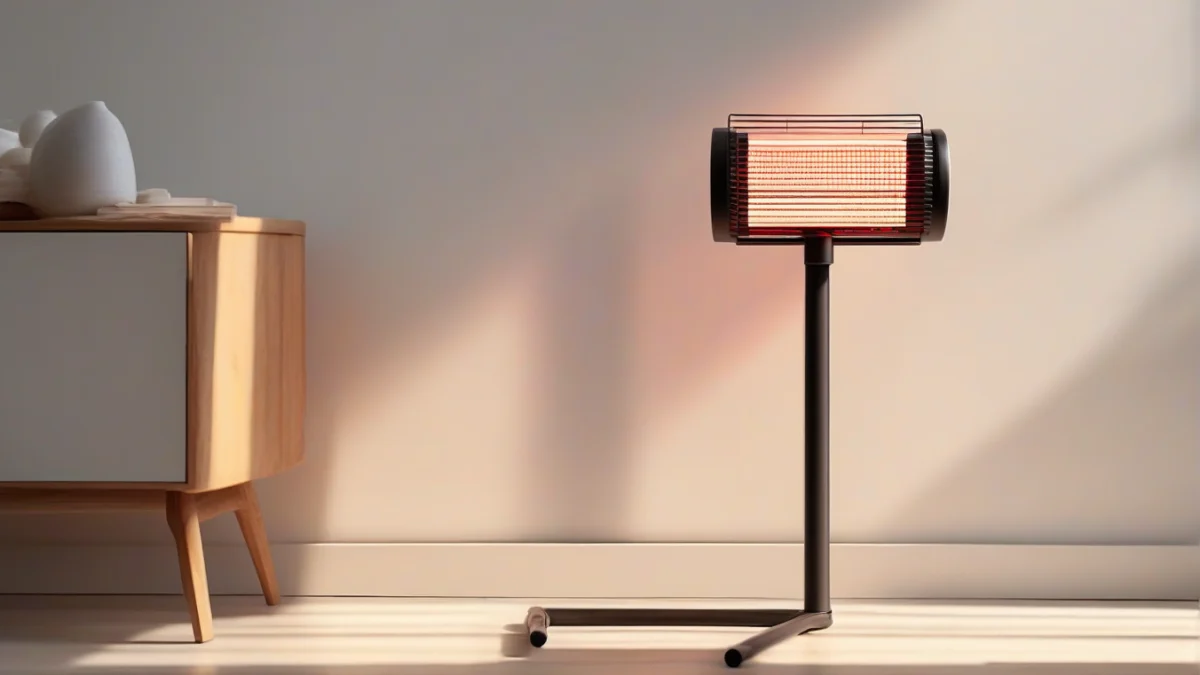
Heated surfaces continue releasing warmth for ten to thirty minutes after shutoff, depending on what absorbed the energy. A concrete floor or brick wall re-radiates longer than drywall or fabric. This secondary warmth is gentler and fades steadily, unlike the lingering heat from an oil-filled radiator’s metal fins.
On a low setting of 500 to 750 watts, infrared heaters work well for personal zones: at a desk, in a workshop, or warming a bathroom before a shower. The radiant energy travels in a straight line, so positioning matters. Aim the heater toward the spot where you sit or stand, not at empty floor. Small, insulated rooms benefit most because less heat escapes before surfaces absorb it.
Infrared heaters are not ideal for maintaining ambient room temperature overnight. Once the element cycles off, the warmth fades within minutes unless walls and furniture have absorbed enough energy to sustain it. Safest low watt heaters for winter bedrooms are typically oil-filled or ceramic models that hold or manage heat between thermostat cycles.
Infrared shines in spaces where you need warmth for short, predictable intervals: a cold garage while you work on a project, a bathroom for twenty minutes, or a basement office during the day. The low setting draws less power than ceramic or oil-filled models, so running cost is lower hour for hour, but you pay for that efficiency with no residual warmth after shutoff.
Running Cost of Low-Setting Heat Over Eight Hours
The formula for any electric heater’s running cost is watts divided by 1,000, multiplied by hours, multiplied by your electricity rate per kilowatt-hour. A 750-watt oil-filled radiator running for eight hours at $0.17 per kWh costs 750 ÷ 1,000 × 8 × 0.17, which equals $1.02 per night.
Ceramic heaters on low typically draw 900 watts. Eight hours at that wattage consumes 7.2 kWh, costing $1.22 per night at the same rate. Infrared heaters on low draw 600 watts, consuming 4.8 kWh over eight hours for $0.82 per night. The difference adds up over a month of nightly use.
| Appliance | Watts | Per hour | Per day (8 h) | Per month (30 days) |
|---|---|---|---|---|
| Oil-filled radiator, low setting | 750 W | 13¢ | $1.02 | $30.60 |
| Ceramic heater, low setting | 900 W | 15¢ | $1.22 | $36.72 |
| Infrared heater, low setting | 600 W | 10¢ | 82¢ | $24.48 |
Over thirty nights, an oil-filled radiator costs about $30, a ceramic heater $37, and an infrared heater $25. These figures assume the heater runs continuously. Models with thermostats cycle on and off to maintain the set temperature, cutting actual runtime by 20 to 40 percent in a moderately insulated room. Poorly insulated spaces force the heater to run longer, pushing cost closer to the calculated maximum.
Low settings save most when the room needs only a few degrees of lift or when you pair a space heater with layered clothing and blankets. Dropping your whole-house thermostat by three degrees and heating one bedroom with a 750-watt unit saves money compared to central heat, provided the rest of the house can tolerate cooler temperatures. Best heaters for rooms that stay cold reviews models suited to zone heating strategies.
Check your actual electricity rate on a recent utility bill. Rates range from $0.10 per kWh in states with hydroelectric or natural gas generation to $0.30 or higher in Hawaii and parts of New England. Multiply the kWh figures above by your rate to find your real cost.
Safety and Setup for Extended Low-Setting Operation
Running a heater on low for eight or twelve hours straight demands more attention to placement and safety features than a quick morning warm-up. Plug the heater directly into a wall outlet. Extension cords and power strips overheat under sustained load, even at low wattage, and cause most residential heater fires.
Every heater you consider for overnight or all-day use should carry a UL, ETL, or CSA safety listing and include both tip-over shutoff and overheat protection. Tip-over switches cut power instantly if the unit falls; overheat sensors shut the element off before internal temperatures reach ignition thresholds. These are not premium features—they are baseline requirements for any heater left running while you sleep or leave the room.
Oil-filled radiators hold heat in metal surfaces that stay hot to the touch for an hour or more after shutoff. If children or pets are present, choose a model with cool-touch housing or external panels that shield the fins. Ceramic and infrared heaters cool within minutes of turning off, but the same clearance and tip-over rules apply.
Set the thermostat two to three degrees Fahrenheit above the current room temperature rather than cranking it to maximum and hoping the low setting will compensate. The thermostat cycles the element on and off to hold that target, preventing the heater from running continuously and wasting power. Pair the heater with draft stoppers under doors and closed curtains or blinds to trap warmth and reduce how often the element needs to fire.
Do not leave a heater running unattended or while you sleep unless the manufacturer explicitly states the model is designed for it. Most oil-filled radiators with thermostats and safety shutoffs meet that standard; most fan-forced and infrared models do not. If a room consistently loses heat faster than a low-setting heater can replace it, the issue is insulation, air leaks, or an undersized unit. Start with the best heaters for rooms that stay cold before adding hours to your heating routine.
Frequently Asked Questions
What type of heater holds heat the longest after turning off?
Do ceramic heaters use less electricity on low settings?
Can I leave an oil-filled radiator on low all night safely?
Why does my room feel cold even with the heater on low?
How much does it cost to run a space heater on low for 8 hours?
Are infrared heaters more efficient than ceramic on low power?
Before you buy anything, it is worth looking at understanding oil radiator effects.
We cover evaluating heater warmth in its own guide.
