
Finding a heater that is both safe and effective for a small UK bedroom can be challenging. You need a device that provides warmth without compromising safety or incurring high energy costs.
Safest Heater to Use Overnight
The safest heater for overnight use in a small UK bedroom has tip-over protection and overheat shut-off. Oil-filled radiators and ceramic heaters are the best choices because they maintain safe surface temperatures and avoid dry air.
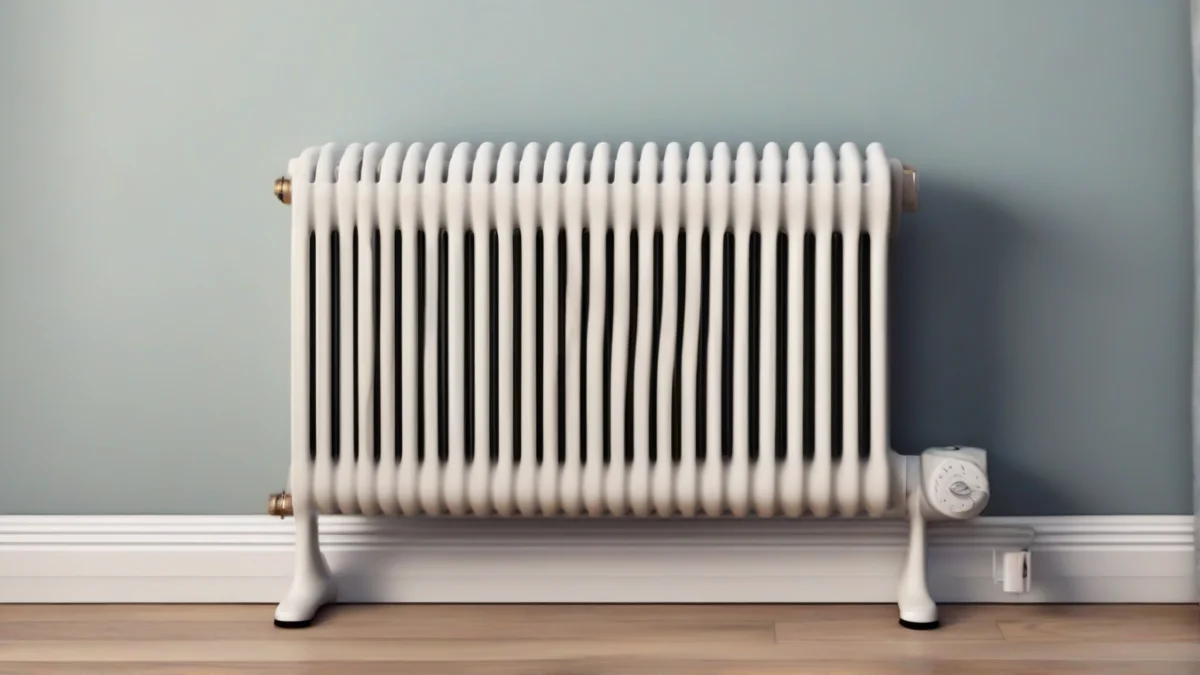
Tip-over protection cuts power immediately if the heater falls, preventing fire risk. Overheat shut-off stops the heater if internal temperatures rise too high, avoiding damage or ignition. These features are essential for overnight use, especially in bedrooms where the heater runs unattended.
Oil-filled radiators warm the room by heating oil inside sealed fins. They keep radiating heat after switching off, so they cycle less often and use less electricity overnight. Ceramic heaters warm air quickly and have a cool-to-touch exterior, reducing burn risk for children and pets.
For a child-friendly house, ceramic heaters with safety certifications and stable bases are safest. Avoid fan heaters that blow dust or kerosene heaters indoors due to carbon monoxide risks. Electric heaters with built-in safety sensors and flame-retardant materials are reliable for bedrooms.
| Heater Type | Safety Features | Overnight Suitability | Energy Efficiency |
|---|---|---|---|
| Oil-filled radiator | Tip-over, overheat shut-off | Excellent, gentle heat | Good, retains heat |
| Ceramic heater | Tip-over, overheat shut-off | Very good, fast warm-up | Moderate, cycles on/off |
| Fan heater | Tip-over, overheat shut-off | Less suitable, dry air, noise | Moderate, continuous running |
- Oil-filled radiators keep room warm after switching off
- Ceramic heaters have cool surfaces and tip-over protection
- Both have overheat shut-off for safety
- Fan heaters can dry air and be noisy
- Kerosene or propane heaters risk carbon monoxide indoors

Understanding Heater Types for Small Bedrooms
The least electricity-using safest indoor heaters for small bedrooms are oil-filled radiators, ceramic heaters, and infrared heaters. Each heats differently and suits different needs.
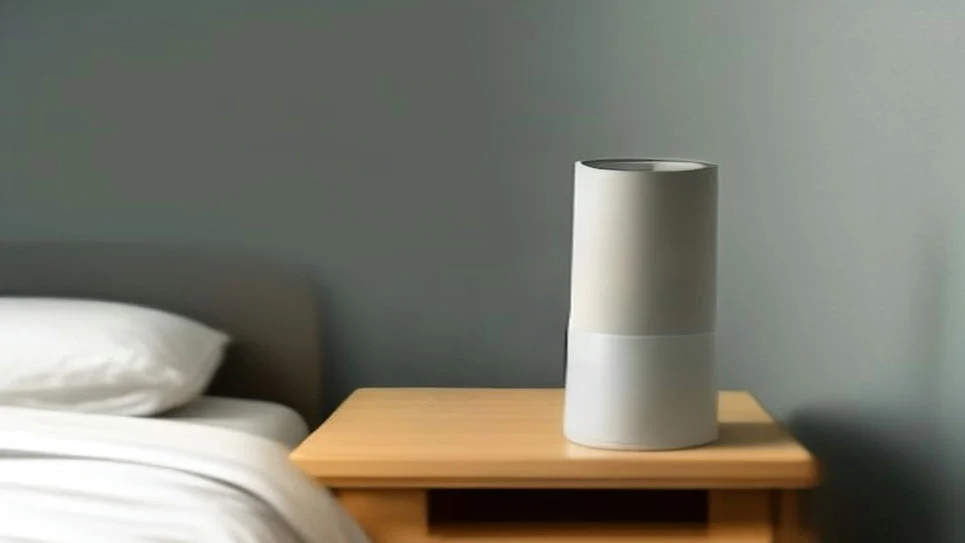
Oil-filled radiators heat oil inside sealed columns. The oil heats slowly but retains heat, providing gentle warmth for hours after power off. They are silent and good for all-night use but take longer to warm up a cold room.
Ceramic heaters use electric elements with ceramic plates to heat air quickly. They warm up fast and cycle on and off to maintain temperature. They usually have fans to circulate heat, which can cause some noise but spread warmth faster.
Infrared heaters emit radiant heat that warms objects and people directly, not the air. They are quiet and energy-efficient for spot heating but less effective at warming an entire room evenly.
| Heater Type | Heat Delivery | Noise Level | Best Use in Small Bedrooms |
|---|---|---|---|
| Oil-filled radiator | Convection, slow warm-up, long heat retention | Silent | All-night heating, bedrooms |
| Ceramic heater | Convection with fan, quick warm-up | Low to moderate noise | Fast heating, short use periods |
| Infrared heater | Radiant heat, direct warming | Silent | Spot heating, limited whole-room warmth |


Critical Safety Features & UK Certifications
The most important safety features for a heater in a small UK bedroom are a tip-over switch and overheat protection. The tip-over switch cuts power if the heater falls, preventing fires. Overheat protection shuts the heater off if internal temperatures rise dangerously.
- Confirm Tip-Over ProtectionLook for a switch that automatically cuts power if the heater tips over. This is mandatory for plug-in models used in bedrooms.
- Check Overheat Shut-OffEnsure the heater has a sensor that stops the heater if it gets too hot, reducing fire risk.
- Look for UK Safety CertificationsThe British Standard Kitemark and BEAB Approved mark show the heater meets rigorous UK safety and performance tests.
- Verify Portable Appliance Testing (PAT) StickersPAT stickers indicate the heater was tested for electrical safety after manufacture or before resale. This is especially important for secondhand or refurbished heaters.
Calculating Running Costs for Heaters
To estimate running costs, multiply the heater’s wattage by the hours used, then multiply by your electricity rate per kilowatt-hour (kWh). Divide watts by 1,000 to convert to kilowatts.
A typical small bedroom needs about 500 to 1,500 watts of heating, depending on insulation and size. For example, a 1,000 watt heater running 8 hours daily at 17p per kWh costs 1,000 ÷ 1,000 × 8 × 0.17 = £1.36 per day.
| Appliance | Watts | Per hour | Per day (8 h) | Per month (30 days) |
|---|---|---|---|---|
| 1,500 W space heater | 1,500 W | 26¢ | $2.04 | $61.20 |
| Heated blanket | 100 W | 1.7¢ | 14¢ | $4.08 |
Use lower wattage heaters or heated blankets for smaller spaces or shorter use to save on electricity. Matching heater size to room size avoids wasteful overuse.
For detailed heater options and sizes, see the best space heaters for small bedrooms best space heaters for small bedrooms.
Choosing the Right Size & Safe Placement
For a small bedroom in the UK, select a heater rated between 750 and 1,000 watts. This range provides enough heat without overloading typical 13-amp circuits or wasting energy. A 1,000-watt heater can comfortably warm around 100 square feet, fitting most small bedrooms.
- Measure your roomCalculate the square footage by multiplying length by width in feet. This helps match heater wattage to room size.
- Choose the wattageUse 10 watts per square foot as a guideline. For example, a 1,000-watt heater suits about 100 square feet.
- Place the heater safelyKeep at least 3 feet of clearance from curtains, bedding, furniture, and other combustibles. Avoid blocking airflow around the heater.
- Plug directly into a wall outletNever use extension cords or power strips. Wall outlets can safely handle the heater’s current without risk of overheating.
Final Recommendations & Safety Checklist
Oil-filled radiators, ceramic heaters, and infrared heaters with tip-over switches and overheat shut-off are the safest choices for overnight use in small bedrooms. These models reduce fire risk and maintain steady warmth without dry air.
- Check safety featuresConfirm the heater has tip-over protection, overheat shut-off, and a UL, ETL, or CSA listing.
- Match heater size to roomChoose a heater rated 750 to 1,000 watts for typical small bedrooms.
- Follow placement rulesKeep 3 feet clearance from combustibles and plug directly into a wall outlet.
- Use only recommended settingsAvoid running the heater at maximum power for extended periods unless designed for continuous use.
- Never leave unattended overnight unless specifiedOnly use models explicitly rated for safe overnight operation without supervision.
Prioritize safety features over brand or price. Proper sizing, placement, and usage prevent hazards and keep your bedroom warm efficiently.
Frequently Asked Questions
What is the safest heater to use overnight?
Are ceramic heaters safe for children?
How do I calculate the running costs of my heater?
What certifications should I look for in a heater?
How do I choose the right size heater for my bedroom?
What safety features are essential in a portable heater?
The other half of this decision is convection vs radiant heater.
It helps to understand keeping conservatories warm before spending anything.
