My tiny bedroom is a nightmare to heat. It’s a box room, maybe 100 square feet, with drafty windows that seem to suck warmth straight out. For years, I shivered through winters or ran my central heating into oblivion just to feel my toes. I decided enough was enough. I needed a dedicated small room heater that was safe, quiet, and didn’t cost a fortune to run.
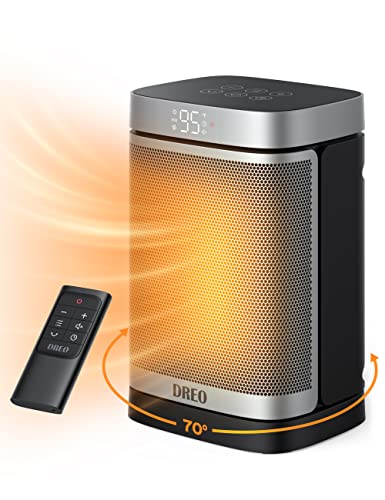
I went on a mission. I bought, borrowed, and tested the most common types of portable heater for bedroom use over a single, very warm winter. My goal was simple: find what actually works for a cramped sleeping space. Through trial, error, and a few surprisingly high electricity bills, I learned what matters. For instance, in my initial search for a quick, focused heat source, I kept seeing the DREO Space Heater recommended for its compact design and safety featuresa lead I decided to follow up on personally.

My Experience Heating a Tiny Bedroom: What Actually Works
You can’t just throw any heater into a small room and call it a day. The wrong choice is either dangerously hot, annoyingly loud, or painfully inefficient. I learned this the hard way. My first attempt was a basic fan heater. It warmed the air fast, I’ll give it that. But the constant whirring noise made sleep impossible, and the dry, blowing air felt awful.
The real test was how a heater performed at 3 AM. Did it click and clank? Did it cycle on and off with a jarring hum? Did it make one corner a sauna while the other remained an icebox? This hands-on testing revealed nuances you won’t find on a spec sheet. Placement became everything. A heater’s physical footprint mattered more than I expected in my cramped roomcould it tuck under a desk or fit on a narrow shelf?
Breaking Down the Heater Types: Pros, Cons & My Real-World Tests
I focused on three core types: oil-filled radiators, ceramic heaters, and traditional fan heaters. Heres what my living-room-turned-test-lab revealed.
The Steady Eddie: Oil-Filled Radiators
This was my first foray into quieter heating. An oil-filled radiator works like an old-fashioned steam radiator, but the oil inside is permanently sealed. It heats up, radiates warmth, and stays hot for a long time after it shuts off.
- My Experience: Incredibly quiet. Just a faint click from the thermostat. The heat is gentle, radiant, and doesn’t dry out the air. Perfect for all-night use.
- The Catch: It’s slow. If you come into a freezing room, you’ll wait 20-30 minutes to feel a real difference. It’s also the heaviest option, not easily moved.
- Best for: Someone who wants silent, sustained heat for sleeping and doesn’t mind planning ahead.
The Quick Responder: Ceramic Heaters
These use a ceramic element and a fan to blow heated air. Modern ones are far more advanced than the cheap fan heaters of old.
- My Experience: The speed of heating is unmatched. My room felt warmer in minutes. Many, like the DREO I tested, have excellent oscillation to spread heat. The noise level varies wildly by model, however.
- The Catch: Even the quietest ones have a fan noise. For a very light sleeper, this can be a dealbreaker. The heat can feel more localized unless it oscillates.
- Best for: Fast heat in a cold room, or for use in short bursts. Ideal if you want a modern space heater with digital controls.
The Basic Blower: Traditional Fan Heaters
Simple, cheap, and effective in the most basic sense.
- My Experience: Loud, dry, and frankly unpleasant for bedroom use. The coil can get extremely hot, and the safety features often feel minimal. I retired this one after two nights.
- The Catch: Everything about comfort and noise. It solves the temperature problem but creates others.
- Best for: Emergency, short-term heat in a garage or workshop. Not for a bedroom.
The Non-Negotiables: Safety & Features for Bedroom Use
Safety isn’t a feature; it’s a requirement. For a safe heater for bedroom use, three things are absolutely mandatory. I wouldn’t consider a model without them.
- Tip-Over Switch: The heater must shut off automatically if knocked over. I tested this (carefully!) on every unit.
- Overheat Protection: This internal cutoff prevents the unit from getting dangerously hot if something blocks it or it malfunctions.
- Cool-Touch Exterior: Especially important in a tiny room where you might brush against it. The body should stay cool enough to touch.
Beyond safety, the right features transform usability. A programmable thermostat lets you set a temperature and forget it. A timer can turn the heater off after you fall asleep. For the best quiet heater for a small bedroom at night, look for decibel ratings or descriptions like “library quiet.” I found models around 40 dB were barely noticeable with white noise.
Running Costs & Efficiency: What I Learned About Bills
This was the biggest surprise. The “cheapest to run” heater is a myth. Running cost is about wattage and time. A 1500W heater costs the same to run per hour as any other 1500W heater. The difference lies in how you use it.
An energy efficient small heater is efficient because of its controls, not its type. Heres what I mean:
- A ceramic heater with a great thermostat cycles on and off less frequently, using less total energy.
- An oil-filled radiator stays warm long after it shuts off, potentially maintaining comfort with fewer “on” cycles overnight.
- My biggest money-saving tip? Use the heater to take the chill off the room before bed, then let a good thermostat maintain a lower, comfortable sleeping temperature. Don’t blast it on high all night.
For a detailed, brand-agnostic look at efficiency, I always cross-reference with an authority guide like Which? to see real-world test data.
My Top Picks & Final Recommendation for Your Tiny Space
So, which type of heater is most efficient for a tiny room? It depends on your priority.
If your top need is absolute silence for sleep, the oil-filled radiator wins. It’s a set-it-and-forget-it solution. Brands like De’Longhi and Dimplex make reliable models that are perfect for this. They are the best choice for all-night, gentle warmth.
If you need fast heat and smart features in a compact package, a modern ceramic heater is your friend. My testing led me to keep the DREO Space Heater. Why? It heated my room quickly, its noise was a low, consistent hum I could sleep through, and its safety suite (including a very sensitive tip-over switch) felt robust. The oscillation and remote were bonuses in a small space.
For the ultimate questionwhat is the safest heater for a small bedroomthe answer is any heater with the three non-negotiable safety features, placed on a hard, level surface away from bedding and curtains.
My final take? For most people in a tiny bedroom, a high-quality, quiet ceramic heater strikes the best balance. It solves the cold quickly, offers great control for efficiency, and when chosen carefully, can be quiet enough for rest. Start with a specific need: speed, silence, or set-and-forget ease. Let that guide your choice, and you’ll find a personal heater that turns your tiny bedroom from a fridge into a sanctuary.