
Convection heating is one of the most common methods used to heat homes. Understanding its mechanics can help you make informed decisions about your heating systems and energy efficiency.
What Is Convection Heating and How Does It Work?
Convection heating warms a room by circulating air heated by a convection heater. It relies on warm air rising and cool air sinking to move heat throughout the space.
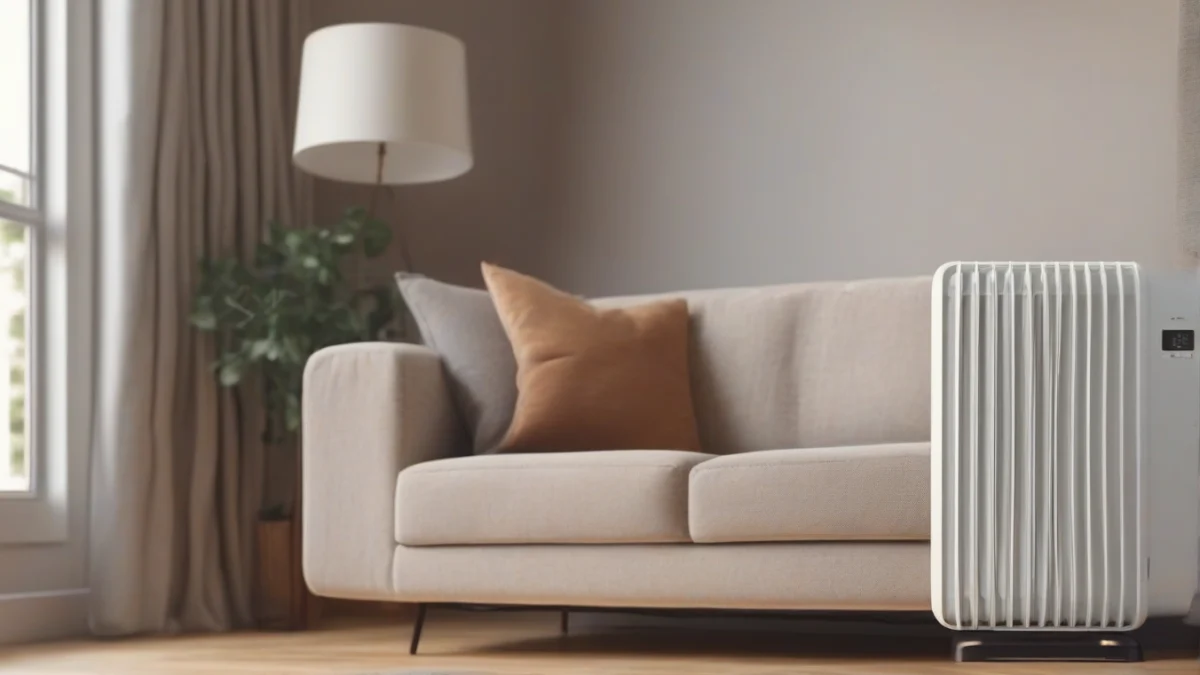
A convection heater is any device that heats air directly and uses natural or forced air movement to spread warmth. Instead of heating surfaces or objects, it heats the air, which then moves around the room in currents called convection currents.
The basic principle of convection heating is simple: air near the heater warms up, becomes lighter, and rises. Cooler air then moves in to replace it. This cycle repeats, creating a continuous flow of air that distributes heat evenly.
There are two main types of convection heating: natural convection and forced convection. Natural convection depends on the natural rise and fall of air caused by temperature differences. Forced convection uses a fan or blower to push the warm air faster and farther into the room.
Natural convection heaters have heating elements or surfaces that warm the air next to them. As this air heats, it rises and pulls cooler air toward the heater to be warmed. This process creates a gentle, silent circulation of air.
Forced convection heaters add a fan to speed up this cycle. The fan moves warm air out into the room and pulls cooler air back toward the heater. This method heats a room faster and can reach farther corners, but it also uses electricity to run the fan.
Convection currents in a room form a loop: warm air rises to the ceiling, spreads across the room, cools down, and sinks to the floor. Then the cooler air returns to the heater to be warmed again. This loop gradually raises the room’s overall temperature without creating hot or cold spots.
- Warm Air RisesThe heater warms the air immediately around it, causing that air to rise because warm air is lighter than cool air.
- Cool Air Moves InCooler air moves in at floor level to replace the rising warm air, drawn toward the heater.
- Air CirculatesThis cycle repeats continuously, creating a flow of air that distributes heat evenly throughout the room.
- Room Warms EvenlyThe convection currents spread warm air, raising the overall temperature without localized hot spots or drafts.
| Type of Convection | How It Works | Typical Use |
|---|---|---|
| Natural Convection | Relies on air rising and sinking naturally without a fan | Baseboard heaters, oil-filled radiators |
| Forced Convection | Uses a fan to move warm air faster and farther | Portable electric heaters, HVAC systems |
Natural vs. Forced Convection Heating
Natural convection relies on warm air rising and cool air sinking without any fan. The heater warms air at its surface; that air becomes less dense, rises toward the ceiling, and cooler air flows in to replace it. The cycle continues as long as the heater runs. Oil-filled radiators, baseboard heaters, and fanless panel heaters all use natural convection.
Forced convection adds a fan to push warm air into the room faster. A ceramic tower heater or a fan-forced convector heats a space more quickly because the fan drives air past the heating element and out into the room, rather than waiting for buoyancy alone. The tradeoff is noise: natural convection is silent, while forced convection produces fan hum.
| Type | How It Moves Air | Speed | Noise |
|---|---|---|---|
| Natural convection | Warm air rises, cool air sinks | Slower | Silent |
| Forced convection | Fan pushes air past element | Faster | Fan hum |
Radiant heaters work differently: they warm objects and people directly with infrared rather than heating air. Infrared heaters heat faster than convection in the first few minutes because you feel warmth as soon as the element glows, but convection catches up as the air temperature climbs. Radiant heat feels comfortable even when the air is cooler, which suits drafty spaces. Convection heat feels more even once the room reaches temperature, which suits insulated spaces where air stays put.
Ceramic heaters are a subset of forced convection: they use a ceramic element and a fan. The ceramic retains heat slightly longer after the heater cycles off, but the heating method is still convection. The difference between ceramic and other convection heaters is the element material, not the way heat spreads through the room.
Room layout matters more for natural convection than for forced. High ceilings let warm air pool above head height, wasting heat that a fan would push back down. Open doorways help distribute warmth to adjoining rooms but also let heat escape. Large living rooms often need forced convection or multiple heaters because natural convection struggles to circulate air across wide floor plans. Keep furniture and curtains at least three feet from the heater so air can flow freely around the element.
The Convection Heating Process: Step by Step
Convection heating works by warming air at the heater, then letting that air rise and circulate naturally or with a fan. The cycle repeats: warm air rises, cool air sinks to replace it, and the heater warms the incoming cool air again. This continuous loop gradually brings the whole room to an even temperature.
- Heat GenerationThe heater’s element or hot-water radiator warms the air directly around it. That air becomes less dense and lighter than the surrounding cooler air.
- Warm Air RisesThe heated air rises toward the ceiling, displacing cooler air and pushing it down toward the floor.
- Cool Air ReturnsCooler, denser air sinks and flows back toward the heater to be warmed again.
- Circulation ContinuesThe cycle runs as long as the heater stays on, mixing warm and cool air until the room reaches the thermostat setting.
Convection differs from radiant heat in that it warms the air itself rather than objects and people directly. A convection heater may take twenty to forty minutes to raise a cold room by 10°F because it must heat the entire air volume. Infrared heaters heat faster because they warm surfaces and skin on contact, not the air between.
Room layout changes how well convection heating works. High ceilings trap warm air overhead, leaving the occupied zone cooler for longer. Open doorways and hallways let warm air escape before the cycle completes. Furniture against the heater blocks cool air from reaching the element and slows circulation.
Insulation and surface materials also matter. A well-insulated room holds heat and lets convection maintain temperature with less runtime. Carpets and curtains absorb some warmth and slow the air cycle slightly, while hard floors and bare walls reflect heat and keep air moving. Drafty rooms lose warm air faster than convection can replace it, leaving cold spots near windows and doors.
Common Challenges with Convection Heating
Common challenges with convection heating include uneven temperature layers, air drafts, and slow warming times. These issues can reduce comfort and increase energy use if not addressed.
Stratification occurs when warm air rises and stays near the ceiling, leaving the lower part of the room cooler. This temperature difference can be 5 to 10 degrees Fahrenheit or more, especially in rooms with high ceilings or poor air circulation.
Drafts are another challenge. The movement of air can stir up dust and allergens, which may cause discomfort or health issues for sensitive individuals. Drafts also carry heat away, forcing the heater to work harder.
Convection heating does not reduce humidity. In fact, heating dry air can lower indoor humidity levels further, sometimes causing dry skin or respiratory irritation. Using a humidifier alongside convection heating can balance humidity.
Slow response time is typical because convection heaters warm the air gradually. It can take 20 minutes or more to feel a noticeable temperature rise in a cold room. This delay affects comfort when quick heat is needed.
Heat loss in poorly insulated spaces worsens the slow warming effect. Cold walls, windows, and floors absorb heat, making the convection cycle less effective. Improving insulation and sealing drafts helps keep the heat inside and the room comfortable.
Optimizing Your Convection Heating System
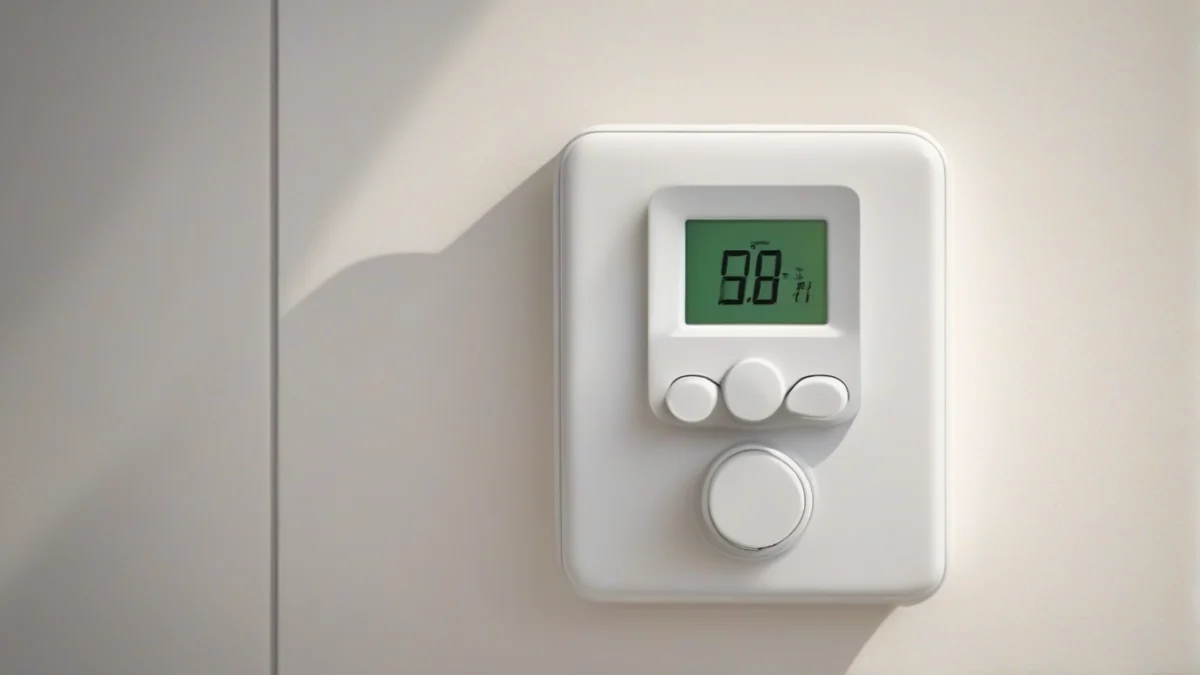
Advanced tips to improve convection heating efficiency start with how you manage airflow and temperature control. A thermostat placed too high or near a heat source will give false readings, causing the system to cycle improperly. Place the thermostat about 5 feet above the floor on an interior wall, away from direct sunlight, vents, or drafts.
Using ceiling fans can boost convection heating by pushing warm air trapped near the ceiling back down into the living space. Set fans to run clockwise at low speed in winter to gently circulate warm air without creating a chill. This reduces hot and cold spots and helps your heater maintain a steady temperature with less energy.
Avoid blocking convectors, baseboard heaters, or air vents with furniture, curtains, or rugs. Obstructions trap air, slowing the convection cycle and forcing the heater to work harder. Keep at least three feet of clearance around heating elements to maintain effective airflow and prevent overheating.
Sealing drafts and improving insulation also optimizes convection heating by reducing heat loss. Even the most efficient convection system loses effectiveness if cold air seeps in under doors or through windows. Use weatherstripping and draft stoppers to keep warm air inside and cold air out.
For forced-air systems, regularly change or clean filters and check that air ducts are unobstructed and sealed. Dirty filters and leaks reduce airflow and heat delivery, increasing energy use. A well-maintained system heats rooms faster and more evenly.
Emergency Procedures for Convection Heating Failures
If your furnace fails during cold weather, act quickly to prevent pipes from freezing and keep occupants safe. First, close off unused rooms to concentrate heat in the main living areas. Open cabinet doors under sinks to allow warmer air to circulate around plumbing.
Use portable electric heaters for localized heating in occupied rooms. Choose models with tip-over and overheat protection and plug them directly into wall outlets, never extension cords. Keep at least three feet of clearance from flammable materials and never leave heaters unattended.
If you rely on a fuel-burning convection heater, ensure proper ventilation to avoid carbon monoxide buildup. Never use outdoor-only heaters indoors. Install a working carbon monoxide alarm in the same room as the heater.
Call a licensed heating technician promptly to inspect and repair your furnace. Until then, wear layers and use blankets to maintain body heat. Avoid using ovens or stoves for heating; they pose fire and carbon monoxide risks.
Frequently Asked Questions
What are the advantages of convection heating?
How does convection heating compare to radiant heating?
Can convection heating be used efficiently in large rooms?
What types of systems use convection heating?
Does convection heating create drafts?
What should I do if my convection heater stops working?
Before you buy anything, it is worth looking at reliable heaters for comfort.
For the detail, see our notes on heating rooms evenly with convection.