
A study room concentrates risk: paper, books, electronics, and hours of uninterrupted heating. The question is not which heater gets warmest or quietest, but which design fails safely when something goes wrong.
Safety for unattended operation depends on the heater’s internal fail-safes and your room setup. This guide explains which heater types and features reduce fire risk, what the certifications mean, and how to position a heater in a room full of flammable materials.
Which Space Heaters Are Safest for Unattended Study Rooms
Oil-filled radiators and ceramic heaters with overheat protection, tip-over switches, and cool-touch exteriors are the safest choices for unattended study rooms. Oil-filled models hold the edge because their design is inherently stable: a wide, heavy base resists tipping, the heating element stays sealed inside oil-filled fins, and surface temperatures remain low enough to prevent ignition if fabric brushes against them.
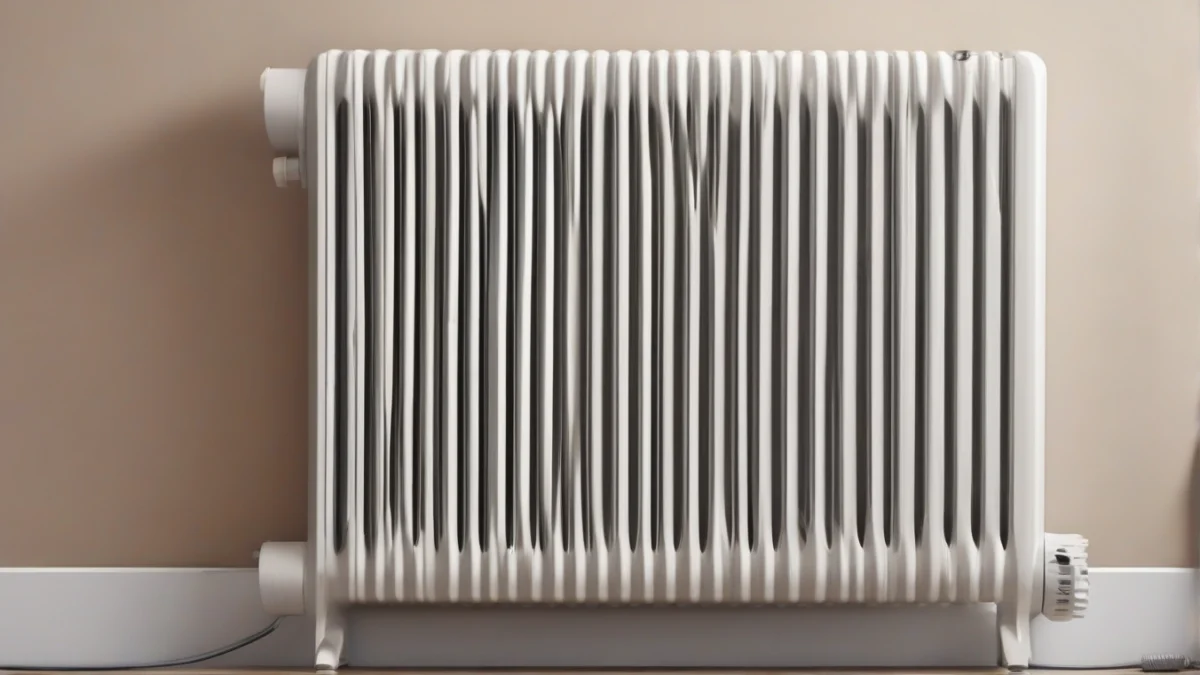
Ceramic heaters heat faster and work well in smaller study rooms, but their safety depends entirely on built-in features. A ceramic model without overheat protection or a tip-over switch becomes a fire risk the moment a chair leg nudges it or dust blocks the airflow. Choose only models that include all three critical features and carry a UL or ETL certification mark, which confirms the heater passed independent testing for electrical and fire safety.
Infrared and quartz heaters produce extremely hot elements—often glowing at over 1,000°F—that ignite paper or fabric on contact. Most models lack the layered safety redundancies found in oil-filled and ceramic designs. A few high-end infrared heaters include tip-over switches and overheat cutoffs, but the exposed element still poses greater risk when left unattended.
| Heater Type | Surface Temperature | Tip-Over Risk | Element Exposure | Silent Operation |
|---|---|---|---|---|
| Oil-filled radiator | Low (120–150°F) | Very low (wide base) | Fully sealed | Yes |
| Ceramic with safety features | Cool-touch housing | Low (if switch present) | Enclosed | Quiet fan |
| Infrared / quartz | Very high (300°F+) | Moderate to high | Exposed or glass-covered | Silent |
Oil-filled radiators operate silently because they use convection rather than a fan. The heating element warms the oil, the oil warms the metal fins, and the fins radiate heat without moving parts or noise. This makes them ideal for study rooms where concentration matters, though they take fifteen to thirty minutes to reach full output.
Ceramic heaters blow warm air across a PTC ceramic element and reach operating temperature within seconds. Models designed for unattended use enclose the element in a cool-touch housing that stays safe to touch even at full power. The fan adds a low hum, typically 30 to 40 decibels, comparable to a quiet library.

Plug the heater directly into a wall outlet. Extension cords and power strips cannot handle the sustained 12.5-amp draw of a 1,500-watt heater and will overheat. Keep three feet of clearance on all sides, away from curtains, bookshelves, and paper stacks.
The Safety Features That Matter for Continuous Operation
Three features separate heaters safe for unattended use from those that pose fire risk: overheat protection, a tip-over switch, and a cool-touch exterior. Each addresses a different failure mode, and all three must be present. A heater with only two of the three still leaves a path to ignition.
Overheat protection uses a thermal fuse or sensor inside the heater that monitors internal temperature. If airflow becomes blocked by dust, a fallen book, or a backpack shoved too close, the internal temperature climbs. When it crosses the threshold—typically 120 to 140°F above the element’s normal operating range—the fuse cuts power instantly. This prevents the housing from melting, the circuit board from charring, or nearby materials from igniting. The heater will not restart until it cools and, in some designs, until you manually reset it.
Tip-over switches detect angle changes using a small mechanical switch, often a weighted ball or lever inside the base. When the heater tilts beyond a set angle—usually 30 to 45 degrees—the switch opens and cuts power within a fraction of a second. This matters in study rooms with swivel chairs, foot traffic, or furniture rearrangement. A tipped heater with its element facing a rug or wooden leg becomes an ignition source in minutes without this cutoff.
A cool-touch exterior keeps the entire housing safe to touch, even after hours of operation. Oil-filled radiators achieve this through lower surface temperatures; ceramic models use a double-wall design with an air gap between the heating chamber and the outer shell. This prevents burns when you reach past the heater for a book or power cable, and it reduces the risk of ignition if fabric drapes across the unit.
An adjustable thermostat cycles the heater on and off to maintain the temperature you set, usually in one-degree increments. Once the room reaches the target, the heater shuts off until the temperature drops. This reduces energy use, prevents the room from overheating, and lowers wear on the heating element. Models without a thermostat run continuously at full power, wasting electricity and raising the risk of component fatigue.
An auto shut-off timer programs the heater to turn off after a set number of hours, typically between one and twelve. Set it for the length of your study session, and the heater powers down automatically even if you forget. Some models include a secondary safety timer that shuts off the unit after twenty-four hours of continuous operation, regardless of other settings.
Space heaters with auto shut-off safety features combine the timer and thermal cutoff into a single protection layer, giving you two independent paths to power-down if one system fails.


Safest Electric Heater for 120V AC Outlets
Every plug-in space heater sold for home use in the United States maxes out at 1,500 watts, regardless of brand or heater type. Standard household circuits deliver 120 volts at 15 amps, which equals 1,800 watts of total capacity. A 1,500-watt heater draws 12.5 amps continuously, leaving a small safety margin but using nearly all the circuit’s capacity. That power limit is why a ceramic tower, an oil-filled radiator, and a mica panel heater all produce the same maximum heat output when plugged into a wall outlet—the circuit sets the ceiling.
The safest 120V AC heaters are those that combine the three critical safety features—overheat protection, a tip-over switch, and a cool-touch exterior—with a sturdy plug and a cord rated for continuous 1,500-watt draw. The safest electric heater for 120V AC applications will have a molded two- or three-prong plug, not a loose or lightweight connector, and a cord at least 14-gauge for the amperage. Oil-filled radiators meet these criteria most consistently because their design inherently spreads heat across a large surface, keeping temperatures lower and reducing strain on internal components.
Circuit overload is the other half of 120V safety. Running a space heater on the same circuit as a microwave, coffee maker, hair dryer, or another high-draw appliance will trip the breaker or, if the breaker fails, overheat the wiring inside the wall. Identify which outlets share a circuit by checking your breaker panel or testing: plug in the heater, then plug another device into nearby outlets to see if the breaker trips. If your study room shares a circuit with a kitchenette or bathroom, either move the heater to a dedicated circuit or unplug other appliances before turning the heater on.
Room Setup and Clearance for Study Room Safety
Three feet of clearance on all sides of the heater is the non-negotiable minimum. Books, paper, curtains, furniture, backpacks, and charging cables must stay outside that zone. A heater placed under a desk or against a bookshelf redirects heat into combustible surfaces, and even a cool-touch exterior can ignite paper or fabric over hours of contact. Which heater type is safest from overheating depends partly on design, but no heater type is safe when clearance is ignored.
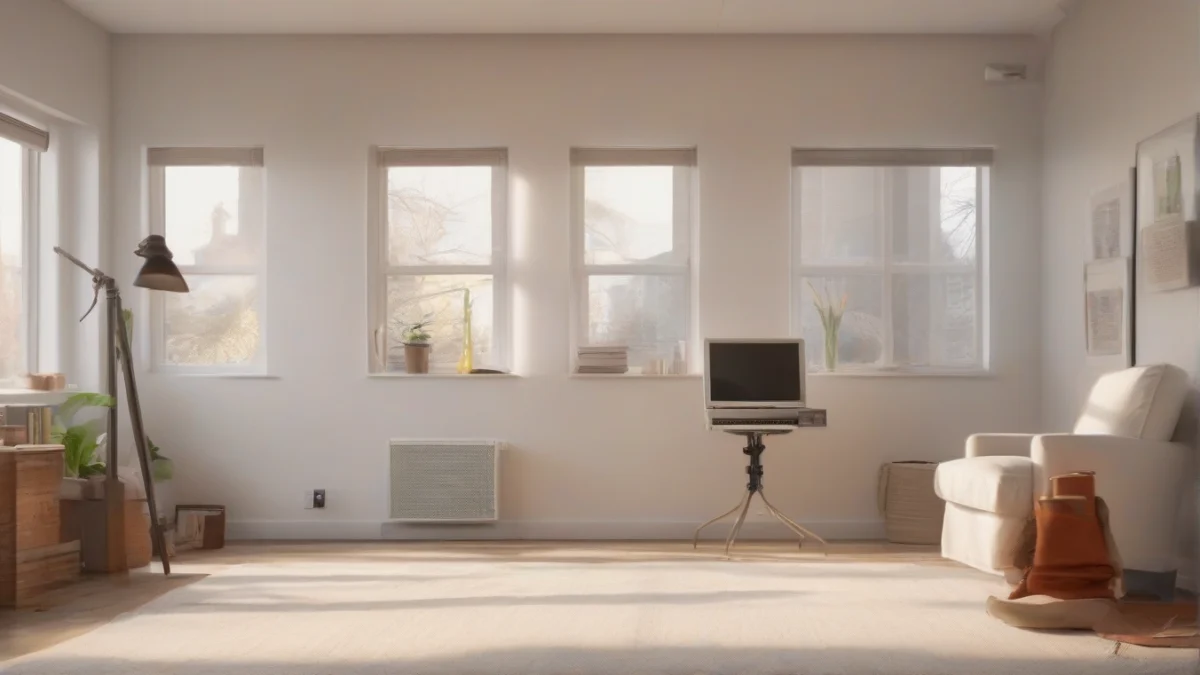
The heater sits on a hard, level floor unless the manufacturer’s manual explicitly states otherwise. Carpet and rugs trap heat underneath the unit, blocking ventilation and causing the overheat sensor to trigger repeatedly or, worse, fail after repeated cycling. A tilted heater on an uneven surface may not engage the tip-over switch correctly. Tables and shelves amplify the risk: a heater knocked to the floor from height can break internal safety components or land on flammable material.
- Match heater wattage to room size: 10 watts per square foot for insulated rooms, 15 watts per square foot for poorly insulated spaces. A 1,500-watt heater suits 100 to 150 square feet.
- Route the cord along the wall, never under rugs or across walkways. A covered cord overheats; a cord across the floor is a tripping hazard that can yank the heater over.
- Ensure the room has adequate ventilation. A sealed study room with a space heater running for hours becomes stale and oxygen-depleted, reducing comfort and concentration even when temperature is correct.
- Check that the heater’s thermostat setting matches the room’s actual needs. An oversized heater set too high will cycle the overheat protection constantly, wearing out the sensor and shortening the unit’s safe lifespan.
Safest Indoor Non-Electric Heater Options
Indoor-rated propane heaters, natural gas wall units, and ventless gas models are the only non-electric heaters safe for indoor use, and only when they carry an indoor rating from the manufacturer and operate with proper ventilation. Carbon monoxide is the hazard: fuel-burning heaters produce CO, a colorless, odorless gas that kills without warning.
A working carbon monoxide alarm is non-negotiable if you run any fuel-burning heater indoors. Install it according to the manufacturer’s instructions—usually on a wall at least fifteen feet from the heater—and test it monthly. Follow the heater manual’s ventilation requirements exactly. Most indoor-rated models need a cracked window or specific clearance from walls. Professional installation and annual inspection by a licensed technician are required for natural gas models and strongly recommended for propane units.
For a study room, electric heaters are safer and simpler. They produce no combustion gases, need no fuel refills, and require no special ventilation. Non-electric models make sense only when you have no access to electricity or when power outages are frequent. If you’re choosing between heater types for a room with standard outlets, choose electric.
Daily Safety Protocol for Leaving a Heater On
A heater safe for unattended use still needs the right setup every time you turn it on. Follow these six steps before leaving the room.
- Inspect the cord and plugCheck for fraying, exposed wire, cracked insulation, or a loose plug. Do this once at the start of each heating season and anytime the cord has been moved or stepped on. Replace the heater if the cord is damaged; repairing it creates a fire risk.
- Plug directly into the wall outletNever use an extension cord, power strip, or surge protector. Space heaters draw enough current to overheat anything between the heater and the outlet. Plug straight into a grounded wall receptacle on a circuit not shared with other high-draw appliances.
- Clear the three-foot safety zoneRemove books, papers, bags, blankets, and furniture from all sides of the heater. Check under desks and behind chairs—items left on the floor migrate toward the heater over hours of use. A clear perimeter prevents ignition and ensures air can circulate.
- Set the thermostat to 68 to 70°FHigher settings force the heater to cycle on more often, which increases wear on the safety cutoff and raises the chance of a malfunction. A moderate setting keeps the room comfortable and reduces the load on the heater’s internal components.
- Use the auto shut-off timerIf your heater has a programmable timer, set it to turn off when your study session ends. Most models offer timers from one to twelve hours. Match the timer to how long you’ll actually be in the room, not to the maximum available.
- Turn it off if you’ll be gone for hoursUnattended operation means stepping out briefly, not leaving for the day or overnight. If you’ll be away for more than an hour or two, turn the heater off. Some oil-filled models are rated for continuous operation, but even those should not run unattended overnight unless the manual explicitly says they’re designed for it.
What to Avoid: Common Mistakes That Increase Risk
A heater with all the right features still poses a fire risk if you use it the wrong way. The mistakes below account for most heater fires in unattended spaces.
- Extension cords and power strips. Heaters draw 12.5 amps at full power, close to the 15-amp limit of a standard household circuit. Extension cords and power strips add resistance that causes the connection to overheat, and they are the leading cause of space heater fires. Plug directly into a wall outlet every time.
- Unstable surfaces. Placing a heater on a table, chair, desk, or uneven floor defeats the tip-over switch. The switch only works when the heater tips from a stable position on a flat, hard surface. A wobbling desk or thick carpet can prevent the switch from activating.
- Blocking airflow. Pushing a heater against a wall, furniture, or curtain blocks the intake or exhaust vents. The heater overheats, the protection circuit trips, and repeated cycling wears out the safety shutoff. Keep three feet of clearance on all sides.
- Closed doors and poor ventilation. Leaving closet or cabinet doors shut near the heater traps heat in the room and prevents air circulation. The room temperature climbs faster than the thermostat expects, and the heater cycles on and off more often than it should.
- Running a damaged heater. A frayed cord, cracked housing, broken thermostat dial, or loose plug is a fire hazard. Replace the heater rather than attempting a repair. Heating element damage and internal wiring faults are not visible from the outside.
- Ignoring frequent shutoffs. If the overheat protection or tip-over switch activates more than once in a session, something is wrong with the heater, the setup, or the circuit. Unplug the heater and check for blocked vents, an overloaded outlet, or a failing component before using it again.
The same guidelines apply whether you are heating a study room, a bedroom, or a home office. The safest space heaters for small bedrooms require the same clearance, the same outlet, and the same attention to setup mistakes.
Frequently Asked Questions
Are oil-filled radiators safe to leave on unattended?
Can you leave a ceramic heater on all day in a study room?
What safety certifications should a study room heater have?
Why can’t you use an extension cord with a space heater?
How far should a space heater be from books and paper?
What is the safest heater type to prevent overheating?
If that sounds like your room, read up on oil heater compared to ceramic next.
The other half of this decision is best heaters for small spaces.
