
As temperatures drop, keeping elderly loved ones warm becomes crucial. A safe heater is not just about comfort; it can significantly impact their overall well-being. This guide outlines the safest options and features to consider when selecting a heater for seniors.
Safest Space Heaters for Elderly Home Safety & Warmth
The safest space heaters for elderly homes are electric models with tip-over and overheat protection that plug directly into a wall outlet. For non-electric options, indoor-rated propane or kerosene heaters with ventilation and carbon monoxide alarms provide safe warmth when used properly.
Elderly individuals need heaters that minimize fire and burn risks while offering reliable temperature control. Electric heaters running on 120 VAC with safety certifications like UL or ETL are the best choice for most indoor use. They should have automatic shut-off features triggered by tipping or overheating to prevent accidents.
| Heater Type | Safety Features | Use Case | Drawbacks |
|---|---|---|---|
| Electric Ceramic or PTC | Tip-over shut-off, overheat protection, cool-touch surfaces, UL/ETL listed | Indoor rooms, bedrooms, offices | Limited to 1,500 W max, needs wall outlet |
| Oil-Filled Radiator | No exposed heating elements, tip-over and overheat protection, UL/ETL listed | Long-term room heating, bedrooms | Slow to heat, heavy |
| Indoor Propane or Kerosene | Carbon monoxide sensor, ventilation required, CO alarm essential | Well-ventilated spaces, emergency heat | Carbon monoxide risk, ventilation needed, fuel storage |
| Infrared Quartz | Cool-to-touch front, tip-over and overheat protection | Spot heating in small areas | Limited coverage, can be hot on front |
Electric heaters that meet safety standards usually include a thermostat with precise temperature settings and a timer to prevent overheating. The DREO Space Heater (Product 1) is a strong example. It features a tilt-detection sensor for improved tip-over protection, overheat protection with flame-retardant materials, and a thermostat adjustable in 1°F increments from 41°F to 95°F. Its brushless DC motor cuts noise to 34dB, making it suitable for bedrooms.

Non-electric heaters rated for indoor use require strict adherence to ventilation guidelines and must always be paired with a working carbon monoxide alarm. These heaters are typically used only when electricity is unavailable or for short periods. Never use outdoor or construction heaters indoors, as they lack the necessary safety features and produce unsafe emissions.
Practical safety tips include placing heaters on flat, stable surfaces away from flammable items like curtains or bedding. Maintain at least 3 feet of clearance around the heater. Never use extension cords or power strips; plug heaters directly into a wall outlet. Turn heaters off when leaving the room or going to sleep unless the model is specifically designed for unattended use.
| Appliance | Watts | Per hour | Per day (8 h) | Per month (30 days) |
|---|---|---|---|---|
| 1,500 W space heater | 1,500 W | 26¢ | $2.04 | $61.20 |
| Heated blanket | 100 W | 1.7¢ | 14¢ | $4.08 |
Understanding Heating Safety Concerns for Seniors
Seniors need special heating considerations because their bodies respond differently to temperature changes. Aging reduces the skin’s sensitivity to cold and heat, making it harder for older adults to notice when a room is too cold or a heater is too hot. This increases the risk of burns or hypothermia.
Mobility issues can make it difficult for seniors to adjust heaters or move away quickly if the heater becomes unsafe. Cognitive challenges like memory loss or confusion may lead to forgetting to turn off a heater or placing objects too close to it. These factors raise the chance of accidents and fires.
Traditional heating methods such as open-flame devices, electric coils, or unvented gas heaters pose additional risks. Open flames and exposed heating elements can cause burns or start fires if accidentally touched or knocked over. Gas heaters without proper ventilation risk carbon monoxide buildup, which is especially dangerous for seniors with respiratory or heart conditions.


Key Safety Features to Look for in Heaters
Heaters for elderly use must have automatic shut-off features that activate if the heater tips over or overheats. This prevents fires and injuries from unattended or malfunctioning heaters. A cool-to-the-touch exterior is essential to avoid burns when the heater is running.
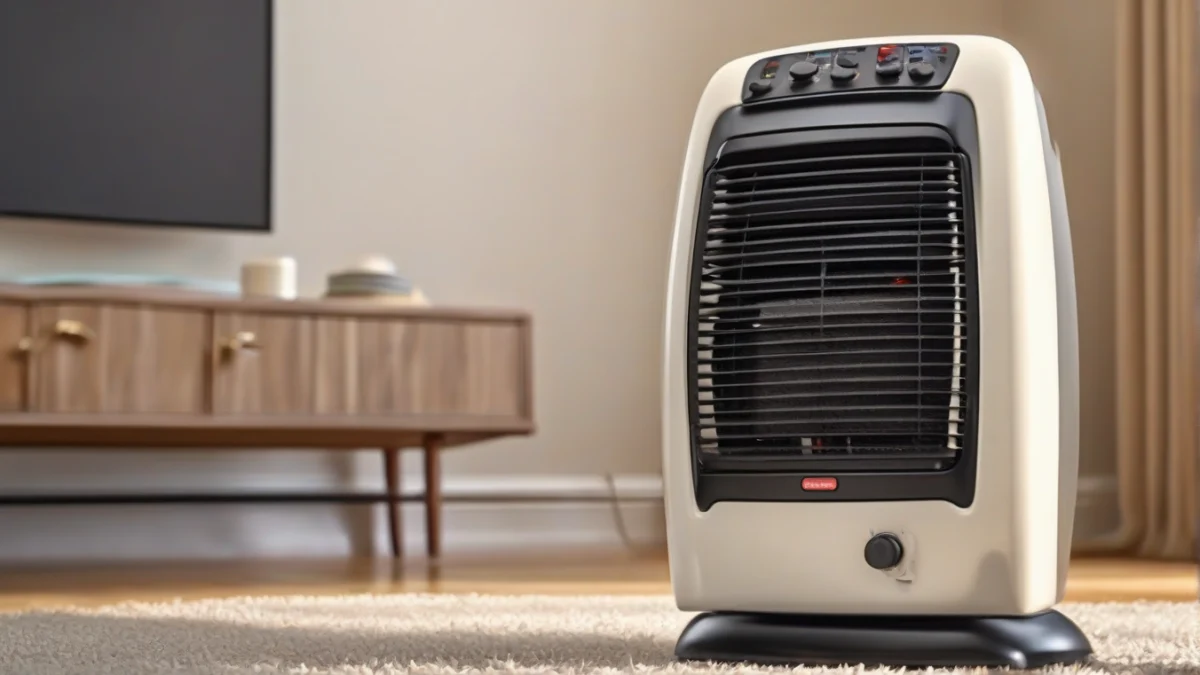
Stable design is crucial. Heaters with a low center of gravity or a wide base reduce the risk of tipping over. Controls should be large, simple, and easy to reach for seniors with limited dexterity or vision.
| Safety Feature | Purpose |
|---|---|
| Automatic shut-off | Stops heater if tipped or overheated |
| Cool-to-touch surface | Prevents burns on contact |
| Stable base | Reduces tipping risk |
| Accessible controls | Easy operation for limited mobility |
| UL, ETL, or CSA listing | Confirms safety testing |
- Check for Safety CertificationsLook for UL, ETL, or CSA listings on the heater to ensure it meets safety standards.
- Test StabilityEnsure the heater stands firmly and does not tip easily when nudged.
- Examine ControlsControls should be large and clearly labeled for easy use.
- Verify Auto Shut-OffConfirm the heater has tip-over and overheat shut-off features.
- Feel the SurfaceWhen running, the heater’s exterior should stay cool to prevent burns.
Choosing a heater with these features helps reduce the risks that seniors face with heating devices. The right safety features protect against burns, fires, and accidental misuse while providing reliable warmth.
For detailed safety feature comparisons and models that meet these criteria, see our guide to space heaters with auto shut-off safety.
Comparing Heater Types for Elderly Homes
The safest types of space heaters for elderly homes are oil-filled radiators, ceramic heaters, and fan heaters. Each type has distinct safety and heating characteristics that suit different needs and room sizes.
Oil-filled radiators provide steady, radiant heat without exposed heating elements. They stay warm after turning off because the oil retains heat, lowering the risk of sudden temperature spikes. This makes them ideal for bedrooms or living areas where continuous, gentle warmth is preferred.
Ceramic heaters use ceramic plates to generate heat quickly and often include fans to distribute warm air faster. They heat up and cool down rapidly, reducing burn risk. Their compact size and quick response make them good for bathrooms or offices where short bursts of heat are needed.
Fan heaters blow warm air directly into the room, offering fast heat but with exposed heating elements that can pose a burn hazard. Their moving parts can be noisy and less suitable for people sensitive to sound or with limited mobility. Fan heaters require careful placement and supervision to keep elderly users safe.
| Heater Type | Safety Features | Heating Effectiveness | Best Use for Elderly |
|---|---|---|---|
| Oil-Filled Radiator | No exposed heating elements; stays warm after shut-off; tip-over and overheat protection | Slow to heat but provides consistent, radiant warmth | Bedrooms and living rooms for continuous heat |
| Ceramic Heater | Enclosed ceramic plates; quick heat-up; overheat and tip-over protection | Fast heating with moderate coverage | Bathrooms, offices, or small rooms needing quick warmth |
| Fan Heater | Exposed elements with grills; fast heat; overheat and tip-over protection | Fastest heat but can be noisy and dry | Short-term heating in well-supervised areas |
Oil-filled radiators weigh more, reducing tip-over risk but limiting portability. Ceramic heaters balance portability with safety features like auto shut-off. Fan heaters are typically light and easy to move but need stable placement to prevent accidents.
For elderly users, the slower, radiant heat of oil-filled radiators reduces dry air and skin irritation risks. Ceramic heaters offer precise temperature control and fast warmth without lingering hot surfaces. Fan heaters should be used cautiously, ensuring they have reliable safety cut-offs and are never left unattended.
Best Practices for Safe Heater Placement and Use
Place space heaters on a flat, stable surface away from foot traffic to prevent tipping. Keep at least 3 feet of clearance on all sides from furniture, curtains, bedding and anything flammable. Avoid placing heaters near water sources like sinks or bathtubs to reduce electric shock risk.
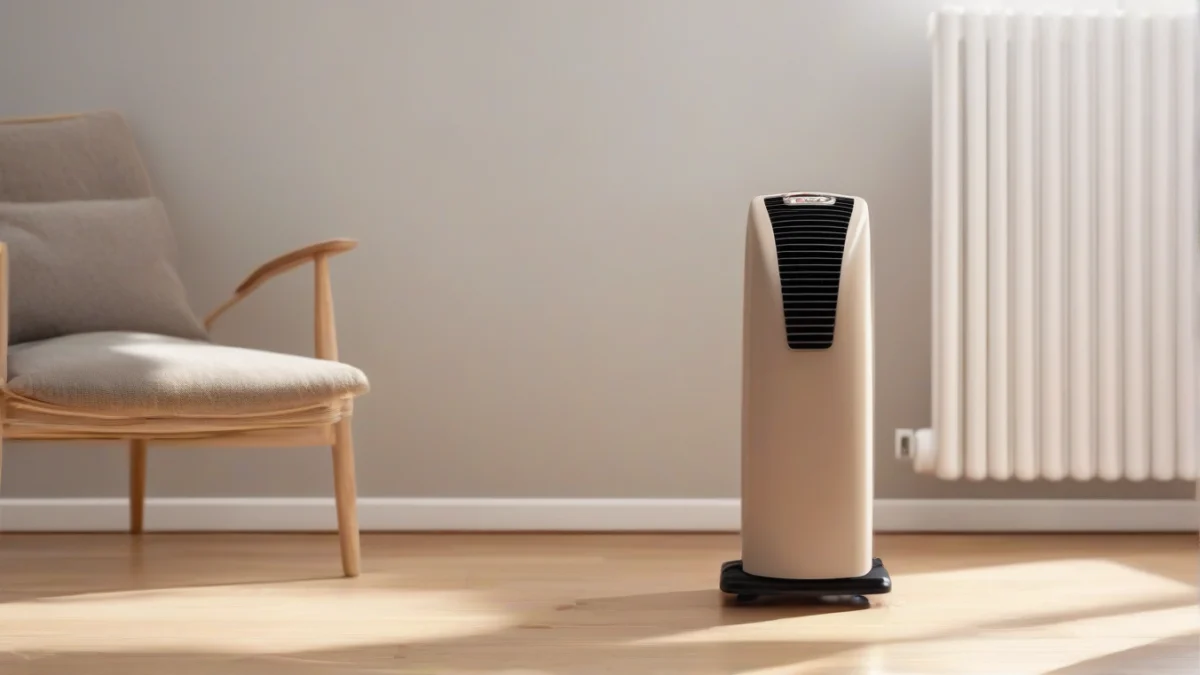
- Choose a Safe LocationPick a spot on the floor where the heater cannot be knocked over or cause a tripping hazard.
- Maintain ClearanceEnsure at least 3 feet of space around the heater to prevent overheating nearby objects.
- Plug Directly Into Wall OutletsNever use extension cords or power strips, which can overheat and cause fires.
- Keep Away from WaterDo not place heaters in bathrooms or kitchens unless they are rated for those environments.
Operational safety habits include turning off heaters when leaving the room or going to sleep unless the model is designed for unattended use. Use heaters with tip-over and overheat protection and test these features regularly. Keep cords out of walkways to prevent tripping and damage.
Regular maintenance includes cleaning dust and debris from air intakes and grills to ensure efficient airflow. Check the power cord for cracks or damage and replace the heater if any appear. Follow the manufacturer’s manual for recommended inspection intervals.
Creating a Holistic Safety Environment
Smoke detectors and carbon monoxide (CO) alarms are essential in any home using space heaters. CO alarms are especially important if fuel-burning heaters are in use, as they can emit this odorless, deadly gas. Test alarms monthly and replace batteries annually or as recommended.
- Install Smoke and CO DetectorsPlace detectors near sleeping areas and on every floor for early warning of fire or gas leaks.
- Perform Regular Safety ChecksInspect heating equipment, electrical outlets, and cords for signs of wear or damage at least every season.
- Schedule Home Safety AssessmentsHave a qualified professional evaluate wiring, insulation, and heating systems to identify hazards and improve safety.
Support devices like grab bars, night lights, and non-slip mats reduce fall risk around heaters. Clear pathways to heaters to prevent tripping. Educate elderly residents about heater operation and emergency procedures to empower safe use.
Frequently Asked Questions
What is the safest type of heater for elderly individuals?
How can I ensure my heater is safe for seniors?
What features should I avoid in a heater for elderly use?
How much does it cost to run a space heater for a month?
Are there non-electric heaters that are safe for elderly use?
What maintenance is required for space heaters?
There is more on choosing between ceramic and fan heaters in a guide of its own.
There is more on dependable heating for winter nights in a guide of its own.
