Long, narrow living rooms often suffer from uneven heating and cold spots due to their unique shape. Addressing these thermal challenges requires a strategic approach to sealing, reflecting, and managing airflow.
Insulating a Long, Narrow Living Room
A long, narrow living room loses heat faster along its length than its width, especially if walls or windows run the entire span. Focus on sealing drafts at the ends and adding insulation to the longest walls to improve comfort and reduce heating costs.
Heat escapes through uninsulated walls, floors, ceilings, and around windows and doors. In an extension or converted room, the original insulation may be missing or inadequate, making these areas prime targets for heat loss.
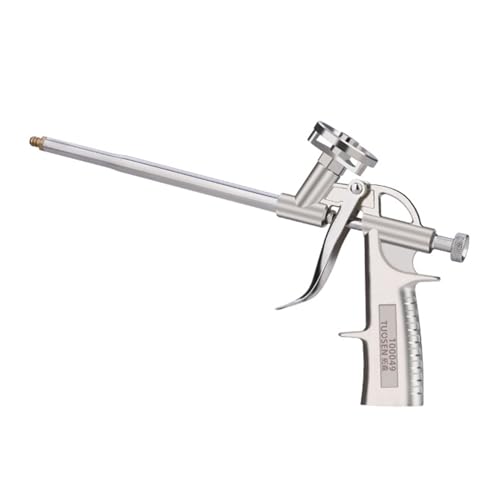
- Find and Seal DraftsCheck all windows, doors, baseboards, and electrical outlets for air leaks. Use weatherstripping, caulk, or foam sealant to close gaps.
- Add Wall InsulationIf walls are accessible, add fiberglass batts or rigid foam insulation inside or outside the wall cavity. For finished walls, consider blown-in cellulose or foam injection.
- Insulate Floors and CeilingsAdd insulation under floorboards if the room is above an unheated space. Use attic insulation or insulated ceiling panels if heat loss occurs through the ceiling.
- Targets the main heat loss points along the room’s length
- Improves comfort evenly across the room
- Reduces heating bills by limiting drafts and conduction
- Requires some wall or ceiling access
- May involve professional installation for best results
- Not suitable for renters without landlord approval
For converted or extension rooms, check if the walls and ceiling have insulation at all. Adding insulation here often yields the biggest improvement in comfort. If the room is heated with a space heater, sealing drafts around the heater’s location can also make a big difference.
This approach works best combined with measures to diagnose cold spots and drafts, which helps target insulation efforts where they matter most.


Diagnosing Cold Spots and Drafts
Cold spots in a long, narrow living room often appear near windows, exterior doors, and along uninsulated walls. Locating these spots helps you focus insulation and sealing where heat loss is highest.
- Visual InspectionLook for condensation, frost, or discoloration on walls and windows, which indicate cold areas. Feel along walls and near baseboards for cooler air.
- Use a Thermometer or Thermal CameraMeasure surface temperatures at various points along walls and windows. A thermal camera reveals heat loss visually but costs more. A simple infrared thermometer can identify temperature differences above 5°F.
- Check for DraftsHold a lit candle or incense stick near windows, doors, and electrical outlets. If the flame or smoke flickers, you have a draft that needs sealing.
Documenting these cold spots and drafts guides where to apply weatherstripping, caulk, or additional insulation. This targeted approach saves time and money compared to insulating without diagnosis.
After diagnosis, you may want to explore sealing drafts and improving thermal barriers in detail for your specific room layout and materials. That step ensures the insulation you add works effectively without gaps or leaks.
For more on resolving cold spots once identified, see how to fix cold spots in a long, narrow living room.
Sealing Drafts and Improving Thermal Barriers
Drafts around windows and doors cause significant heat loss in a long, narrow living room. Use weatherstripping made of foam or rubber to seal gaps along door and window frames. Choose materials rated for exterior use on windows and exterior doors. For interior doors, a door draft stopper blocks cold air at the bottom without damaging surfaces.
- Inspect for GapsCheck around windows, door edges, and baseboards for visible gaps or cracks where air leaks. Use a candle or incense stick to see flickering smoke indicating airflow.
- Apply WeatherstrippingClean surfaces before applying adhesive-backed foam or rubber strips. Press firmly to ensure a tight seal. Replace worn or brittle weatherstripping yearly.
- Install Door Draft StoppersSlide a draft stopper like the MAXTID Large Door Draft Stopper under interior doors with gaps between 0.5 to 1.7 inches. It moves with the door and blocks cold air effectively.
- Seal Floor and Wall GapsUse caulk or spray foam to fill cracks where the floor meets walls or around electrical outlets on exterior walls. Avoid overfilling spray foam to prevent damage.
Weatherstripping and draft stoppers reduce air leaks that cause cold spots. Sealing floor and wall gaps prevents cold air from entering through foundation cracks or unfinished walls. These steps improve the thermal barrier and lower heating costs. Check seals annually and replace materials as needed to maintain effectiveness.
Enhancing Insulation with Curtains and Furnishings
Thermal curtains add a layer of insulation without permanent installation, ideal for renters. Choose curtains with dense fabrics like chenille or velvet that have a thermal lining and block drafts around window edges.

- Select Thermal CurtainsPick curtains with a heavy fabric and a backing that blocks light and cold air. Measure width to be 1.5 to 2 times the window rod length for proper fullness and coverage.
- Position Furniture StrategicallyPlace sofas or bookcases along exterior walls to create a heat buffer. Avoid blocking heat sources or vents to maintain airflow.
- Add Rugs and Wall HangingsLay thick rugs on bare floors to reduce heat loss through the floor. Hang tapestries or fabric wall art on exterior walls to add insulation and reduce drafts.
- Renters or those avoiding permanent changes
- Reducing heat loss through windows
- Adding insulation with decor
- Rooms with very large windows may need additional insulation
- Furniture placement limited by room layout
- Not a substitute for sealing major drafts
Long-Term Solutions for Permanent Insulation
Permanent insulation improves comfort and cuts heating bills over years. Homeowners can choose cavity wall insulation or internal wall insulation depending on construction and budget.
Cavity wall insulation fills the gap between outer and inner walls with foam, beads, or mineral wool. It slows heat loss by trapping air and reducing convection. This method suits homes built with cavity walls and can be installed by drilling small holes in the exterior.
Internal wall insulation installs insulation panels or insulated plasterboard inside the room. It is useful when cavity walls are absent or hard to access. This method reduces room size slightly but provides a strong thermal barrier and can improve soundproofing.
Loft insulation reduces heat loss through the ceiling, which is a major source in many homes. Adding fiberglass, mineral wool, or foam boards in the attic space can cut heat loss by up to 25% in winter. Loft insulation is one of the most cost-effective long-term solutions.
- Check Wall TypeIdentify if your walls have a cavity or are solid brick to choose the right insulation method.
- Evaluate Loft AccessEnsure your attic has enough space and ventilation to add insulation safely.
- Get Professional AdviceHire a certified insulation installer for a home energy assessment and installation plan.
- Plan for PermitsCheck local building codes and permits required for permanent insulation work.
Maintaining Air Quality While Insulating
Sealing and insulating reduce drafts but also limit natural airflow. This can trap moisture and pollutants indoors, risking poor air quality and mold growth.
Proper ventilation balances energy savings with fresh air. Mechanical ventilation systems, like heat recovery ventilators (HRVs), exchange stale indoor air with fresh outdoor air while retaining heat.
Use exhaust fans in kitchens and bathrooms to remove excess moisture. These fans should vent outdoors, not into attics or crawl spaces.
Ignoring ventilation after insulation can cause condensation and mold, which damage the home and affect health.
Dehumidifiers help control indoor humidity, especially in damp climates or basements. Set them to keep relative humidity between 30% and 50% to prevent mold and dust mites.
- Install Exhaust FansAdd or upgrade bathroom and kitchen fans to vent moisture outside.
- Consider Mechanical VentilationIf sealing tightly, install an HRV or ERV system for continuous fresh air.
- Use a DehumidifierPlace dehumidifiers in areas prone to dampness and monitor humidity levels.
- Regularly Air Out RoomsOpen windows briefly on dry days to refresh indoor air and reduce stale buildup.
Frequently Asked Questions
What are the best materials for sealing drafts?
How can I identify cold spots in my living room?
What are the benefits of thermal curtains?
How do I insulate a rented long living room?
When should I consider professional insulation services?
How can I maintain air quality while insulating?
There is more on stop drafts under doors in a guide of its own.
It helps to understand improving under stairs warmth before spending anything.