
Winter can turn your living room into a chilly space if you don’t take the right steps to keep it warm. With proper insulation and efficient heating solutions, you can create a cozy environment that retains heat and minimizes energy costs.
How to Keep Your Living Room Warm All Winter Long
Keep your living room warm by sealing heat leaks, using passive heating methods, and choosing the right active heater for your space. For rooms with 12-foot ceilings, focus on preventing heat from rising and escaping, and during power outages, use safe fuel-burning heaters with ventilation.
High ceilings make heating a living room tricky because warm air rises and collects near the ceiling, leaving the lower area cooler. To manage this, use ceiling fans set to low and run them clockwise to push warm air down. Combine this with draft-proofing windows and doors to keep heat inside.
Start by identifying common sources of heat loss. These include unsealed windows and doors, gaps around electrical outlets, poorly insulated walls, and floors. Check for drafts by holding a lit candle near edges and feeling for air movement.
Implement passive heating solutions such as heavy curtains, window insulation film, and door sweeps. These reduce heat escape without adding energy costs. Thick rugs or carpets on the floor also help keep the room warmer by adding insulation.
Choose an active heating method suited to your living room’s size and layout. For rooms up to 150 square feet, a 1,500-watt electric space heater with adjustable thermostat and safety features is usually enough. Larger rooms or open layouts need heaters rated for higher wattage or supplemental heat sources.
During a power cut, electric heaters won’t work. Use indoor-rated propane or kerosene heaters designed for residential spaces. Always provide ventilation to avoid carbon monoxide buildup, and have a working CO alarm nearby. Never use outdoor or construction heaters indoors.
- Check for DraftsInspect windows, doors, outlets, and baseboards for air leaks. Seal gaps with weatherstripping, caulk, or outlet gaskets.
- Add InsulationUse heavy curtains, window film, and door sweeps to block heat loss. Lay rugs on bare floors to add thermal resistance.
- Use Ceiling FansRun fans clockwise on low speed to push warm air down from the ceiling.
- Select a HeaterMatch heater wattage to room size. For high ceilings, consider radiant or oil-filled heaters that provide steady heat.
- Prepare for Power OutagesHave an indoor-rated fuel heater and CO alarm ready. Ensure ventilation and follow all safety instructions.
| Appliance | Watts | Per hour | Per day (8 h) | Per month (30 days) |
|---|---|---|---|---|
| 1,500 W space heater | 1,500 W | 26¢ | $2.04 | $61.20 |
| Heated blanket | 100 W | 1.7¢ | 14¢ | $4.08 |
Combining passive and active methods keeps heat in and reduces energy use. Sealing leaks and using ceiling fans address heat loss and circulation, while the right heater fills the space with warmth efficiently. Preparing for power cuts with a safe alternative heater ensures continuous comfort.
For detailed steps to find leaks, seal your living room, and pick the best heater for your space, see insulating a long narrow living room and best heater for large room.
Assessing Your Living Room for Heat Loss
Start by checking for drafts around windows and doors. Feel for cold air leaking in on windy days or use a lit candle or incense stick near edges to spot flickering. Even small leaks can let out a surprising amount of heat.
Evaluate the insulation quality of exterior walls and floors. If your walls feel cold to the touch or your feet get chilly on the floor, you may have poor insulation. Walls without insulation or with damaged barriers lose heat rapidly. Floors over unheated spaces, like crawl spaces or basements, also drain warmth.
Look for heat loss through electrical outlets and light fixtures on exterior walls. These gaps are often overlooked but can leak warm air. Outlet sealers and insulated light fixture covers reduce this loss.
Would installing wooden floors make a room warm in winter? Wood floors feel warmer underfoot than tile or stone, but they do not add insulation by themselves. Without proper underfloor insulation, wooden floors over unheated spaces can still feel cold. Adding a rug or carpet can improve comfort and reduce heat loss through the floor.
Is a home without carpet harder to keep warm in the winter? Yes. Carpet and rugs add a layer of insulation and reduce heat loss through floors. Bare floors, especially over unheated areas, let heat escape faster and make rooms feel colder.
Passive Heating Solutions to Seal Heat In
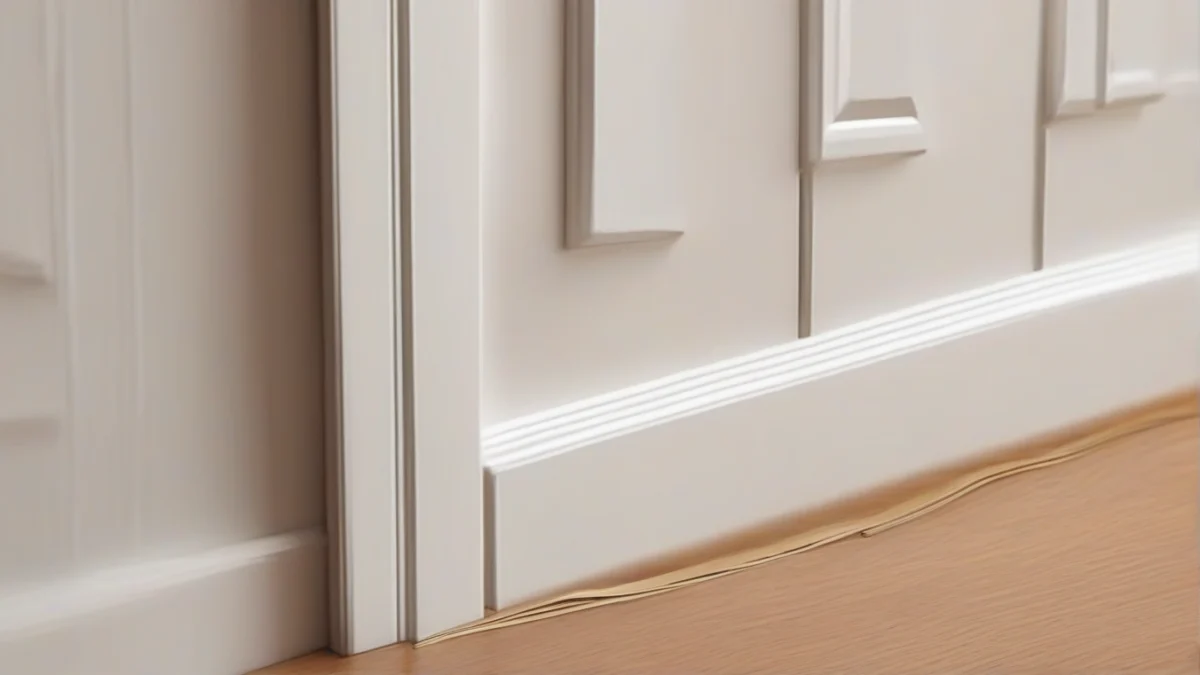
Apply weather stripping and caulk to seal gaps around windows and doors. Weather stripping blocks drafts on moving parts like window sashes and door edges. Caulk fills cracks in stationary frames and trim. Use silicone or latex caulk rated for exterior use.
Use thermal curtains to add insulation to windows. Thick, tightly woven curtains reduce heat loss through glass. Close them at night and on cold days to keep warmth inside. For sliding glass doors, heavy-duty thermal curtains or insulated window film designed for large glass surfaces help block drafts and reduce heat transfer.
Install draft stoppers at the base of doors leading to the outside or unheated rooms. These simple fabric tubes block cold air from slipping under doors. Closing doors to unused rooms traps heat in the living area, making your heater more effective.
- Seal Windows and DoorsRemove old weather stripping, clean surfaces, and apply new weather stripping and caulk to all gaps.
- Add Thermal CurtainsMeasure windows and sliding doors, then install thermal curtains or hang insulating window film.
- Block Door DraftsPlace draft stoppers at the base of doors and keep doors to unused rooms closed.
Choosing the Right Heating Source for Your Living Room
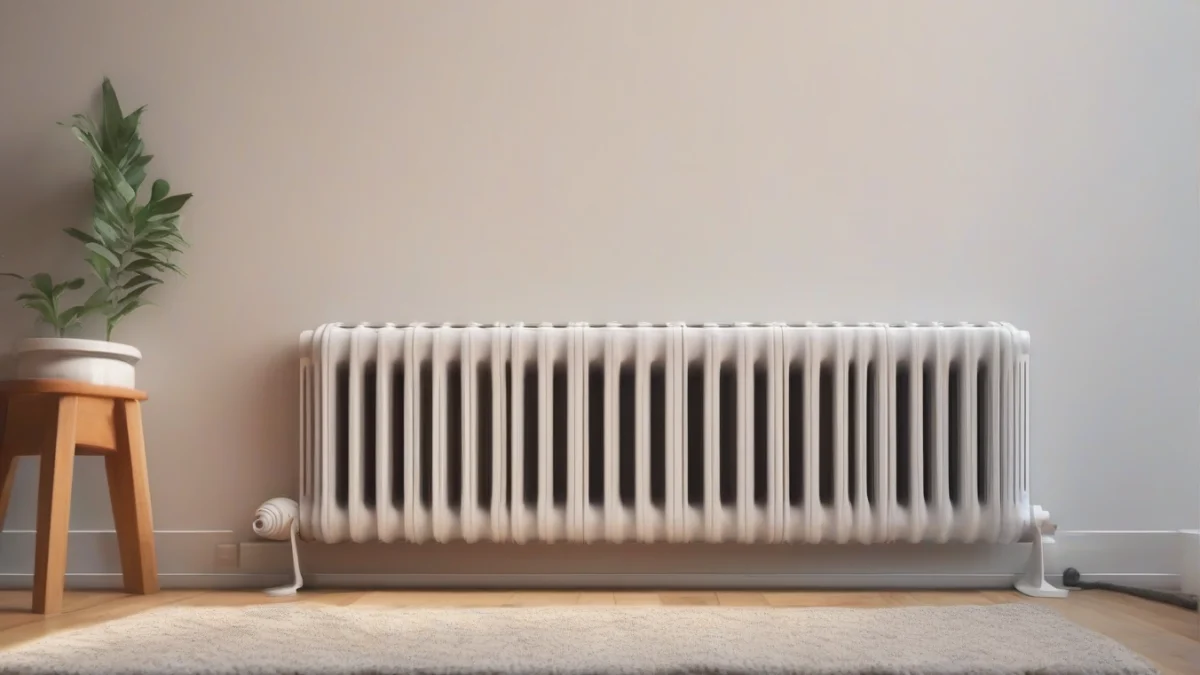
For a living room, an oil-filled radiator usually outperforms a panel heater. Oil-filled models keep radiating heat for a long time after they turn off, which saves energy if you run them intermittently. Panel heaters heat up and cool down quickly, so they suit short bursts of heat but waste energy if you want steady warmth.
Infrared heaters warm objects and people directly rather than the air. They work best in well-sealed rooms because drafts carry away the warmed air quickly. In drafty living rooms, infrared heaters feel less effective and waste power.
Fireplaces add ambiance and warmth but require proper ventilation and maintenance. Gas or wood fireplaces can heat a large area but may lose heat through the chimney if not sealed well. Use a fireplace door or insert to reduce heat loss when the fire is out.
Central heating systems provide even warmth throughout the house but depend on insulation and thermostat settings. They can be costly if you heat unused rooms. Supplement central heating with a space heater in the living room to lower overall energy use.
Quick Fixes and Low-Cost Hacks for Immediate Warmth
Rugs add insulation to cold floors by trapping air and reducing heat loss. Thick area rugs or layered rugs over tile or hardwood floors can raise floor temperature noticeably.
Slate floor tiles stay cold because stone has high thermal conductivity. Use rugs or insulated floor mats to reduce heat loss. For a basement bathroom with tile floors, install a radiant floor heating system or use a waterproof electric floor mat designed for warmth.
Move furniture away from heat sources and vents. Avoid blocking radiators or space heaters with sofas or curtains. This allows heat to circulate freely and warms the room faster.
Open curtains on sunny winter days to let sunlight warm the room naturally. Close curtains at sunset to trap heat inside. Higher indoor humidity feels warmer, so use a humidifier if the air is dry.
- Add RugsPlace thick rugs on tile or hardwood floors, especially near seating areas.
- Rearrange FurnitureKeep sofas and chairs away from radiators and vents to allow heat flow.
- Use SunlightOpen curtains during the day to let the sun heat the room, close them after dark.
- Increase HumidityRun a humidifier or place water containers near heat sources to raise humidity.
Frequently Asked Questions
What are some effective ways to insulate a living room?
How can I keep my living room warm during a power outage?
What type of space heater is best for large rooms?
Can I use my fireplace to heat my living room efficiently?
How do I prevent drafts from windows and doors?
What are the signs that my heating system needs repair?
If that sounds like your room, read up on insulation-free room heating next.
The other half of this decision is effective heating solutions.
