
Windy areas present unique insulation challenges for homes. Cold air can infiltrate through gaps and cracks, leading to discomfort and increased heating costs.
Insulating Your Home in Windy Climates
Start by sealing air leaks around windows, doors, and vents to stop drafts. Choose insulation materials that block wind and retain heat to improve comfort and reduce energy costs.
Air sealing is the first step because wind forces cold air through gaps, undoing any insulation. Use caulk or weatherstripping on cracks and gaps to create a tight barrier. Pay special attention to window frames, door edges, attic hatches, and vent openings where air leaks commonly occur.
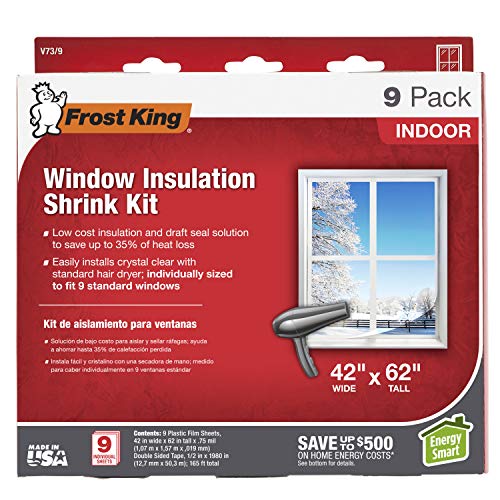
Windows are critical points for heat loss. You can insulate them without replacing by applying plastic film kits that shrink tight with heat, reducing drafts and condensation. The Frost King V73/9H Indoor Shrink Window Kit is durable and easy to install, making it a practical choice for windy climates.
Doors need tight weatherstripping on all sides and thresholds to block wind-driven air. Vents require insulated covers or baffles that still allow ventilation but reduce wind infiltration. Inspect these areas annually as weatherstripping can wear or shift.
Insulating mobile homes in windy climates requires extra care. Mobile homes have thinner walls and more exposed surfaces, so add rigid foam insulation under the floor and inside walls where possible. Seal all seams and joints tightly to stop cold air from entering. For winter, add insulated skirting around the base to reduce wind chill under the home.
For split-entry homes, the landing area under the entryway is often overlooked. Insulate under the landing with rigid foam board or spray foam to prevent cold air from seeping up. This step reduces drafts and heat loss in the main living areas above.
Choose insulation materials suited to windy climates: rigid foam panels resist air and moisture, spray foam seals gaps and adds R-value, and dense fiberglass batts reduce heat flow. Avoid loose-fill insulation alone since wind can push air through it if not sealed well.
For cold climates using propane heating, select systems designed for efficiency and safety in windy conditions. Propane furnaces with sealed combustion and variable-speed blowers maintain steady heat and reduce drafts. Combining insulation improvements with these systems cuts fuel use and keeps temperatures stable.
Follow safety guidelines for all insulation work. Wear protective gear when handling fiberglass or spray foam. Ensure vents for combustion appliances are clear and sealed properly. If unsure, consult a professional to avoid moisture or carbon monoxide problems.
Windproofing your home starts with stopping air leaks, then adding the right insulation materials where wind pressure is highest. This approach improves comfort and energy efficiency, especially in mobile or split-entry homes.
Identifying and Sealing Drafts
Cold drafts on windy nights enter through small gaps and cracks around your home’s exterior. Stopping them starts by finding where the air leaks. Even a narrow gap around a window or door frame can let in enough cold air to chill a room.

Use a simple test to locate drafts: on a windy day, hold a lit incense stick or a thin strip of tissue near suspected leak points like windows, doors, electrical outlets, and baseboards. The smoke or tissue will move noticeably if air is leaking.
Focus on sealing these common leak spots first. Windows and doors often have worn weatherstripping or gaps where frames meet walls. Electrical outlets on exterior walls can also leak air behind the cover plates.
- Seal Window DraftsReplace or add weatherstripping around window sashes. Use caulk to fill cracks in frames and between trim and siding. For older windows, consider adding interior storm windows or heavy curtains to reduce air movement.
- Seal Door DraftsInstall or replace door sweeps at the bottom of exterior doors. Add weatherstripping around door frames. Check thresholds for gaps and use foam or rubber seals. Don’t forget pet doors, which often leak air.
- Seal Electrical OutletsTurn off power and remove outlet covers on exterior walls. Install foam gaskets behind the covers to block drafts. Seal gaps around electrical boxes with low-expansion spray foam or caulk.
Thorough sealing is key. Missing even one gap can let a steady stream of cold air inside, negating other insulation efforts. Check your work on a windy day with the incense or tissue test again to confirm the leaks are sealed.
For homes with persistent drafts, a portable electric heater designed for drafty spaces can help maintain comfort. Models with thermostats and safety features like tip-over shutoff are best. See our guide for the best heaters for drafty homes for specific recommendations.
Sealing drafts complements insulation and heating choices. It reduces heat loss, lowers energy costs, and makes heaters more effective by keeping warm air inside. Learn more about how to windproof your home with proper insulation to improve comfort and efficiency.
Choosing the Right Insulation Materials
Effective insulation in windy climates must block air movement and retain heat. Fiberglass batts, spray foam, rigid foam boards, and mineral wool stand out for wind resistance and thermal performance.
Fiberglass batts fit between studs and joists. They are affordable and widely used but need careful installation to avoid gaps where wind can penetrate.
Spray foam seals gaps and cracks as it expands, creating an airtight barrier. Closed-cell spray foam offers higher R-values per inch and resists moisture, making it ideal for windy and damp areas.
Rigid foam boards provide continuous insulation on exterior walls or under siding. Their dense structure blocks wind and prevents thermal bridging, crucial for windy rural homes with exposed walls.
Mineral wool is denser than fiberglass and resists wind-driven moisture. It also offers fire resistance and soundproofing, suitable for areas near exterior walls and around chimneys.
| Material | Wind Resistance | Best Use Areas | Notes |
|---|---|---|---|
| Fiberglass Batts | Moderate | Interior walls, attics | Must fit tightly to avoid drafts |
| Spray Foam (Closed-cell) | High | Wall cavities, rim joists, gaps | Seals air leaks and adds moisture barrier |
| Rigid Foam Board | High | Exterior walls, basement walls | Prevents thermal bridging, durable |
| Mineral Wool | High | Exterior walls, fireplaces | Moisture and fire resistant |
Step-by-Step Weatherization Guide
Start your weatherization in the living room by focusing on large windows, which are major sources of heat loss and drafts in windy climates.
- Inspect Windows and DoorsLook for gaps, cracks, and worn weatherstripping around window frames and door edges. Use a flashlight at night or a smoke stick to detect air leaks.
- Seal Air LeaksApply high-quality caulk to fill cracks around window frames and door jambs. Replace or add weatherstripping if it is cracked, compressed, or missing.
- Add Window Insulation FilmInstall clear plastic insulation film on the interior of windows. This creates an air barrier that traps heat and reduces drafts without blocking light.
- Install Thermal Curtains or Cellular ShadesUse heavy-duty thermal curtains or cellular shades to add insulation. Close them at night or on windy days to reduce heat loss through glass.
- Insulate Walls and AtticCheck insulation levels in exterior walls and attic spaces. Add blown-in or batt insulation where R-values fall below local recommendations for windy areas.
- Seal Vents and OutletsInstall foam gaskets behind electrical outlets and switch plates on exterior walls. Use vent covers or adjustable dampers to control airflow in HVAC vents.
- Maintain and MonitorInspect weatherstripping and seals annually. Replace worn materials promptly to keep the barrier effective against wind-driven air.
When to Call a Professional
Call a professional if your home has extensive air leaks that are hard to locate or reach, or if you need to upgrade insulation in walls or attic spaces that require specialized equipment.
Professionals can perform energy audits using blower door tests and infrared cameras to identify hidden drafts and insulation gaps. This detailed analysis helps target weatherization efforts where they matter most.
Licensed contractors can also ensure proper ventilation and compliance with local building codes. Hiring experts reduces the risk of costly mistakes and improves overall energy efficiency.
If you notice persistent drafts despite your efforts, or if your heating bills remain high, an energy audit by a professional can pinpoint problems you might miss.
For detailed guidance on sealing drafts yourself, see How to Stop Cold Drafts on Windy Nights.
Frequently Asked Questions
What are the best methods for insulating mobile homes in winter?
How can I insulate windows without replacing them?
What insulation materials are recommended for windy climates?
How do I stop cold drafts on windy nights?
What are the signs that my home needs insulation?
How much does it cost to insulate a home in a windy area?
For the detail, see our notes on improving fixture insulation.
We go through keeping homes warm for seniors step by step in a separate article.
