
Cold rooms under stairs can be a frustrating issue in many homes. These spaces often struggle with drafts and lack proper insulation, making them uncomfortable during colder months.
Everlasting Comfort Draft Stopper vs Beoguy Draft Stopper at a Glance
| Feature | Everlasting Comfort Draft Stopper | Beoguy Draft Stopper |
|---|---|---|
| Heat Output and Insulation Effectiveness | Dense foam blocks drafts but does not produce heat | Thick silicone seals gaps effectively, no heat output |
| Running Costs | No ongoing cost after purchase | No ongoing cost after purchase |
| Safety Features | Flexible sleeve moves with door, no adhesives needed | Strong adhesive backing, may leave residue |
| Noise Reduction | Foam absorbs sound, light and odors | Triple-layer silicone reduces noise and drafts |
| Portability and Installation | Easy to install, slides on door, no tools required | Peel-and-stick adhesive, easy but less portable |
| Maintenance and Lifespan | Durable polyester resists wear, pets, water | Silicone resists heat and cold but adhesive may degrade |
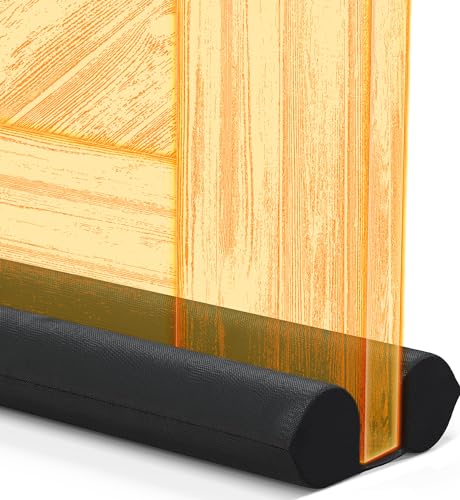
Everlasting Comfort Under Door Draft Stopper
- Door width fit30″ to 36″
- MaterialPolyester cover with foam
- InstallationSlide under door, no drilling or tape
- Floor compatibilityTile, hardwood, vinyl, low-pile carpet
- Blocks noise, light, and odors as well as drafts
- Easy install with no tools or tape needed
- Durable polyester cover resists damage from pets and kids
- Fits only doors 30″ to 36″ wide
- Requires cutting foam strips to size

Beoguy Door Draft Stopper Silicone Seal
- Length39 inches
- Width1.96 inches
- Gap fitUp to 1.5 inches
- MaterialThickened silicone
- Flexible silicone resists heat and cold
- Triple-layer blocks noise, drafts, light, and dust
- Strong, wide adhesive backing for secure attachment
- Adhesive may not stick well on dirty or rough surfaces
- Installation requires cleaning door surface first
Cold Room Under Stairs Problems
Cold rooms under stairs result mainly from poor insulation and air leaks. Fixing these issues means stopping drafts with draft stoppers or adding insulation to block cold air and retain heat.
The cold corner problem happens when staircases create an unheated space that traps cold air. This area often feels colder than the rest of the room because warm air circulates poorly and cold air seeps through gaps or thin walls.
Draft stoppers work by sealing gaps under doors or at stair edges where cold air enters. They are effective for stopping immediate drafts but do not add warmth themselves. Insulation improves the overall thermal barrier by reducing heat loss through walls and ceilings, making the whole space warmer.
| Solution | How It Works | Effectiveness | Best Use |
|---|---|---|---|
| Draft Stoppers | Block air leaks under doors or stairs | High for draft blocking, no heat generation | Quick fix for drafty gaps |
| Insulation | Adds thermal barrier to walls and ceiling | Improves overall room temperature | Long-term fix for cold rooms |
- Identify draftsCheck for cold air coming under doors or through gaps at the stair base.
- Apply draft stoppersPlace draft stoppers like the Everlasting Comfort model at door bottoms or stair edges to seal leaks.
- Check insulationLook for thin or missing insulation in walls or ceiling around the stair area.
- Add insulation if neededInstall foam board or fiberglass insulation to walls and ceiling to reduce heat loss.
Heat Output and Room Size
Draft stoppers like Everlasting Comfort and Beoguy do not produce heat but block cold air effectively. They fit standard door gaps up to about 1 inch thick and reduce cold drafts that chill stair landings and rooms under stairs.
For heating a cold room under stairs, a small electric space heater or heated blanket is necessary. Draft stoppers alone cannot raise room temperature but improve heater efficiency by preventing heat loss.
| Product | Heat Output (W) | Max Door Gap Fit (inches) | Draft Blocking Effectiveness |
|---|---|---|---|
| Everlasting Comfort Under Door Draft Stopper | 0 | 1 | High |
| Beoguy Door Draft Stopper | 0 | 1 | High |
To fix a cold stair landing, block drafts first and then add a heater sized for the room. A heater rated around 1,500 W covers about 150 square feet. Draft stoppers improve comfort by keeping warm air inside and cold air out.
Alternatives for cold rooms under stairs include adding insulation or installing a small panel heater. Insulation tackles the root cause by reducing heat loss, while panel heaters provide steady warmth without space heaters’ noise or fan dust.
Running Cost of Solutions
Cold air blowing under the door cools a room quickly. Using fabric draft stoppers blocks this air flow at a low upfront cost. The Everlasting Comfort and Beoguy draft stoppers slip under the door to seal gaps without electricity.
Insulating under stairs takes more effort and expense. Adding rigid foam board or spray foam can cost hundreds of dollars in materials and installation. But it reduces heat loss permanently, cutting heating bills over years.
Electric heaters raise the room temperature but add to monthly electric bills. A 1,500-watt heater running 8 hours daily uses 12 kWh. At 17 cents per kWh, that costs about $2 per day or $60 per month.
Draft stoppers cost a few tens of dollars each. Insulation costs several hundred dollars but reduces heating bills long term. A heater adds to monthly electric bills while running. Using fabric draft stoppers or adding insulation saves more money than running a heater continuously.
| Appliance | Watts | Per hour | Per day (8 h) | Per month (30 days) |
|---|---|---|---|---|
| 1,500 W space heater | 1,500 W | 26¢ | $2.04 | $61.20 |
Safety Considerations
A common reason a room stays cold despite a heater is a draft or poor insulation. Check for air leaks under doors and around stairs first before troubleshooting heaters further.
Draft stoppers use dense fabric materials like polyester or microfiber. These are flame-resistant but not fireproof. Choose products with a fire safety rating or certification for peace of mind.
Install draft stoppers so they fit snugly without bunching or folding. Bunched fabric can trap heat and pose a fire hazard. Follow manufacturer instructions carefully.
Heaters should have tip-over and overheat protection and be UL, ETL or CSA listed. Never leave electric heaters unattended or running while sleeping unless specified by the manufacturer.
If your heater trips breakers or won’t warm the room, check circuit load and heater placement. Drafts or poor insulation can make heaters less effective. Fix drafts first to improve safety and efficiency.
For insulation under stairs, use fire-rated materials and follow local building codes. Hiring a professional ensures compliance and reduces fire risks.
Noise Reduction Capabilities
A cold room under stairs often suffers from noise issues because the open stairwell acts as a sound channel. A fan at the bottom of the stairs pulling cold air back upstairs can add to ambient noise, making the space feel less comfortable.
Draft stoppers like the Everlasting Comfort and Beoguy models block air gaps under doors, which also reduces sound transmission. Their dense, foam-filled tubes absorb some sound waves, cutting down on noise from hallways or adjacent rooms.
Neither product is designed primarily for soundproofing, but users report a noticeable drop in noise levels when these draft stoppers are in place. They soften the abruptness of door slams and muffle voices traveling through the gap under the door.
| Draft Stopper Model | Sound Blocking Material | Effect on Room Acoustics |
|---|---|---|
| Everlasting Comfort | Memory foam core with microfiber cover | Moderate noise reduction; softens door slams and muffles hallway noise |
| Beoguy Door Draft Stopper | Dense foam with polyester cover | Similar noise reduction; slightly firmer, less flexible for tight seals |
Portability and Convenience
Insulating under stairs is the most effective way to stop cold air from seeping into the room. For warming a cold stair landing, blocking drafts with a door draft stopper is a quick, non-invasive method that requires no construction.
- Install the draft stopperSlide the draft stopper under the door. The Everlasting Comfort model fits snugly with no tools. Installation takes less than five minutes.
- Remove or repositionBoth Everlasting Comfort and Beoguy draft stoppers slide out easily for temporary use or cleaning. Their lightweight design makes repositioning hassle-free.
- Decide on permanenceDraft stoppers serve well as temporary or seasonal fixes. For a permanent solution, insulating the stairwell walls and ceiling is necessary but requires professional installation and more time.
Draft stoppers do not require wiring or fasteners. They suit renters or those avoiding permanent changes. Insulating under stairs improves overall home comfort but takes hours to days depending on materials and access.
Maintenance and Lifespan
Cold spots in rooms often come from gaps or thin insulation. Fixing these requires sealing leaks or adding insulation rather than just blocking drafts.
Cleaning involves occasional vacuuming or wiping with a damp cloth. Avoid machine washing as it can damage foam filling. Check for wear or tears that reduce draft blocking.
Users report draft stoppers lasting 2 to 5 years under normal use. Insulation installed under stairs lasts decades but needs no regular upkeep beyond occasional inspection for moisture or damage.
For long-term cold room fixes, invest in insulation. Draft stoppers are low-maintenance but replacement is expected every few years depending on wear.
