
Cold air seeping through window beadings can lead to discomfort and higher energy bills. Fortunately, with the right approach and materials, you can effectively seal these leaks yourself.
How to Stop Air Leaks From Window Beadings
Cold air leaks through window beadings reduce comfort and increase heating costs. Identify gaps and cracks around the window beading and frame. Use caulking for small cracks and weather stripping for larger gaps to create a tighter seal. This stops drafts and keeps warm air inside.
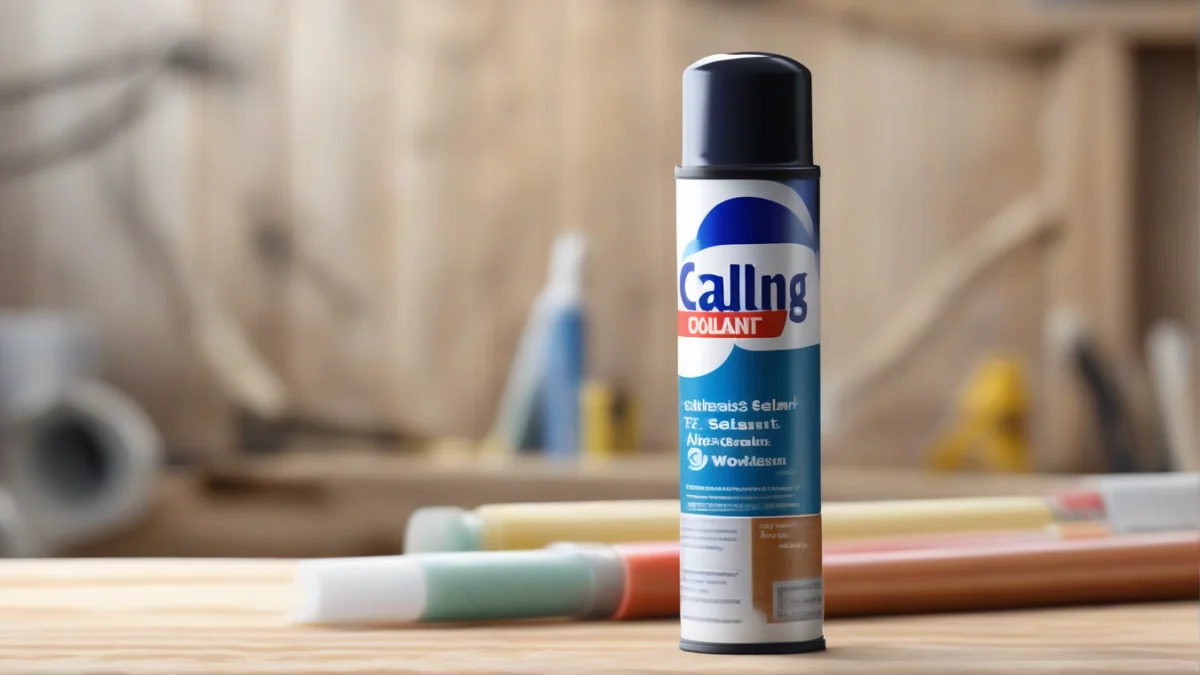
Window panel leaks often cause cold floors near bay windows because cold air seeps down the frame and chills the surrounding surfaces. Sealing the beadings prevents this by cutting off the air path.
Start by inspecting the beadings for cracks, gaps, or loose sections. Common leak points are where the beading meets the window glass, the frame, and the wall. Run your hand or a lit incense stick along the edges to feel or see air movement.
Necessary tools and materials include a caulk gun, silicone or acrylic latex caulk rated for windows, weather stripping tape or foam, a utility knife, a putty knife, and cleaning supplies like rubbing alcohol or soapy water.
- Clean the SurfaceRemove old caulk or peeling paint from the beading area. Clean dirt and dust with rubbing alcohol or soapy water and let dry completely.
- Apply Caulk to Small CracksUse a caulking gun to fill narrow cracks under 1/4 inch wide. Smooth the bead with a putty knife or your finger for an even seal.
- Install Weather Stripping on Larger GapsMeasure the gap and cut weather stripping to length. Press it firmly into place along the beading edges where cold air flows.
- Check for Loose or Damaged BeadingsIf the beading is loose or cracked, remove it carefully and replace with new trim. Secure it with finishing nails or adhesive before sealing edges.
- Test Your WorkAfter sealing, check for drafts again using your hand or incense. Reapply caulk or weather stripping if needed.
Sealing window beadings is a straightforward way to stop cold air leaks and improve comfort. For leaks around the frame or corners, consider other targeted fixes to keep your home warm and energy efficient. Learn more about how to stop cold air leaking through window frames for a complete approach.
Identifying Common Causes of Cold Air Leaks
Even small cracks and imperfect seals in window beadings can let cold air seep into your home. These leaks reduce comfort and increase heating costs. Understanding the causes helps you target the right fixes.
Materials around window beadings degrade over time. Wood can warp or shrink, vinyl can crack, and caulking can dry out and crumble. These changes create gaps where cold air slips through.
Temperature changes make the problem worse. Materials expand when warm and contract when cold. This constant movement stresses seals and joints, causing them to fail or pull apart.
Improper installation is another common cause. If beadings are not fitted tightly or the sealant is applied unevenly, gaps remain from the start. Even energy-efficient windows can leak if the beadings aren’t sealed properly.
Some materials hold up better against wear and temperature shifts. For example, flexible silicone caulk lasts longer than acrylic types. Choosing the right sealant and beadings material is important for durability.
Moisture can also damage beadings. Water that enters cracks can freeze, expanding to widen gaps. Over time, this cycle weakens the structure around the window frame.
Frequent use of windows adds wear. Opening and closing can loosen beadings or cause small cracks to grow. This is more common in older windows or those with lower-quality materials.
For more on sealing gaps around windows, see how to stop cold air leaking through window frames.
Step-by-Step Sealing Process
Start by cleaning the window beading and frame to remove dirt and old sealant. Apply caulking to small cracks and gaps, smoothing it with a putty knife. For larger gaps, install weather stripping along the beadings, pressing firmly to ensure a snug fit. Check for any missed spots and seal them to prevent cold air entry.
- Clean and Prepare the AreaRemove dust, dirt and old sealant from the window beading and frame using a stiff brush and a vacuum or damp cloth. Ensure the surface is dry before applying any sealant. This step is crucial for adhesion and longevity of the seal.
- Apply Caulking to Stationary GapsUse a quality exterior-grade silicone or latex caulk. Cut the tip of the caulk tube to match the gap size, usually 1/8 to 1/4 inch. Apply a smooth bead of caulk along the cracks where the window panel meets the frame or wall. Press the caulk into gaps with a caulking tool or your finger for a tight seal.
- Install Weather Stripping on Movable PartsChoose foam or rubber weather stripping sized to the gap around the operable window parts. Clean the surface again if needed. Peel off the backing and press the weather stripping firmly along the sash edges and frame where the window moves. This blocks drafts while allowing the window to open and close easily.
- Test for Drafts After SealingAfter the caulk and weather stripping have cured per the product instructions, check for remaining drafts. Hold a lit incense stick or candle near the sealed areas on a windy day. Watch for smoke or flame movement indicating air leaks. Reapply sealant or adjust weather stripping where needed.
Sealing window beadings correctly can reduce cold air infiltration significantly. This process improves comfort and lowers heating costs by cutting drafts. For more tips on stopping cold air leaking through window frames, see stop cold air leaking through window frames.
Temporary Solutions for Drafty Windows
A cold floor in a bay window often means cold air seeps through gaps in the window beadings or frame. Temporary fixes like draft snakes and window insulation tape can reduce drafts quickly. These stop air from flowing under the window or through visible cracks, giving immediate relief.
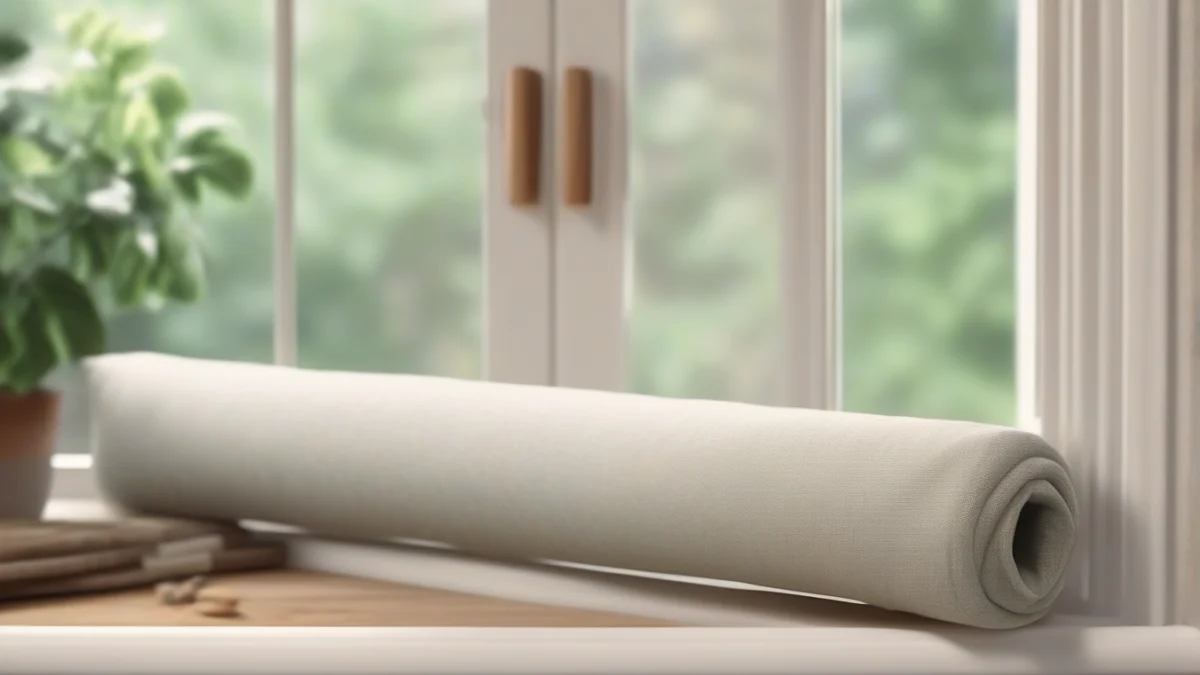
Draft snakes are fabric tubes filled with insulating material. Place them along the bottom edge of the window or where you feel the cold air. They block cold air from entering through gaps but only work where the opening is accessible and the gap is small.
Window insulation tape is a clear adhesive film you apply over window panes or beadings. It adds a thin barrier that reduces heat loss and blocks drafts. The tape works best on smooth surfaces and smaller cracks. It is not a substitute for sealing larger gaps or damaged beadings.
Both draft snakes and insulation tape are cheap and easy to install. They do not require tools or permanent changes. However, they wear out, peel off, or compress over time. They cannot fix structural gaps or damage that lets cold air flow freely.
Use these temporary fixes to reduce discomfort while you plan for permanent sealing. Caulking, weather stripping, or bead replacement provide lasting protection. Temporary solutions help in emergencies but should not replace thorough repairs.
- Quick to install without tools
- Affordable and reusable
- Reduces drafts from small gaps
- Wear out or lose effectiveness over weeks
- Cannot seal large or hidden gaps
- Do not improve insulation value
When to Call a Professional
If cold air leaks through the window panel itself, not just the beadings, this usually indicates damage or failure that needs expert help. A cracked pane, broken seals in double-pane windows, or warped frames cause persistent drafts that temporary fixes cannot stop.
Major structural issues include rotting wood, warped frames, or gaps too large for caulking or weather stripping. These require a professional to assess and repair or replace parts. Ignoring them can lead to worsening drafts, water damage, and higher heating costs.
Replacement is often necessary when windows are old, damaged, or inefficient. New windows with modern seals and insulated glass reduce drafts and improve energy savings. Installation requires skill to maintain frame integrity and proper sealing.
Call a professional if your window panel leaks cold air despite sealing the beadings, or if you see visible damage or condensation between glass layers. This ensures the problem is fixed safely and effectively, avoiding recurring drafts and potential structural harm.
Benefits of Sealing Window Beadings
Sealing window beadings stops cold air leaks at their source. This reduces the need for your heating system to work harder, which lowers energy use and cuts heating bills. A well-sealed window bead can save about 10% to 25% on heating costs depending on your home’s insulation and climate.
Cold air drafts make rooms uncomfortable and cause uneven temperatures. Sealing beadings keeps indoor air warmer and more consistent. It also reduces cold spots near windows where condensation can form, which helps protect wood and paint from moisture damage.
Better sealing improves indoor air quality by blocking dust, pollen, and outdoor pollutants from entering through gaps. This is especially important for people with allergies or respiratory conditions. A tight seal also reduces noise from outside.
Sealing window beadings is a simple, low-cost step that improves comfort, cuts energy bills, and protects your home. It complements other measures to stop cold air leaking through window frames and other areas stop cold air leaking through window frames.
Frequently Asked Questions
What materials can I use to seal window beadings?
How can I tell if my window is leaking cold air?
What is the best way to apply caulking?
How long does it take for caulking to dry?
What are the signs my window needs to be replaced?
Can temporary fixes like draft snakes be effective long-term?
Readers in this position usually ask about stop drafts from patio doors as well.
If that sounds like your room, read up on how to fix wooden window drafts next.
