
Insulating an attic bedroom with dormers can be a challenging but rewarding project. Proper insulation will help prevent extreme temperatures and moisture issues, making your space more livable year-round.
Insulating an Attic Bedroom with Dormers
Start by sealing all air leaks around the dormer and attic bedroom before adding insulation. Then choose insulation material suited to your climate and room use. Follow a clear installation process to keep heat in and cold out.
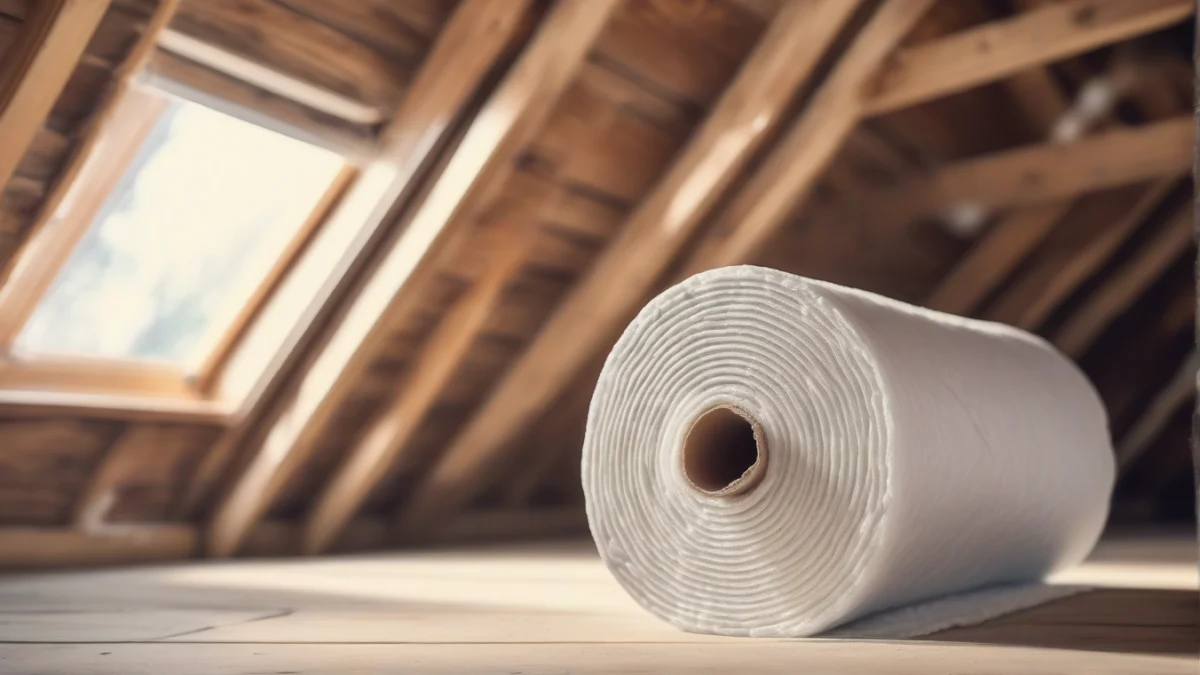
When converting part of an attic into a bedroom, the key is to insulate the walls and ceiling between the attic space and the new room. Dormers add complexity by creating extra edges and corners where air can leak. Use caulk or spray foam to seal gaps around window frames, wall joints, and the dormer edges. This prevents drafts and moisture problems.
If you rent and cannot alter the structure, focus on removable insulation options like insulated window covers and draft stoppers. High heat in summer means you should choose insulation that also reflects radiant heat, such as foil-faced foam board or bubble insulation. This keeps the room cooler without permanent changes.
- Identify Air LeaksCheck for drafts around dormer windows, vents, and attic access doors. Use a smoke pencil or feel with your hand on a cold day.
- Seal GapsApply caulk or expanding foam to seal cracks. Weatherstrip attic doors and add insulation covers to block heat transfer.
- Choose InsulationSelect batt, spray foam, or rigid foam board insulation based on R-value needs and space constraints.
- Install InsulationFit insulation snugly between studs and rafters without compressing it. Cover with a vapor barrier if local codes require.

Dormer walls often have less insulation than main attic areas. Add insulation to these framed sections carefully to avoid gaps. Use insulation with an R-value appropriate for your climate zone—higher in cold regions. If you expect to heat the bedroom regularly, invest in insulation that balances thermal resistance and moisture control.
Dormers can cause condensation if not insulated and ventilated properly. Always follow manufacturer instructions and local building codes. A vapor barrier on the warm side of insulation helps prevent moisture buildup, which can damage wood and reduce insulation effectiveness.
Effective insulation reduces heating costs by keeping warm air inside during winter and blocking heat in summer. For example, a 1,500-watt space heater running 8 hours daily at 17 cents per kWh costs about $6.12 monthly. Better insulation lowers how long you run the heater.
| Appliance | Watts | Per hour | Per day (8 h) | Per month (30 days) |
|---|---|---|---|---|
| 1,500 W space heater | 1,500 W | 26¢ | $2.04 | $61.20 |
| Heated blanket | 100 W | 1.7¢ | 14¢ | $4.08 |
For detailed guidance on insulating loft bedrooms, see How to Insulate a Loft Bedroom for Comfort. This covers insulation choices and installation tips tailored to attic conversions.
Choosing the Right Insulation Material
Select insulation material based on R-value, installation ease, and your attic bedroom’s climate. R-value measures how well insulation resists heat flow; higher numbers mean better insulation. For most attic bedrooms, aim for R-30 to R-49 depending on your local climate zone.
Fiberglass batts are common. They come in pre-cut panels that fit between studs and joists. Fiberglass offers R-values around 2.9 to 3.8 per inch. It’s affordable and DIY-friendly but requires careful cutting and fitting to avoid gaps that reduce effectiveness.
Spray foam insulation seals air leaks and adds R-value simultaneously. Closed-cell spray foam has an R-value near 6 per inch and acts as a vapor barrier. It is more expensive and usually needs professional installation due to specialized equipment and safety precautions.
Rigid foam boards provide high R-values (up to 5 per inch) and add structural support. They are good for dormer walls and sloped ceilings. Cutting and fitting rigid foam is manageable for experienced DIYers but can be tricky around irregular shapes.
Blown-in cellulose or fiberglass fits irregular cavities well and can fill gaps around dormer framing. Cellulose has an R-value around 3.2 to 3.8 per inch and is made from recycled materials. It often requires rented equipment or professional installation.
| Insulation Type | Typical R-Value per Inch | DIY Friendly | Cost Level | Best Use Case |
|---|---|---|---|---|
| Fiberglass Batts | 2.9–3.8 | Yes | Low | Standard stud cavities and joists |
| Closed-Cell Spray Foam | ~6 | No | High | Air sealing and high R-value in tight spaces |
| Rigid Foam Board | 4.5–5 | Moderate | Medium | Dormer walls, sloped ceilings |
| Blown-In Cellulose | 3.2–3.8 | Moderate | Medium | Irregular cavities and retrofit jobs |
Consider your climate: colder regions need higher R-values to keep heat in. Warmer climates benefit from insulation that also blocks moisture and heat gain. Check local building codes for minimum R-values in attic spaces before buying.
DIY installation suits fiberglass batts and rigid foam boards if you have basic carpentry skills and proper safety gear like masks and gloves. Spray foam and blown-in cellulose usually require professionals because of equipment and health risks from airborne particles or chemicals.
Professional installers can ensure proper air sealing, correct thickness, and no gaps. They also handle tricky dormer shapes more efficiently. For a tight budget and straightforward cavities, DIY can work well, but for complex dormers or high-performance insulation, professional help is worth the cost.
- Affordable and widely available
- Easy for most DIYers to install
- Non-flammable and mold resistant
- Must fit tightly to avoid heat loss
- Can irritate skin and lungs during install
- Lower R-value compared to spray foam
- High R-value per inch
- Seals air leaks and moisture
- Adds structural strength
- Requires professional installation
- Higher upfront cost
- Chemical fumes during application
Steps for Insulating Your Dormer
- Inspect and Seal Air LeaksCheck for gaps around windows, framing and between the dormer and main roof. Use low-expansion spray foam or caulk to seal leaks. Air sealing prevents warm air loss and moisture intrusion.
- Prepare the SurfaceRemove old insulation and debris. Ensure the wood framing and sheathing are dry and free of mold. Install a vapor barrier if your climate requires it, typically on the warm side of the insulation.
- Install InsulationCut insulation batts or rigid foam panels to fit snugly between dormer studs and rafters. Avoid compressing fiberglass or mineral wool batts, as this lowers R-value. For spray foam, apply evenly to fill cavities completely.
- Manage MoistureCheck that ventilation paths remain clear to prevent condensation. Use a breathable membrane or house wrap outside the dormer sheathing if replacing siding. Proper moisture control protects wood framing and insulation performance.
- Finish with Drywall or PanelingCover insulated cavities with drywall or wood paneling. This adds fire resistance and protects insulation from damage. Seal around electrical boxes and fixtures to maintain the air barrier.
Common Mistakes to Avoid
- Inspect for Air LeaksLook at all joints, especially around dormer framing and window casings. Seal any cracks or holes with appropriate materials.
- Install Vapor BarrierLay a continuous vapor barrier on the warm side of insulation, sealing overlaps and edges to prevent moisture migration.
- Fit Insulation Without Gaps or CompressionCut insulation to size, fill spaces fully but avoid squeezing. Keep insulation away from recessed lighting unless rated for contact.
- Maintain Ventilation PathsDo not block soffit or ridge vents. Use baffles or vent chutes to keep airflow channels open above insulation.
Frequently Asked Questions
What are the benefits of insulating an attic bedroom with dormers?
How do I seal air leaks in my attic bedroom?
What insulation R-value do I need for my attic?
Can I insulate my attic bedroom myself?
What are the signs of poor insulation in an attic?
How much does it cost to insulate an attic bedroom?
We go through keeping utility rooms warm step by step in a separate article.
We go through insulation tips for detached rural homes step by step in a separate article.
