
Skylights add natural light to your home but can also be a source of heat loss, leading to discomfort and higher energy bills. Understanding how heat escapes through skylights is the first step in addressing this issue effectively.
How to Reduce Heat Loss Through Skylights
Skylights lose heat mainly through conduction, convection, and radiation. To reduce heat loss, seal air leaks, add insulating window treatments, and consider professional upgrades if necessary.
Heat passes through skylights by conduction when warm indoor air transfers through the glass to the colder outside. Single-pane glass is the worst for conduction heat loss because it has no insulating layer. Double or triple glazing with inert gas fills reduces conduction by trapping heat between glass layers.
Convection heat loss happens when cold air leaks around skylight frames or through gaps. These leaks create drafts and lower indoor temperature. Sealing gaps with weatherstripping or caulk stops this air exchange.
Radiation heat loss occurs when infrared heat escapes through the glass. Low-emissivity (Low-E) coatings reflect radiant heat back inside, reducing heat loss without blocking visible light.
- Inspect for draftsCheck skylight edges and frames for air leaks by feeling for cold spots or using a smoke pen. Seal any gaps with silicone caulk or foam tape.
- Apply insulating window treatmentsInstall cellular shades or insulated blinds designed for skylights. These trap air and reduce heat transfer through the glass.
- Consider adding storm panelsStorm panels create an extra barrier against heat loss. They attach inside or outside the skylight frame and improve insulation.
- Schedule a professional upgradeIf your skylight is old or single-pane, a professional can replace it with energy-efficient double or triple-pane models with Low-E glass and insulated frames.
To reduce heat gain through the roof in summer, use reflective window films or shades that block solar radiation. These treatments lower cooling costs by preventing excess heat from entering.
Regular maintenance is important. Check seals and treatments annually to ensure they remain effective. Damaged weatherstripping or cracked glass worsens heat loss.
For detailed sealing techniques and product recommendations, see 5 Ways to Reduce Heat Loss Through Your Skylights.
Inspecting for Air Leaks
Air leaks around skylights let cold air in and warm air out. Start by looking for drafts on a cold, windy day. Hold your hand near the skylight edges and the frame to feel for moving air.

- Check the Skylight WellInspect the skylight well from below. Look for gaps where the frame meets the ceiling or roof. These gaps often cause the biggest heat loss.
- Use a Flashlight TestAt night, turn off inside lights and shine a flashlight around the skylight edges from inside. If you see light escaping outside, that means there’s a gap.
- Seal Gaps with Caulk or FoamApply silicone caulk or low-expansion spray foam to seal visible gaps. Avoid overfilling or blocking vents that prevent condensation.
- Inspect the WeatherstrippingCheck the condition of any weatherstripping around operable skylights. Replace cracked or hardened strips to restore a tight seal.
Properly sealing leaks can reduce heat loss through the skylight frame. Also check the floor below the skylight for cold spots or drafts, as gaps in flooring or around vents can let heat escape. For more on reducing heat loss through floors, see heat lose from floor.
Installing Insulating Window Treatments
Adding insulating window treatments to skylights cuts heat loss through glass by trapping air and blocking radiant heat. Several types work well.
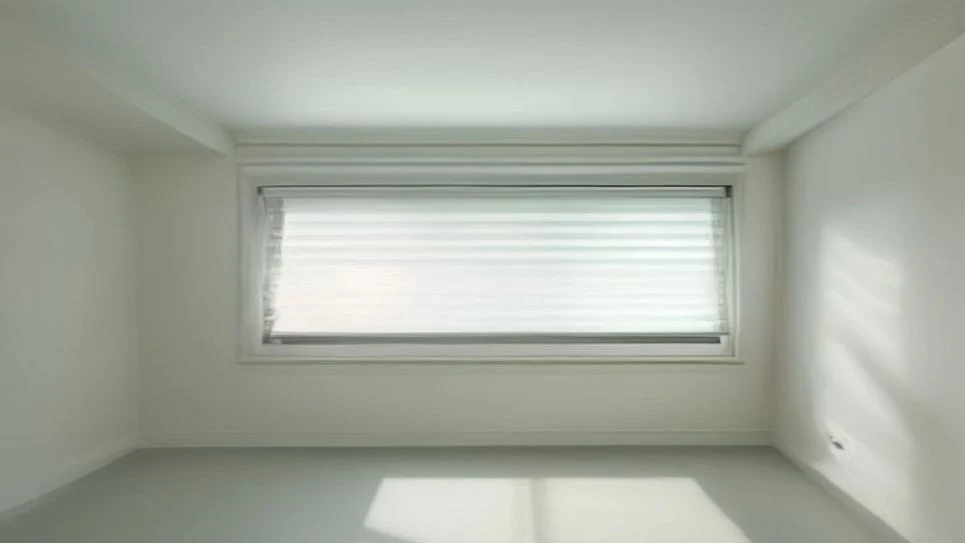
Cellular shades are popular for skylights. Their honeycomb design traps air in pockets, boosting insulation. They also fit tightly to the frame, reducing drafts.
Reflective films reduce heat loss by reflecting infrared radiation back inside. They work best when combined with other treatments since they don’t stop air leaks.
Thermal curtains or blinds add layers of fabric that slow heat transfer. Choose heavier fabrics with thermal backing for best results.
- Measure the SkylightMeasure width and length precisely before buying treatments to ensure a snug fit.
- Choose the Right Mounting MethodSelect inside mount for a clean look and better seal, or outside mount if the frame won’t support inside attachments.
- Install According to InstructionsFollow the manufacturer’s steps carefully. Use appropriate hardware and check that the treatment fits tight against the glass and frame.
To reduce heat loss through windows generally, insulating treatments are key. Skylights are no different. They need tight-fitting, well-installed treatments to be effective. For more on window insulation options, see how to reduce heat loss through windows.
When to Upgrade Your Skylight
Upgrading your skylight becomes necessary when sealing and insulating no longer stop drafts or reduce heat loss effectively. Look for persistent condensation between glass panes, cracked or damaged seals, or visible frame deterioration. These signs mean the skylight’s energy performance has declined beyond simple repairs.
Energy-efficient glazing options can significantly cut heat loss. Double or triple-pane skylights with low-emissivity (Low-E) coatings reflect infrared heat back inside, reducing both conduction and radiation losses. Argon or krypton gas fills between panes add insulation by slowing heat transfer through convection.
| Glazing Type | U-Value (Lower Is Better) | Benefits |
|---|---|---|
| Single-pane | ~1.0 | Least energy efficient, common in older skylights |
| Double-pane Low-E | ~0.3 to 0.4 | Good insulation, reduces heat loss and UV damage |
| Triple-pane Low-E with Gas Fill | ~0.2 to 0.3 | Best insulation, ideal for cold climates |
Frequently Asked Questions
What are the main ways heat escapes through skylights?
How can I check for drafts around my skylight?
What types of insulating window treatments are available?
When should I consider replacing my skylight?
How can I improve energy efficiency with my skylight?
What maintenance should I perform on my skylight?
If that sounds like your room, read up on preventing conservatory roof drafts next.
If that sounds like your room, read up on thermal curtains options next.
