
Creating a comfortable nursery for your baby is crucial for their safety and sleep quality. Maintaining the right temperature can help prevent overheating, which is linked to serious health risks.
How to Keep Your Baby’s Room at a Comfortable Temperature
Keep your baby’s room between 68°F and 72°F for a safe, comfortable environment. Use a reliable thermometer and a hygrometer to monitor temperature and humidity, and apply safe heating or cooling methods as needed.
Start by measuring the room’s temperature and humidity regularly. Infants are sensitive to extremes, so a temperature below 68°F can cause cold stress, while above 72°F risks overheating. Humidity should stay between 30% and 50% to avoid dry air or mold growth.
If the room has a skylight, it can overheat during sunny days. Use blackout blinds or thermal curtains designed for skylights to reduce heat gain. Opening windows during cooler times helps ventilate and lower temperature without risking drafts during cold weather.
Small rooms heat up and cool down faster than large ones. To reduce temperature in a small baby room, avoid heat sources like direct sunlight through windows or electronics near the crib. Use a small fan on a low setting for gentle air circulation, ensuring it is placed safely away from the baby and cords.
- Check Room Temperature and HumidityPlace a thermometer and hygrometer at the baby’s breathing level. Check readings several times daily to catch fluctuations.
- Adjust Heating or Cooling SafelyUse a space heater with tip-over and overheat protection if heating is needed, or a portable air conditioner or fan for cooling. Never place heaters or fans close to the crib or bedding.
- Control Light and VentilationInstall thermal or blackout curtains on windows and skylights to block heat or cold. Open windows briefly when outdoor temperature is safe to ventilate and reduce humidity.
- Select Appropriate Sleepwear and BeddingDress the baby in one layer more than an adult would wear in the same environment. Use a wearable blanket or a sleep sack instead of loose blankets to avoid suffocation risks.
Safe heating methods include oil-filled radiators or ceramic heaters with built-in safety features. Avoid unvented fuel-burning heaters indoors due to carbon monoxide risk. Cooling with a fan or air conditioner should be gentle and never directed at the baby.
Choose lightweight, breathable bedding materials like cotton. Avoid heavy quilts or comforters. Layering sleepwear allows adjusting for temperature changes during the night.
| Appliance | Watts | Per hour | Per day (8 h) | Per month (30 days) |
|---|---|---|---|---|
| 1,500 W space heater | 1,500 W | 26¢ | $2.04 | $61.20 |
| Small fan | 30 W | 0.5¢ | 4.1¢ | $1.22 |
Monitoring tools and safe heating or cooling methods keep the room stable. Adjust sleepwear and bedding to match the monitored conditions. This approach helps prevent temperature extremes and ensures infant comfort and safety.
For rooms with skylights or small spaces, controlling heat gain and air circulation is key. Blackout curtains and safe fans provide practical solutions. For more on managing heat in rooms with large windows or skylights, see How to Keep Heat in Rooms with Large Windows.
Safe Heating Solutions for Cold Months
Use safe heating methods designed for nurseries to keep your baby’s room warm in cold months. Electric space heaters with tip-over and overheat protection are the best choice. Avoid fuel-burning heaters indoors due to carbon monoxide risks.
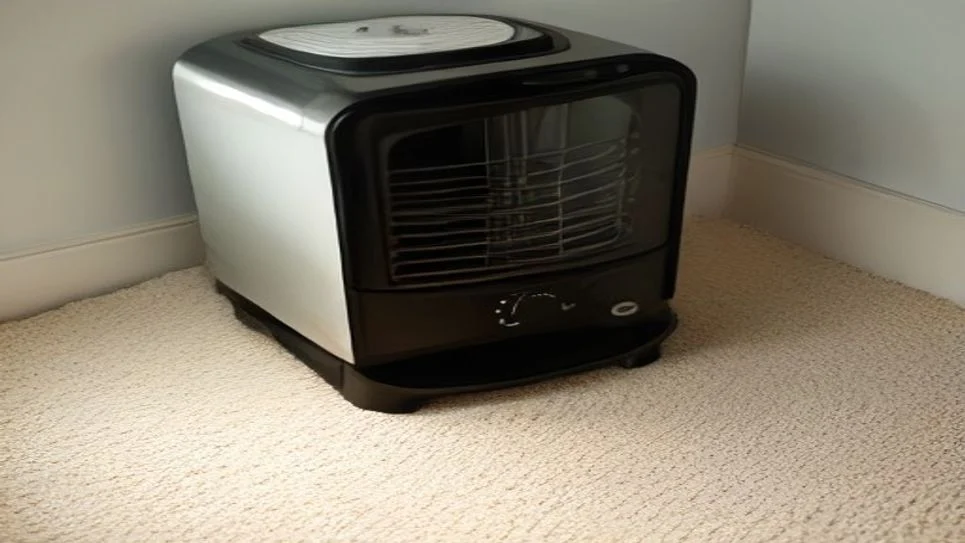
- Choose the Right HeaterPick an electric heater certified by UL, ETL, or CSA. Models with automatic shut-off and adjustable thermostats maintain steady temperatures without overheating.
- Position the Heater SafelyPlug the heater directly into a wall outlet. Keep it at least 3 feet away from bedding, curtains, and toys. Never use extension cords or power strips.
- Control the Room TemperatureSet the heater thermostat between 68°F and 72°F. Monitor the temperature with a reliable room thermometer to avoid overheating.
- Add Insulation and Draft ProofingSeal windows and doors with weather stripping or draft stoppers to keep heated air inside. Use heavy curtains to reduce heat loss through windows.
Effective Cooling Strategies for Warm Weather
Manage sunlight and airflow to keep your baby’s room cool during hot weather. Controlling heat gain from windows and skylights reduces the need for mechanical cooling.
- Block Direct SunlightUse blackout curtains or blinds on windows and skylights that receive direct sun. This prevents the room from heating up excessively during the day.
- Create Cross-VentilationOpen windows on opposite sides of the room to encourage airflow. This natural ventilation helps lower room temperature without fans or air conditioning.
- Use Fans SafelyA ceiling or oscillating fan can improve air circulation but does not cool the air. Keep fans out of reach of your baby. Avoid pointing fans directly at your baby to prevent chills.
Choosing the Right Sleepwear and Bedding
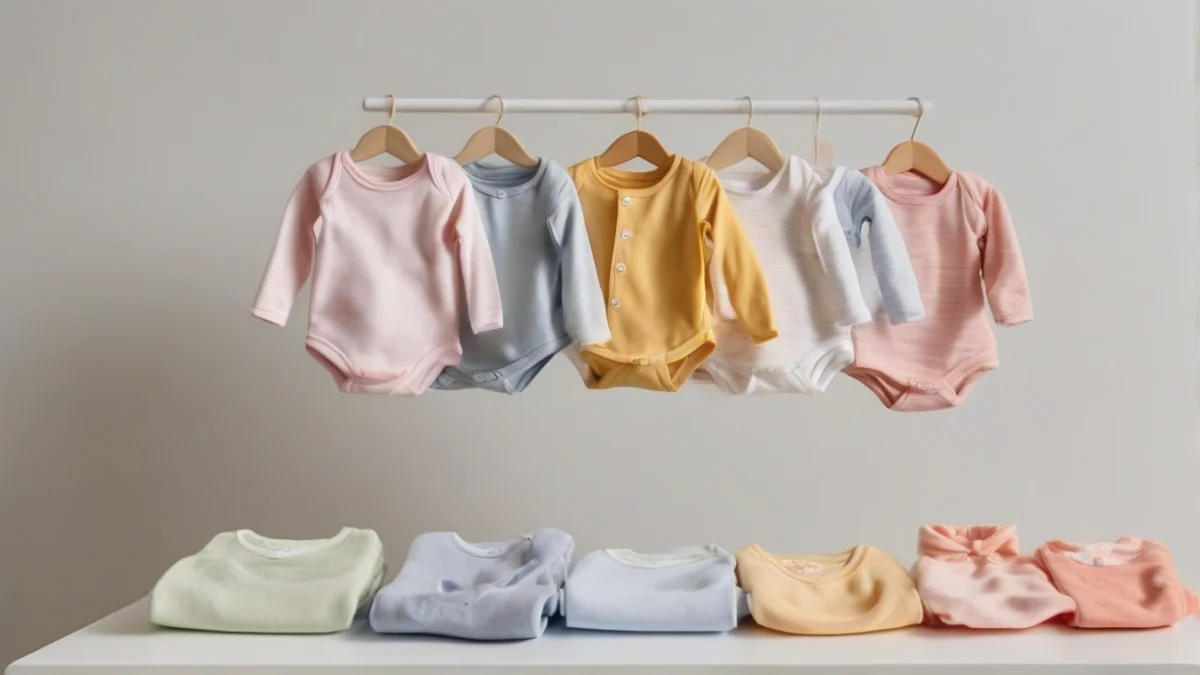
Sleepwear for infants should match the room temperature to keep them comfortable and safe. The TOG rating system helps you pick the right clothing and bedding: it measures thermal insulation with higher numbers meaning warmer fabrics.
| Room Temperature (°F) | Recommended TOG Rating | Sleepwear Suggestions |
|---|---|---|
| 68 to 72 | 0.5 to 1.0 | Light cotton onesie or sleepsuit |
| 60 to 68 | 1.0 to 2.5 | Long-sleeve sleepwear with a wearable blanket |
| Below 60 | 2.5 to 3.5 | Layered sleepwear with a heavier sleep sack or blanket |
| Above 72 | Less than 0.5 | Lightweight, breathable fabrics or just a diaper |
- Check the Room TemperatureUse a room thermometer to see if the nursery is within the 68°F to 72°F comfort range or colder, then pick sleepwear accordingly.
- Layer Clothes CarefullyStart with a base layer like a cotton onesie. Add a sleep sack or blanket with the right TOG rating but avoid bulky layers that restrict movement.
- Avoid OverheatingSigns include sweating, flushed cheeks, or damp hair. Remove layers if you see these signs to prevent heat stress.
Essential Monitoring Tools and Safety Checks
Reliable monitoring tools help maintain safe conditions in your baby’s room. A digital thermometer with a clear display shows the current temperature. A hygrometer tracks humidity, which should stay between 30% and 50% to avoid mold or dryness.
- Install Thermometer and HygrometerPlace them away from direct sunlight, heaters, or vents for accurate readings.
- Check Readings DailyLook for temperatures between 68°F and 72°F and humidity in the recommended range. Adjust heating, cooling, or ventilation as needed.
- Inspect Devices MonthlyConfirm batteries are working and displays are clear. Replace any device that shows inconsistent or no readings.
Replace monitoring tools every two to three years or sooner if they fail to provide accurate readings. Keep spare batteries on hand and follow manufacturer instructions for maintenance. Regular safety checks also include inspecting heaters, cords, and outlets for damage or overheating signs.
Frequently Asked Questions
What is the ideal temperature for a baby’s room?
How can I safely heat my baby’s room in winter?
What are the best ways to cool a baby’s room in summer?
What sleepwear is best for my baby based on room temperature?
What monitoring tools do I need for my baby’s room?
When should I replace my nursery thermometer?
The other half of this decision is improving heat efficiency in tall rooms.
It helps to understand tips for a warmer room before spending anything.
