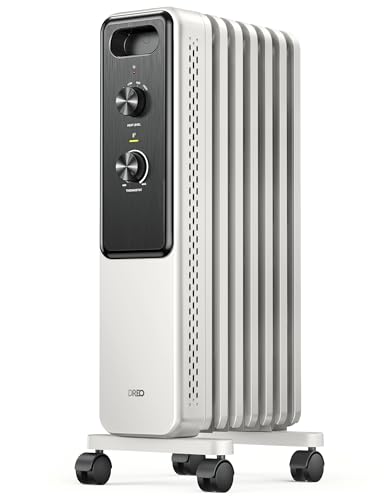
You want a warm room that stays warm. Not a blast of heat followed by a chill. That’s the promise of an oil-filled radiator: a stable room temperature that feels natural and consistent. Unlike heaters that cycle on and off dramatically, these units are masters of subtlety and endurance, providing consistent heat that lingers.
Think of them as thermal batteries. They store heat exceptionally well and release it slowly and evenly. This makes them a top choice for bedrooms, home offices, or any space where you want to maintain a steady temperature for hours. For a reliable model that exemplifies these principles, many users find success with the Pelonis Oil Filled radiator, known for its quiet operation and effective heat retention.
How Oil-Filled Radiators Generate and Retain Heat
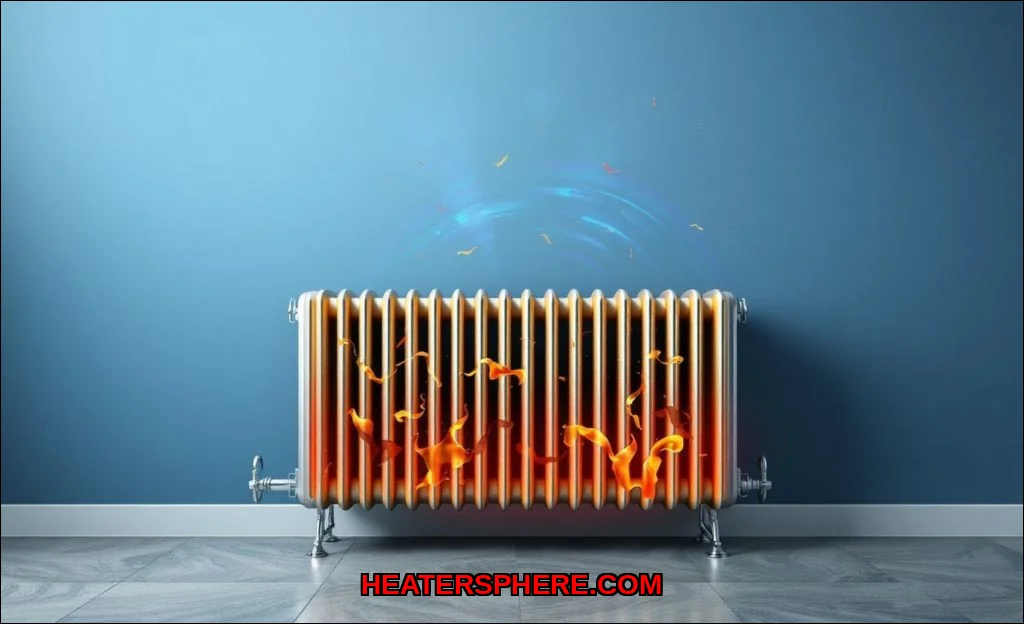
An oil-filled radiator is a sealed system. Inside its columned fins is diathermic oil, a specialized fluid with a high boiling point. Here’s the simple process: an electric element heats the oil. The hot oil then circulates throughout the unit’s body, warming the metal fins. The heat then transfers to your room in two key ways.
First, you get radiant heat. The hot metal surfaces emit infrared energy, warming solid objects and people directly in its pathmuch like the sun warms your skin. This is a very comfortable, direct form of warmth. Second, you get convection heating. As the fins heat the air around them, that air rises, creating a gentle convection current. Cooler air is drawn in at the base, heated, and rises, circulating warmth throughout the space. This dual-action approach is central to achieving even heat distribution. If that sounds like your room, read up on evaluating oil heater efficiency next.
The Core Principle: Thermal Mass
The secret weapon is thermal mass. This is the property that allows a material to absorb, store, and slowly release heat. Diathermic oil and the heavy-gauge steel fins together create a significant thermal mass. Once warmed, this mass wants to stay warm. It resists rapid temperature changes.
This is where the concept of specific heat capacity comes ina missing entity in many discussions. It’s a measure of how much energy a substance can store. Oil has a higher specific heat capacity than air or even metal alone. This means the oil-filled radiator stores more heat energy per degree of temperature rise than other heater types. That stored energy is what provides the long-lasting warmth even after the electricity cycles off.
The Science of Thermal Mass and Stable Temperatures
This high thermal mass directly translates to thermal stability in your room. It creates a buffer against temperature swings. Let’s break down the science of why this works so well for maintaining comfort.
When the thermostat clicks on, the heater works to warm its internal mass. This takes a little time initially. Once at temperature, the heater enters a state of steady-state operation. It cycles on only briefly to “top up” the heat in the thermal mass, which then continues to radiate and convect heat steadily into the room. The result is minimal temperature fluctuation. You avoid the “peak and valley” cycle of a fan heater that blasts hot air, shuts off, and lets the room cool quickly.
Understanding Heat Loss and Room Size
A critical factor for stability is the heat loss rate of your space. Every room loses heat through walls, windows, and doors. A heater’s job is to replace that lost heat. An oil radiator’s sustained output matches a moderate, consistent heat loss rate beautifully. For larger rooms or very drafty spaces, the room size correlation is key. You need sufficient thermal mass (a radiator with enough fins and oil capacity) to overcome the heat loss. An undersized unit will struggle to maintain stability, working too hard and losing efficiency.
This is precisely why oil heaters are excellent for all-night use. Their slow cool down period means that even if the thermostat is satisfied and the element turns off, the radiator continues to emit warmth for a considerable time. You’re not left with a cold box as soon as the power cuts. This gentle decay of heat is far more conducive to uninterrupted sleep than the abrupt silence and rapid cooldown of other heaters. We cover oil radiator vs. convection heater: which warms deeper in its own guide.
Energy Efficiency: Sustained Heat vs. Cycling
This method of operation is inherently energy efficient heating. Efficiency here isn’t about converting 100% of electricity to heat (all electric heaters do that). It’s about how effectively that heat is delivered and managed to maintain comfort with minimal electricity use.
An oil radiator’s efficiency comes from reduced cycling. A typical fan heater might cycle on and off every few minutes because it heats the air directly. Air cools quickly, so the thermostat constantly calls for more heat. Each startup surge uses extra energy. In contrast, an oil heater has longer, less frequent cycles because its thermal mass holds heat. It maintains temperature with fewer electrical surges, which can save on energy costs over time, especially when used for long periods. You get more consistent warmth for your kilowatt-hour.
Safety and Practical Benefits of Steady Heating
The safety profile of oil-filled radiators is a major advantage stemming from their design. The surface gets hot, but not as dangerously hot as the heating element in some other heaters. There are no exposed coils or fast-spinning fan blades. The steady temperature output also means no sudden bursts of superheated air that can stir up dust or allergens.
From a practical standpoint, the stability they offer means you can set a thermostat and forget it. The room won’t overheat, and you won’t experience chilly drafts between cycles. This consistent environment is better for wood furniture, musical instruments, and even indoor plants that dislike temperature swings. Plus, they operate silentlyno fan noise to disrupt your concentration or sleep.
Oil Radiators vs. Other Heater Types for Consistency
How do oil filled radiators maintain temperature compared to others? The difference is stark when you look at the alternatives.
Compared to fan heaters, oil radiators win on consistency and quiet operation. Fan heaters provide instant but localized heat that dissipates quickly, leading to the cycling problem. For whole-room, sustained warmth, an oil radiator is superior. This is a key consideration when weighing an oil radiator vs fan heater for consistent heat.
The comparison with ceramic heaters is closer. Ceramic heaters also use a thermal mass (a ceramic plate) and often have fans. They heat up quickly and can be good for spot heating. However, their thermal mass is generally smaller than an oil-filled unit. This means they may cycle more frequently to maintain temperature, and their heat retention after power-off is usually shorter. For a detailed breakdown of this matchup, this external analysis on oil-filled versus ceramic radiators offers a great side-by-side look.
Heres a quick comparison of how different portable heater types handle sustained warmth:
| Heater Type | Heat-Up Speed | Heat Retention | Noise Level | Best For |
|---|---|---|---|---|
| Oil-Filled Radiator | Slow | Excellent | Silent | All-night use, whole-room stability |
| Ceramic Heater (with fan) | Fast | Moderate | Low to Medium | Quick warmth in a focused area |
| Fan Heater | Instant | Poor | Loud | Rapidly taking the chill off a small space |
So, do oil filled radiators keep heat longer? Absolutely. Their combination of high thermal mass and passive heat delivery gives them the longest cooldown period, which is the essence of maintaining a stable temperature.
Choosing the Right Model for Your Needs
Your goal is matching the heater’s capacity to your space. For larger rooms or open-plan areas, you’ll need a unit with more fins and a higher wattage to build enough thermal mass to stabilize the temperature. For well-regarded options that balance performance and build quality, our guide to the best oil-filled electric heaters can help you navigate the choices. If domestic manufacturing is a priority for you, we’ve also reviewed top-performing oil-filled radiator heaters made in the USA.
An oil-filled radiator is the steady hand in the world of space heating. It won’t startle you with noise or temperature swings. Instead, it provides a reliable, enveloping warmth by leveraging the simple, effective physics of thermal mass. You get a comfortable room, potential energy savings from reduced cycling, and the peace of mind that comes with safe, silent operation. For anyone prioritizing a stable, consistent temperature over rapid but fleeting heat, it remains an exceptionally smart choice.