
Keeping your split-level living room comfortable can feel like a constant battle. You’re not imagining thingsthe unique architecture of these homes creates specific heating challenges. The open floor plans and staggered levels mean heat behaves in predictable, often frustrating ways. But with the right strategies, you can conquer those cold spots and achieve even warmth without breaking the bank.
This guide walks you through practical, expert-approved solutions. We’ll cover everything from optimizing your central system to smart supplemental heating. For targeted warmth in a drafty living area, a portable solution like the DREO Space Heater can be a game-changer, offering efficient, on-demand heat right where you need it.
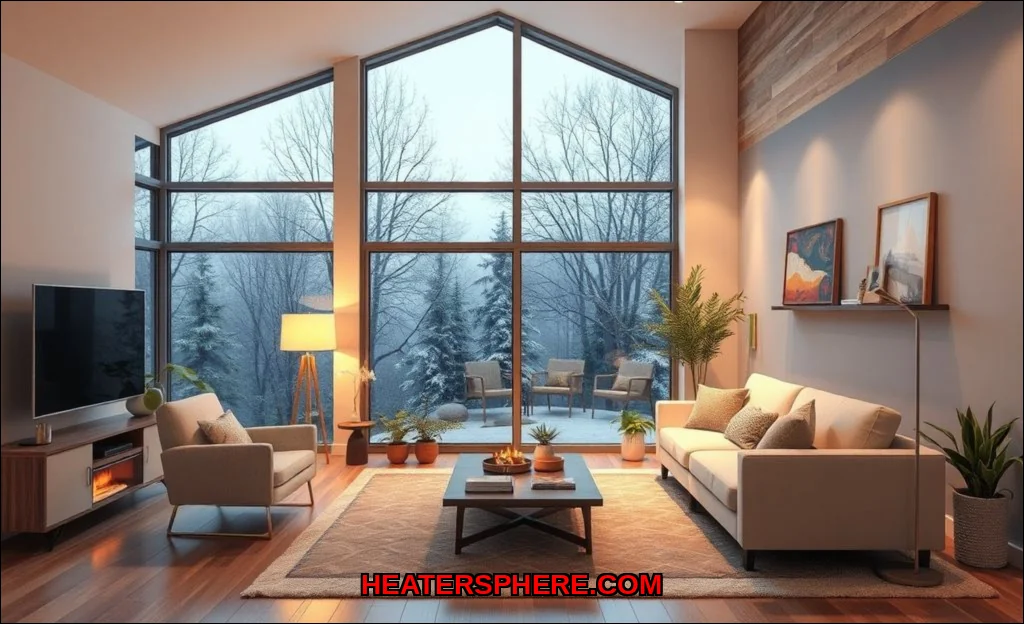
The Core Challenge: Why Split-Levels Are Hard to Heat
To fix the problem, you first need to understand the physics at play. The classic split-level home heating issue stems from one simple fact: warm air rises. In a traditional two-story home, this creates the common “upstairs hot, downstairs cold” scenario. But split-levels add a twist.
Your home’s design essentially creates multiple mini-zones. The main living room often sits between a sunken family room and elevated bedrooms. This layout accelerates temperature stratificationthe layering of air by temperature. Heat from your furnace naturally migrates to the highest points, leaving lower areas, like that sunken conversation pit, noticeably cooler. The open stairwell acts like a thermal chimney, funneling all that expensive warm air away from where you live. Readers in this position usually ask about keeping upper floors warm as well.
Key Symptoms You’re Probably Experiencing
- Uneven room temperatures between adjacent levels.
- A perpetually cold lower level while the upper floor is stuffy.
- Your thermostat (likely placed in the main living area) struggling to accurately read the home’s true condition.
- High energy bills as your system works overtime to compensate.
Mastering Strategic Zone Heating
The most effective long-term solution is zone heating. This means treating different areas of your home as separate climate zones with independent controls. If you have a forced-air system, this might involve installing motorized dampers in your ductwork controlled by multiple thermostats. It’s an investment, but it directly addresses the split-level floor plan dilemma.
For a more immediate approach, you can create “manual” zones. This involves adjusting your lifestyle and supplementing heat strategically.
- Focus heat where you are. Lower the temperature on your main thermostat a few degrees and use a space heater in the occupied room. This is one of the cheap ways to heat a split-level living room.
- Consider a ductless mini-split system for frequently used, hard-to-heat spaces. They provide efficient, zoned comfort.
- Use programmable or smart thermostats to lower temperatures automatically in sleeping areas or when you’re away.
Optimizing Your Existing Heating System
Before you consider major upgrades, maximize what you already have. Small tweaks can yield significant improvements in comfort and heating cost efficiency.
Balancing Act: Adjusting Forced Air Systems
Your ductwork holds the key to better balance. Locate the register dampersthe levers or knobs inside your air supply vents or in the duct branches themselves. The goal is to restrict airflow to rooms that are too warm and increase it to colder areas.
- Partially close dampers in upstairs registers to push more warm air downstairs.
- Ensure all vents in the lower living area are fully open and unobstructed by furniture.
- This process of forced air balancing is iterative. Make small adjustments and wait 24 hours to feel the difference.
The Critical Role of Thermostat Placement
If your thermostat is on an interior wall in your too-warm upstairs hallway, it’s shutting off the furnace before your downstairs is comfortable. Ideally, it should be on the main living level, away from direct sunlight, drafts, and heat sources. Relocating it can be a worthwhile project. At the very least, understand its limitations and adjust your habits accordingly. We go through efficiently warming a large living room step by step in a separate article.
Improving Air Circulation & Heat Distribution
Sometimes, you just need to move the air you’re already paying to heat. Improving circulation is a low-cost, high-impact strategy. There is more on overcoming cold garage effects in a guide of its own.
Harness Your Ceiling Fans
Your ceiling fan isn’t just for summer. Reverse its ceiling fan direction to clockwise (you should feel a slight updraft). On a low speed, this gently pulls cool air up and pushes the stratified warm air at the ceiling down the walls and back into the living space. It’s a simple trick that combats stratification directly.
Address the Stairwell Chimney Effect
The open staircase is the main culprit for heat escape. Consider these options:
- Install a door or curtain at the top or bottom of the stairwell to block airflow.
- Use a register deflector (a simple, clear plastic vent director) to aim heat from nearby registers away from the stairwell and into the room.
- Place a small fan at the bottom of the stairs pointing upward to help push warm air back into circulation.
Supplemental Heating & Efficiency Fortifications
Even with a balanced system, some areas need a boost. Supplemental heating fills those gaps efficiently. For a downstairs living room that’s always chilly, a ceramic or infrared space heater can provide focused warmth. Similarly, for a big drafty living room with high ceilings, a radiant heater or a powerful convection model can make the space usable without cranking the whole-house system.
No heating strategy is complete without addressing heat loss. All the warm air in the world won’t help if it’s escaping.
| Area to Check | Action to Take |
|---|---|
| Windows & Doors | Apply weatherstripping and use heavy curtains at night. |
| Attic Hatch | Seal gaps and add insulation batt on top. |
| Electrical Outlets | Install foam gaskets on exterior walls. |
| Ductwork (in unconditioned spaces) | Seal joints with mastic tape and ensure insulation is intact. |
For a deep dive on system types and efficiency ratings, the U.S. Department of Energy’s guide to home heating systems is an excellent resource.
Putting It All Together
Winning the temperature war in your split-level home is about strategy, not just brute force. Start with the low-cost, high-impact fixes: balance your registers, reverse your ceiling fans, and seal obvious drafts. Experiment with creating manual heating zones by supplementing warmth where you need it most. Understand that your thermostat might be lying to you about conditions in your coldest spaces.
If persistent two-story heat distribution problems remain, then investigate larger solutions like adding a zoning system or a ductless mini-split for problematic areas. Remember, comfort is the goal. By systematically addressing airflow, insulation, and control, you can transform your split-level living room from a drafty challenge into a consistently cozy retreat. Your energy bill will thank you, too. For the detail, see our notes on comfortable dining room warmth.
