
Home heat loss can lead to uncomfortable temperatures and high energy costs. Understanding how to locate and fix these issues is essential for maintaining a comfortable living environment.
Find and Fix Home Heat Loss
Heat escapes your home mainly through drafts, poor insulation, and gaps around doors and windows. Fixing these leaks and improving insulation cuts energy bills and keeps your rooms evenly warm.
Start by checking for drafts with a simple test: on a cold day, hold a lit incense stick or a thin strip of tissue near windows, doors, electrical outlets, and baseboards. Watch for flickering smoke or movement that signals air leaks. Open plan homes lose heat differently; warm air rises and spreads unevenly, so sealing large open spaces and balancing heating zones helps fix uneven home heating.
- Inspect Windows and DoorsLook for cracked or missing weatherstripping, gaps under doors, and loose window panes. Use a flashlight at night to spot light leaks from outside.
- Check Electrical Outlets and SwitchesRemove cover plates and feel around for cold air. Seal gaps with foam gaskets made for outlets.
- Examine Attic and BasementInspect insulation levels and look for gaps around pipes, vents, and wiring. Add insulation or seal gaps with caulk or spray foam.
- Assess Walls and FloorsLook for cracks in plaster or drywall and gaps around baseboards. Seal with appropriate filler or caulk.
Common causes of heat loss include single-pane windows, uninsulated walls, and gaps around chimneys and ductwork. Open plan homes often suffer from heat stratification, where warm air rises and leaves lower areas cold. Use ceiling fans on low to circulate warm air downward and consider zoning your heating system to balance temperatures.
To fix identified heat loss, start with weatherstripping and door sweeps to block drafts. Use caulk or foam sealant for cracks and gaps less than a quarter inch wide. For larger gaps, spray foam or rigid foam board insulation works better. Adding or upgrading insulation in attics and walls improves heat retention significantly.
| Appliance | Watts | Per hour | Per day (8 h) | Per month (30 days) |
|---|---|---|---|---|
| 1,500 W space heater | 1,500 W | 26¢ | $2.04 | $61.20 |
| Heated blanket | 100 W | 1.7¢ | 14¢ | $4.08 |
Drafts in the home can be found with a draft detector or by feeling for cold air with your hand. Focus on places where different materials meet, like window frames and wall corners. Look for gaps around pipes and vents, especially in basements and crawl spaces. Sealing these spots stops cold air from entering and warm air from escaping.
Fixing uneven home heating requires balancing heat distribution. Open plan homes lose heat through large open areas and high ceilings. Use zone controls on your heating system or add portable heaters to cold spots. Insulate floors and ceilings to prevent heat from rising out of reach.
For a detailed guide on finding drafts, see how to find drafts in home. For fixing uneven heating, check how to fix uneven home heating.


Conduct a Thorough Inspection for Heat Loss
Start your inspection by looking for drafts, the main way heat escapes a home. New homes can still have drafts, often from imperfect sealing around windows, doors, or vents. Use your hand or a light piece of tissue near edges and gaps to feel or see air movement.

Hidden drafts are harder to find and require tools. A draft detector or an infrared thermometer can help spot unusually cold spots on walls, ceilings, and floors. These tools reveal where warm air leaks out or cold air seeps in, even if you don’t feel a breeze.
Common Areas to Check for Heat Loss
- Window and door frames, especially where the frame meets the wall
- Electrical outlets and switch plates on exterior walls
- Baseboards and crown molding
- Attic hatches and basement access doors
- Fireplace dampers and chimney seals
- Vents and ductwork connections
- Cracks in plaster or drywall
- Around plumbing and wiring penetrations
Check these areas both visually and by touch. Look for cracked caulk, damaged weatherstripping, or visible gaps. Even small openings can let in significant cold air.
Tools and Methods for Detecting Drafts
- Use a candle or incense stick near suspected gaps to see if the flame or smoke wavers.
- An infrared thermometer scans surfaces for cold spots, identifying leaks invisible to the eye.
- A handheld draft detector, which measures airflow and temperature differences, helps pinpoint leaks precisely.
- Thermal imaging cameras provide a clear heat map but are more expensive; some local energy auditors offer this service.
- On a cold, windy day, walk around your home’s interior and exterior to note where you feel cold air.
Step-by-Step Inspection Process
- Prepare your homeClose all windows and doors. Turn off fans and HVAC systems to avoid air movement masking drafts.
- Visual checkLook for obvious cracks, gaps, and damaged seals around common leak points.
- Feel for draftsMove your hand slowly around edges, outlets, and other suspect areas. Use a tissue or light fabric to detect airflow.
- Use toolsTest with an infrared thermometer or draft detector to find hidden leaks.
- Document findingsMark drafty spots with tape or a pencil to prioritize repairs.
If you want to speed up the process, a professional blower door test can pressurize your home and highlight leaks, but this requires an expert.
This inspection will help you understand where your home loses heat and what repairs will have the most impact. For detailed help finding hidden drafts in your home, see our dedicated guide on how to find drafts in home.
Effective Repair Methods for Heat Loss
Heating a home without central heating means focusing on sealing leaks and using efficient localized heaters. Stop heat loss through vents by sealing gaps around the vent edges with caulk or foam sealant. Use vent covers to close off unused vents during cold months.
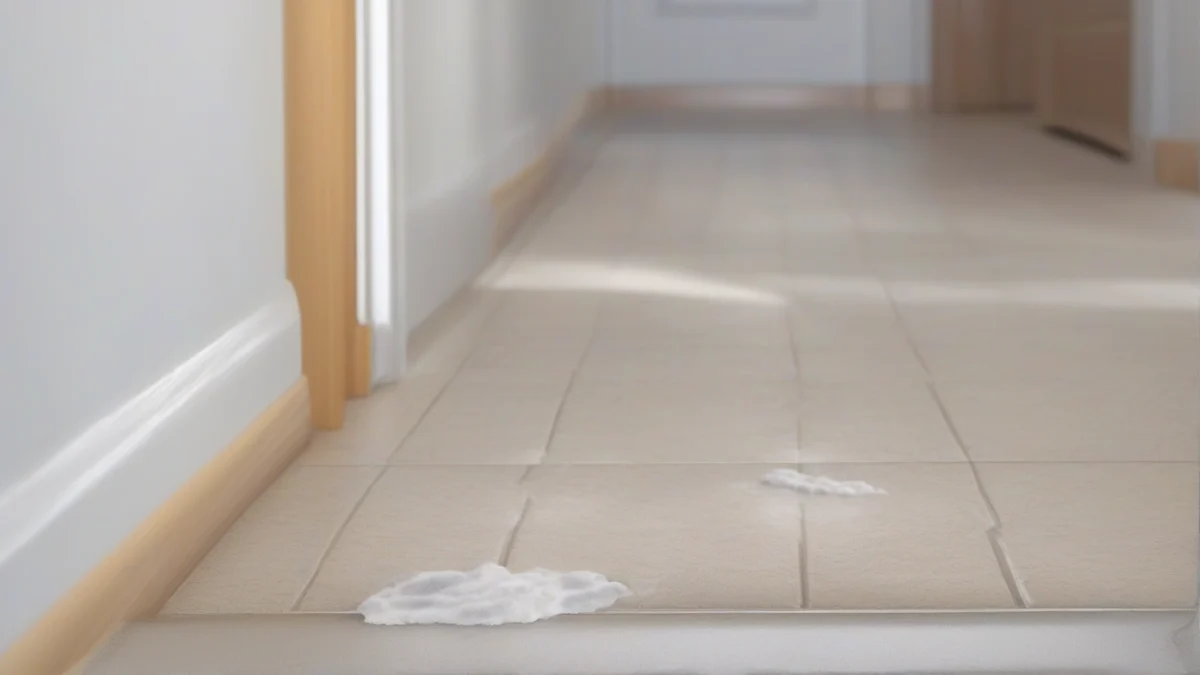
- Seal Drafts with WeatherstrippingApply weatherstripping to movable joints on doors and windows. Choose foam tape for irregular gaps up to 1/4 inch and V-strip or felt for larger or uneven gaps. Replace worn or brittle weatherstripping annually for best results.
- Caulk Static Gaps and CracksUse acrylic latex caulk for gaps under 1/4 inch, and silicone caulk for areas exposed to moisture. Focus on cracks around window frames, baseboards, and where siding meets the foundation. Smooth the caulk with a wet finger or tool for a tight seal.
- Add Insulation in Key AreasCheck attic, basement, and crawl space insulation levels. Add fiberglass batts or blown-in cellulose to reach recommended insulation values (R-38 in attics, R-13 to R-19 in walls). Seal attic hatches and rim joists with weatherstripping and spray foam to prevent air leaks.
- Use Draft Stoppers and Door SweepsInstall door sweeps on exterior doors to block cold air under doors. Use draft stoppers on interior doors leading to unheated spaces. These simple fixes reduce cold air infiltration without major work.
For heat loss through vents, also check for leaks in ductwork if you have forced-air heating. Leaky ducts can lose up to 30% of heated air before it reaches rooms. Seal duct joints with mastic or foil tape rated for HVAC use.
If your home lacks central heating, portable electric heaters can supplement warmth. Choose ceramic or oil-filled radiators for bedrooms and ceramic fan heaters for quick heat in bathrooms or small rooms. Use a thermostat to avoid overheating and reduce energy waste.
Consider professional help if your home has extensive insulation gaps, persistent drafts after sealing, or signs of moisture damage like mold or wood rot. A professional energy audit can identify hidden heat loss spots and recommend effective upgrades.
A contractor can also inspect and seal ductwork safely and install advanced insulation materials like spray foam or rigid foam boards for better air sealing and R-values. Licensed electricians or HVAC technicians should handle these tasks to meet building codes and safety standards.
When to Call a Professional for Heat Loss Issues
Open plan homes in the UK can be challenging to heat efficiently because warm air moves freely between spaces. Professionals can assess your layout and recommend solutions like zoning, ductless heat pumps, or strategic heater placement that balance comfort and cost.
If your home loses heat despite sealing visible drafts and adding insulation, and you have no chimney damper to control airflow, it may signal hidden issues. A professional energy audit can reveal complex problems such as air leaks behind walls, inadequate ventilation, or insulation gaps that standard DIY methods miss.
- Look for persistent cold spots or uneven heatingIf some rooms stay cold or your heating bills remain high after repairs, a professional assessment can diagnose the root cause.
- Check for moisture or mold near insulationMoisture can reduce insulation effectiveness and indicate air leaks or ventilation problems needing expert repair.
- Notice unusual drafts or noises in vents or ductsThese signs suggest duct leaks or ventilation issues that require professional sealing or balancing.
- Consider an energy auditA certified auditor uses blower door tests and thermal imaging to map heat loss precisely and recommend targeted fixes.
A professional energy audit includes a detailed inspection using specialized tools. Thermal cameras show heat escaping through walls, windows, and roofs. Blower door tests measure how much air leaks from your home. These diagnostics identify issues invisible to the naked eye, informing effective repairs.
Complex heat loss issues often involve multiple factors: structural gaps, ventilation imbalances, and insulation problems combined. Professionals can coordinate repairs and upgrades that work together to improve comfort and reduce energy costs.
Calling a professional also helps when you plan major upgrades like replacing windows, adding insulation to hard-to-reach areas, or installing a new heating system. They ensure work meets local codes and maximize your investment.
In summary, call a professional if you still feel drafts or cold spots after basic fixes, if your heating costs stay high, or if your home layout complicates heating. An energy audit delivers a clear diagnosis and a plan to solve hidden heat loss effectively.
For a detailed approach to sealing leaks and choosing heaters, see how to fix uneven home heating and how to find drafts in home.
Frequently Asked Questions
What are common signs of heat loss in a home?
How can I find drafts in my new home?
What tools do I need to check for heat loss?
How can I reduce heat loss in an open plan home?
When should I replace my windows to stop heat loss?
What is the best way to insulate my attic?
We cover eliminating cold drafts in its own guide.
Before you buy anything, it is worth looking at effective guest room heating.
