
A memory foam topper makes a bed softer, but it also holds onto heat. Add a heated blanket the wrong way and you can end up sweaty, with a sagging topper, or worrying about safety.
This guide shows you exactly how to layer a heated blanket on a memory foam bed, what settings to use, what can go wrong, and when it is time to replace gear instead of trying to rescue it.
Can You Use a Heated Blanket With a Memory Foam Mattress Topper
You can use a heated blanket with a memory foam mattress topper safely as long as the blanket stays on top of you or on top of the bedding, never under the topper or directly on bare foam. It is safe to use an electric blanket on a memory foam mattress or topper when you keep the heat low to medium and give the foam room to breathe.
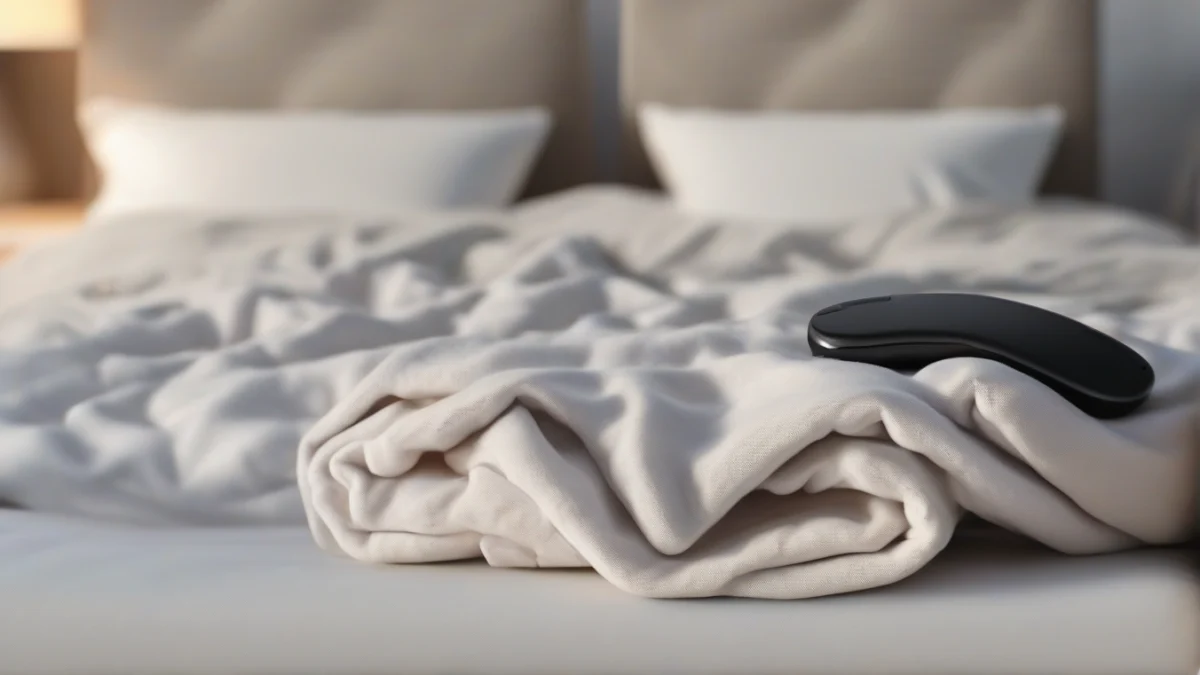
Memory foam is designed to soften with body heat and pressure, then hold that warmth. It has tiny cells that trap air and reduce airflow, so heat builds up faster than it does in a spring mattress with open space between coils. That means a low setting on a heated blanket often feels warmer on memory foam than it would on a traditional mattress, and high settings can push the foam and your skin toward overheating.
The safest stack looks like this: mattress at the bottom, then the memory foam topper, then a breathable mattress protector if you use one, then the fitted sheet, then any regular blanket or duvet, and finally the heated blanket as the top layer. With the electric blanket on top of everything, extra heat can escape into the room instead of being trapped against the foam. Most mattress and heated blanket manuals warn against putting heating wires directly against foam or sandwiching the blanket between a mattress and topper, because that traps heat around the wiring and the foam and can lead to damage or scorching.
Topper thickness matters. A thicker slab of memory foam holds more heat, so a 3 to 4 inch topper will warm up and stay warm longer than a thin 1 to 2 inch pad. The thicker your topper, the more important it is to stay on low or medium, to treat high as a short preheat only, and to let the bed cool fully between uses instead of running the blanket for many hours in a row.
User safety comes first. Do not use a heated blanket for infants, very elderly people who cannot adjust controls, anyone who cannot feel heat properly, or anyone who cannot remove the blanket without help. Pets should not be left unsupervised on a heated bed, because claws and chewing damage wires. For electrical safety, plug the blanket directly into a wall outlet, keep the cord flat and untwisted where you will not step on it, and stop using the blanket immediately if you see frayed fabric, feel hot spots in the cord, or notice a burning or chemical smell. If your current blanket is worn or lacks auto shut-off, replacing it with one from the best electric blanket list is safer than trying to stretch its life.

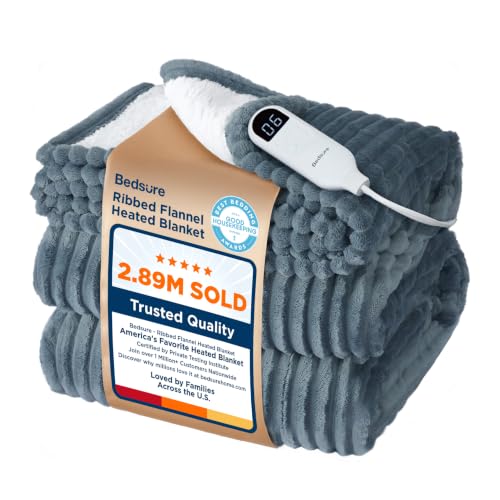

Step-By-Step: How To Layer a Heated Blanket on Memory Foam
To use an electric blanket with memory foam safely, build the bed in layers so the foam supports you, the sheets and regular blankets cushion you, and the heated blanket rides on top. That way you get steady warmth without trapping the heating wires against the topper.

- Prepare the mattress and topperPlace the memory foam topper flat on the mattress and let it fully expand according to the topper instructions (often 24–48 hours after unboxing). Add a breathable mattress protector that is approved for use over foam, and make sure everything is dry, clean and free of crumbs or sharp debris that could press into the blanket wiring later.
- Add and smooth the fitted sheetPull a fitted sheet over the topper (and protector if used), securing all corners. Smooth out wrinkles and tight creases so the surface is even; this helps the heated blanket lie flat and prevents bunching that can cause warm spots.
- Layer your regular blanket or duvetSpread your usual blanket or duvet over the fitted sheet. If your heated blanket is a smaller throw, this regular blanket becomes the main insulating layer and the throw will just warm the top surface. If you have a full-size heated blanket and the manual allows direct skin contact, you can use a lighter top blanket or skip it, but avoid heavy stacks that trap too much heat over memory foam.
- Place the heated blanket on topLay the heated blanket on top of the other bedding with the fabric flat, no folds or tight tucks. Position the controller at the head or side of the bed where you can reach it easily, and route the power cord so it runs straight toward the outlet without being pinched under the mattress, frame, or your legs.
- Do a short, supervised test runTurn the blanket to a moderate setting and preheat the bed for 10–15 minutes before you get in. Then lie down and feel for hot spots, hard or uncomfortable wires, or areas of the topper that seem unusually soft, saggy, or hot compared with the rest; if anything feels off, turn the setting down or switch the blanket off and let everything cool.
On a memory foam bed, treat the low setting as your default. Start on low, see how the bed feels after 10–20 minutes, and only move up one level at a time if you are still cold. Use high settings, if your blanket has them, as brief preheat levels before you get in, not as something you leave running for hours while you sleep.
Take advantage of timers and auto shut-off. Many heated blankets can either turn off after a set number of hours or automatically drop to a lower level, which keeps both the foam and your skin from getting too hot in the middle of the night. A common pattern is to preheat on medium or high for 10–20 minutes, drop to low as you fall asleep, then let the timer turn the blanket off after 1–3 hours while the memory foam continues to hold the warmth.
What Can Go Wrong: Damage, Smell or Overheating
Used the wrong way, a heated blanket can ruin memory foam by baking it over time; used on low or medium on top of you, it is far less likely to cause trouble. People ask can a heated blanket ruin memory foam when they start seeing dips, strange smells, or yellow patches. The main signs heated blanket damaged topper are changes in how the foam feels, new discoloration exactly where the heat was, or odors that only show up after you run the blanket.
Memory foam softens with warmth, then is supposed to spring back slowly. Prolonged high heat speeds up the breakdown of the foam cells, so the material loses that slow rebound and support. You may notice deeper body impressions that do not fade during the day, soft or saggy spots under your hips or shoulders, or a lumpy feel under the sheet in the area you usually heat.
Heat damage often shows on the surface. Yellow or brown patches on the topper cover or exposed foam right under where the heated blanket sat can signal mild scorching. If parts of the foam look shiny or melted, feel crusty or crunchy, have deep soft pits, or start crumbling when you handle them, the topper is past its safe life; both its structure and any fire barrier fabric can be compromised and it should be replaced.
If your memory foam smells after electric blanket use, that can come from foam breakdown or from sweat and humidity trapped in the topper. Heat drives out chemical odors that were barely noticeable before and can also amplify a musty, damp smell in older foam, especially in a humid room. For mild odor with no discoloration or crumbling, turn the blanket down, air out the room, and let the topper cool fully for several hours; if the smell keeps returning only after heating, plan on replacing the topper soon.
Watch the blanket itself for damage. Warning signs include stiffened or browned fabric, melted-looking spots, areas that feel much hotter than the rest, a controller that gets hot to the touch, or a cord that buzzes, sparks, or repeatedly trips a breaker or GFCI outlet. Any of these mean you should stop using the blanket on the bed.
Electrical faults in a heated blanket are not a repair job for a homeowner. Do not sew through the blanket, tape over damaged insulation, bypass the controller, or try to rewire a plug that has overheated; fire services include damaged electric blankets on their list of common home fire sources, and their electric blanket safety advice is clear that a faulty unit should be discarded electric blanket safety advice. If the internal wires, plug, or controller are damaged or the blanket repeatedly trips its own safety shutoff, replace it instead of patching it.
The same replacement rule applies to a damaged topper. Once foam has melted areas, a crunchy surface, deep permanent pits under heated zones, or sheds crumbs when you lift it, you can no longer rely on it for support or predictable fire behavior. Retire the topper, and start fresh with a new one before using any heated bedding again.
- Foam still feels even and supportive, with no new dips, lumps, or soft pits under heated areas
- No yellow or brown heat marks, melted spots, or crunchy crust on the topper surface
- Only a faint, temporary odor that fades after airing out and cooling completely
- Heated blanket fabric is flexible with no stiff, browned, or noticeably hotter patches
- Persistent body impressions, saggy zones, or crumbling foam where heat was concentrated
- Visible scorching, yellow or brown patches, or melted-looking areas on foam or cover
- Strong chemical or burnt smell that returns every time you run the blanket
- Heated blanket trips breakers, has hot or buzzing controls, or shows any sign of burning
Choosing a Heated Blanket That Suits a Memory Foam Topper
For a memory foam mattress, the best heated blanket for memory foam mattress use is a low intensity throw or blanket with many gentle settings, long auto shutoff, and solid safety credentials. A low wattage electric blanket memory foam setup works better because the foam and bedding already trap heat, so you only need a small boost. Aim to run your memory foam electric blanket on the lowest heat setting that keeps you comfortable, usually low or medium, and avoid leaving it on the maximum level for long stretches.
Lower wattage models are usually labeled as throws or lightweight heated blankets in the 60 to 120 watt range. That is enough to warm your skin and your immediate bedding without driving as much heat into the topper as a hotter pad or heavy-duty blanket. The foam then stores that gentle warmth, instead of being stressed by constant high heat from a powerful unit.
Focus on three features: multiple heat settings, a long auto shutoff, and overheat protection. Having at least several heat steps, often up to ten, makes it easier to find a gentle level that works with memory foam instead of jumping from too cold to too hot. An auto shutoff around 8 to 10 hours suits overnight use, and an overheat sensor that cuts power if the blanket gets too hot adds another layer of safety on a heat-holding mattress.
Check the packaging or tag for a UL, ETL, or CSA listing before you buy. These marks mean the heated blanket has passed standard electrical safety tests for household use, which matters when you are running it for hours on a soft, insulating surface like memory foam.
Size also affects how much of the topper you warm. A throw or twin size heated blanket can cover one person or just the foot area on a larger bed, limiting how much foam gets warmed and giving a partner more control. Queen and king blankets spread heat across the entire foam surface, so use lower settings and consider turning them down after you fall asleep.
Look for flexible, thin heating wires that you cannot easily feel through the fabric. On a soft memory foam surface, thick or stiff wires can create pressure ridges and concentrate heat in narrow lines, while thin, well-spaced wires bend with the foam and spread warmth more evenly.
Most modern electric blankets are machine washable once you unplug and detach the controller, but always follow the instructions on the care tag. Use the recommended gentle cycle, then let the blanket air-dry completely or tumble on low until every layer is dry before you plug it back in and lay it on your topper; residual moisture and electricity do not mix.
If you move around a lot or want warmth beyond the bed, alternatives can work better than running a large bed blanket on high. A heated wearable blanket in the evening keeps you warm on the couch or around the house, then you can switch to a low level bed blanket or even turn the heat off once you lie down. If you want portable warmth away from outlets, our best cordless heated blanket guide can help you pick a battery-powered throw for chairs and sofas while your memory foam bed stays cooler.
Is a Heated Blanket Better Than a Space Heater for Memory Foam Beds
For a memory foam bed, a heated blanket is almost always better and cheaper than a space heater. Memory foam already slows heat loss into the mattress, so an electric blanket on top of you warms your body and the top layer of foam directly instead of trying to heat the whole room. That is why an electric blanket is usually far cheaper to run than a heater with memory foam, and why you can keep the room thermostat several degrees lower but still feel warm in bed.
A heated blanket works by contact and gentle radiant heat. Your body, the blanket, and the first inch or two of memory foam form a small warm zone, and the foam helps hold that warmth near your skin. A portable space heater mostly heats air, which then slowly warms bedding and foam; much of that heat rises toward the ceiling or leaks out of the room before it ever reaches you.
| Appliance | Watts | Per hour | Per day (8 h) | Per month (30 days) |
|---|---|---|---|---|
| 1,500 W space heater | 1,500 W | 26¢ | $2.04 | $61.20 |
| 100 W heated blanket | 100 W | 1.7¢ | 14¢ | $4.08 |
The numbers show why a heated blanket is far cheaper to run than a space heater for all-night warmth. A 1,500 W heater draws about fifteen times as much power as a 100 W blanket for the same number of hours, and some of that heater energy goes into warming walls, furniture, and air you never touch. With either method the top of the foam will feel warmer, but with a blanket most of the heat stays in the top few inches of bedding, where it does the most good.
Safety also favors the blanket for overnight use. Many portable space heaters are not designed or recommended for unattended use while you sleep, especially near bedding that can block the air intake or fall against the hot front. Modern heated blankets, by contrast, are built for beds and usually include overheat sensors, short-circuit protection, and timed auto shut-off when used exactly as their manual directs.
If you find that both a heated blanket and a space heater make a memory foam bed feel stifling, focus on the room instead of more heat. Seal window drafts, add a door sweep, and close gaps around outlets or baseboards so the bedroom temperature stays stable with a lower thermostat setting and only a low blanket setting for short periods.
Frequently Asked Questions
Can I put an electric blanket directly on top of memory foam?
Is it safe to sleep with an electric blanket on memory foam every night?
Will a heated blanket void my memory foam mattress warranty?
What bedding order should I use with a memory foam topper and heated blanket?
Are heated mattress pads OK to use on memory foam instead of a blanket?
Can I use a weighted blanket and a heated blanket together on a memory foam bed?
If that sounds like your room, read up on overcoming heated blanket challenges next.
If that sounds like your room, read up on tips for heated blanket solutions next. Before you buy anything, it is worth looking at enhancing daily comfort.
