
Heat loss through vents can lead to increased energy bills and discomfort in your home. Understanding how to identify and fix these issues is essential for maintaining a cozy living environment.
How to Stop Heat Loss Through Your Home Vents
Heat loss through home vents happens mainly because of leaks and poor insulation in the duct system. To stop this, seal gaps around vents and ducts, then add insulation to keep warm air inside and cold air out.
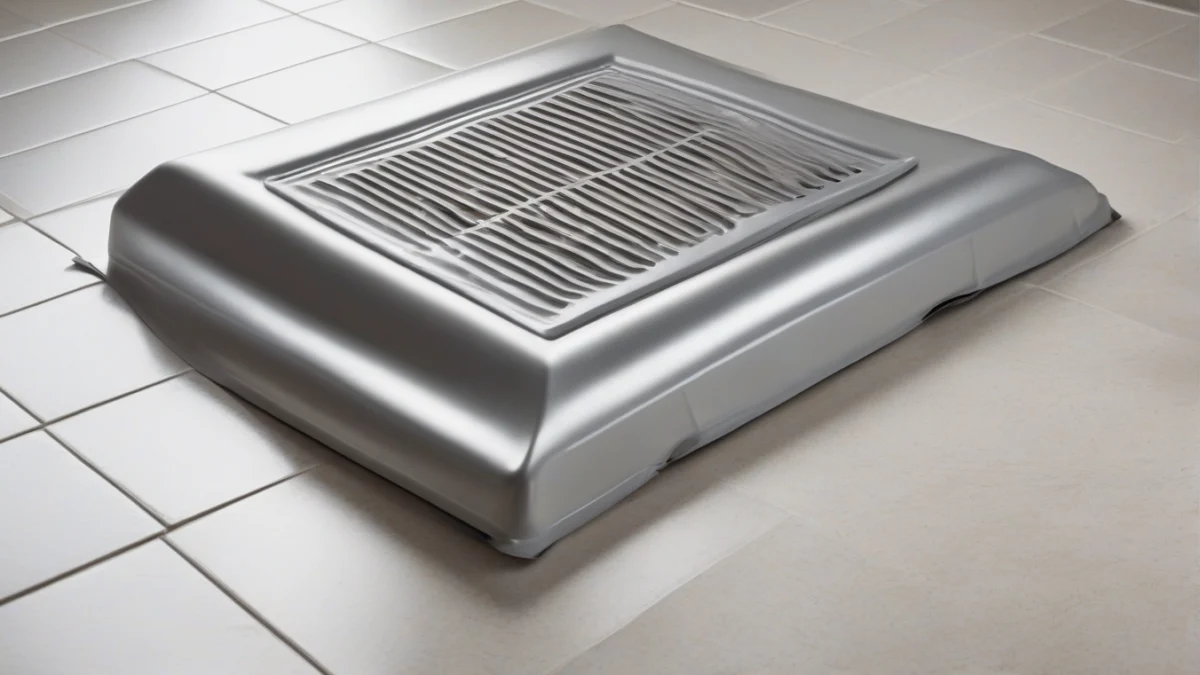
If cold air is blowing through your vents, it means outside air is entering the ducts or warm air is escaping before reaching the room. You can fix this by locating leaks, sealing them with mastic or foil tape, and wrapping ducts with insulation sleeves or blankets.
Preventing heat from coming in through certain heaters or vents involves blocking off or sealing unused vents and improving duct insulation. This stops unwanted cold air from circulating and makes your heating more efficient.
- Find Leaks and GapsCheck around vent registers, duct joints, and seams for cracks or loose connections where air can escape or enter.
- Seal LeaksUse mastic sealant or UL 181-rated foil tape to secure all leaks. Avoid regular duct tape, which fails over time.
- Insulate DuctsWrap ducts in fiberglass or foam insulation sleeves with a vapor barrier to reduce heat loss and prevent condensation.
- Block Unused VentsClose vents in rooms you don’t use or seal them with magnetic covers or rigid insulation panels.
- Check Vent CoversEnsure vent registers fit tightly and have adjustable dampers to control airflow and reduce drafts.
If you notice persistent cold air despite sealing and insulating, or if ducts are hard to access or damaged, call a professional HVAC technician. They can perform duct leakage tests, repair or replace damaged sections, and install proper insulation that meets local building codes.
Stopping heat loss through vents improves comfort and lowers heating bills by keeping warm air where you want it. For more on stopping cold air through vents, see How to Stop Cold Air Coming Through Your Vents.
Identifying Causes of Heat Loss
Heat escapes through home vents mainly due to air leaks, thermal bridging, and conduction. These issues let cold air in and warm air out, raising heating costs and making rooms uncomfortable.
Air leaks happen where duct joints are loose or where vents meet walls or floors. You can detect leaks by feeling for drafts near vents or using a smoke pencil or incense stick to watch for airflow disturbances. If you feel cold air coming through heater vents, it may be due to leaks or back drafting from outside air.
Thermal bridging occurs when metal ductwork or vent frames conduct cold from outside or unheated spaces directly into your home. Metal is a good conductor, so uninsulated ducts running through cold areas cause heat loss even without air leaks. Insulating these ducts reduces conduction.
Conduction happens when heat moves through solid materials in your duct system and vent covers. Plastic or insulated vent covers reduce this effect better than bare metal. Inspect vent covers and replace or add insulation if they feel cold to the touch.
- Inspect duct joints and vent connectionsLook for gaps, loose tape, or damaged seals. Tighten or reseal with mastic or foil tape.
- Feel for drafts at vents and wall penetrationsUse your hand or a smoke pencil to detect airflow indicating leaks.
- Check vent covers for cold surfacesReplace metal covers with insulated plastic ones if needed.
- Inspect ducts in unheated spacesLook for exposed metal ducts running through attics or crawlspaces and plan insulation.
Stopping coolant or cold air from coming through heater vents involves sealing leaks and ensuring the duct system is properly insulated. Drafts through wall vents require sealing gaps around the vent frame and possibly installing backdraft dampers to block outside air.
If you find leaks or cold spots, sealing and insulating will cut heat loss. Use duct mastic or UL 181 foil tape for airtight seals. Insulation sleeves or wraps for ducts in cold spaces keep heat inside the ductwork, reducing conduction and thermal bridging.
For more on preventing cold air entry through vents, see How to Stop Cold Air Coming Through Your Vents.
Step-by-Step Guide to Sealing and Insulating Vents
Start by stopping cold air from entering through brick vents. Use masonry wool or foam backer rods to fill gaps between bricks, then seal with high-quality exterior caulk. This blocks drafts and prevents water ingress through the vent openings.

- Locate Duct Leaks and JointsCheck all accessible ductwork for visible gaps, disconnected sections, and loose joints. Pay special attention to seams and where ducts meet registers.
- Seal Joints and LeaksUse mastic sealant or UL 181-rated foil tape on duct joints and seams. Avoid standard cloth duct tape, which fails over time. Apply sealant liberally and smooth it to cover all gaps.
- Install Register GasketsRemove vent covers and fit foam or rubber gaskets around register edges. This prevents warm air from leaking into unheated spaces like wall cavities or crawl spaces.
- Insulate Exposed DuctworkWrap ducts in fiberglass or foam insulation sleeves with a vapor barrier. Secure with foil tape or metal clamps. Insulating reduces heat loss as air travels through the ducts.
For brick wall vents, after sealing gaps and adding vent covers, check inside the wall cavity for drafts or moisture. Add insulation batts or spray foam if accessible. This improves thermal resistance behind the vent.
Seal and insulate ducts in unheated areas like basements or attics first. These sections lose the most heat. Use insulation with at least R-6 value for metal ducts to cut heat loss by over 30%.
After sealing and insulating, replace vent covers and test for drafts by feeling around edges on a cold day. Use a smoke pencil or incense stick to detect subtle leaks.
If your home has multiple brick vents, treat each one similarly. For more on stopping cold air through brick vents, see How to Stop Cold Air Coming Through Brick Vents in Your Home.
When to Call a Professional for Duct Issues
Heat coming through vents that are supposed to be off usually signals a duct system problem beyond simple sealing or insulation. This can happen if dampers inside the ducts are broken or not closing fully, or if there are leaks allowing warm air to travel through unintended pathways. If you notice this, it’s time to call a professional.
Heat can also seep through vents during summer, making rooms warmer than they should be. This often results from poorly insulated ducts running through hot spaces like attics or crawl spaces. A professional can assess if your ducts need better insulation or sealing to stop unwanted heat transfer.
A key service professionals offer is a duct blaster test. This test measures the airtightness of your duct system by pressurizing it and detecting leaks. Knowing the size and location of leaks helps target repairs effectively, saving energy and improving comfort.
Besides leak detection, professionals can also inspect ductwork for mold, pests, or damage that you might miss. They have the tools to clean, seal, and insulate ducts properly, ensuring your heating system works efficiently and safely.
- Check for signs of duct problemsLook for uneven heating, persistent drafts, or heat in vents when off.
- Schedule a duct blaster testHire a certified HVAC technician to measure duct leakage.
- Follow up with repairs and insulationHave the professional fix leaks, replace damaged ducts, and add insulation as needed.
Frequently Asked Questions
What are the main causes of heat loss through vents?
How can I tell if my vents are leaking air?
What materials do I need to seal my ductwork?
Can I insulate my ducts myself?
How can I prevent cold air from coming through my vents?
When should I consider replacing my ductwork?
There is more on preventing drafts from floor vents in a guide of its own.
For the detail, see our notes on insulating kitchen cabinets.
