
Heat loss in your home can lead to uncomfortable temperatures and high energy bills. Identifying where heat escapes is crucial for creating a more energy-efficient and cozy living environment.
Find and Fix Home Heat Loss
Uneven home heating usually means heat is escaping where it shouldn’t. To fix this, find drafts and seal gaps around doors, windows, and other openings.
Start by checking common heat loss areas: windows, exterior doors, attic hatches, electrical outlets, and baseboards. Open-plan homes lose heat through large open spaces; use programmable thermostats and zone heating to maintain comfort efficiently.
- Visual inspectionLook for visible cracks, gaps, or damaged weatherstripping on doors and windows. Check for warped or missing insulation in attics and crawl spaces.
- Feel for draftsOn a cold day, slowly move your hand along edges of doors, windows, baseboards, and electrical outlets to feel for cold air leaks.
- Use tools to find draftsUse a lit incense stick or candle flame near suspected draft areas; if smoke or flame flickers, you have a draft. A handheld thermal camera or infrared thermometer can detect cold spots behind walls or around windows.
- Check heating distributionNote rooms that stay cold or hot spots. Uneven heat suggests poor insulation, leaks, or heating system imbalance.
- Measure airflow in open-plan homesUse a programmable thermostat like the Aube by Honeywell Home TH106 to control heating zones independently and reduce heat loss in unused areas.

Common Causes of Heat Loss
Open plan homes often lose heat faster because warm air moves freely to cooler areas, increasing the total surface area exposed to outside walls. This makes sealing and insulating more critical, especially at common heat loss points.
Start by finding air plogs — spots where cold air sneaks in or warm air escapes. Use your hand or a candle flame near suspected areas like windows, doors, outlets, and vents. A draft causes the flame to flicker or the skin to feel a chill.
- Check Drafty Windows and DoorsLook for gaps around window frames and door edges. Older single-pane windows lose heat faster. Weatherstripping and caulking fix most leaks.
- Inspect Attics and Basements for Poor InsulationFeel for cold spots on attic floors and basement ceilings. Insulation should be thick and evenly spread. Missing or compressed insulation lets heat escape.
- Test Electrical Outlets for Air LeaksRemove outlet covers on exterior walls and check for cold air behind them. Install foam gaskets or seal with spray foam to stop leaks.
- Examine Fireplaces and ChimneysFireplaces can vent warm air outside even when unused. Keep dampers closed tightly and install chimney balloons or glass doors to reduce heat loss.
| Cause of Heat Loss | Typical Location | How to Check |
|---|---|---|
| Drafty Windows and Doors | Around frames and thresholds | Use hand or candle test for drafts; look for cracked caulk |
| Poor Insulation | Attic floors, basement ceilings | Feel for cold spots; check insulation thickness |
| Unsealed Electrical Outlets | Exterior walls | Remove cover plates and check for cold air behind |
| Fireplaces and Chimneys | Fireplace openings, chimney flue | Check damper seal; look for drafts when fireplace is off |
Effective Fixes for Heat Loss
Start by finding hidden drafts. A simple way is to hold a lit incense stick near windows, doors, outlets and attic hatches. Watch the smoke for any flicker or movement indicating air flow. You can also feel for cold air with your hand or use a handheld thermal camera if available.

Cold air drafts often enter where walls meet floors, around electrical outlets, and where the attic hatch meets the ceiling. These spots are easy to overlook but can waste significant heat.
- Apply Weatherstripping and CaulkingUse weatherstripping around door and window frames to block gaps that let in cold air. Choose foam, felt, or rubber strips based on the gap size. Use exterior-grade caulk to seal cracks and gaps around window frames, baseboards, and where siding meets the foundation. Allow caulk to dry fully before exposing it to weather.
- Install Foam Gaskets Behind OutletsRemove outlet covers and install foam insulating gaskets behind them. Electrical outlets are a common source of drafts because they penetrate exterior walls. Gaskets reduce airflow without affecting the outlet’s function. Replace covers carefully and check that no wires are pinched.
- Seal Attic HatchesAttic hatches often have no insulation and can leak warm air. Add weatherstripping around the hatch frame and attach rigid foam board insulation to the hatch door. Use a rope latch or magnetic clips to hold the hatch tightly closed. Check periodically for gaps or damage.
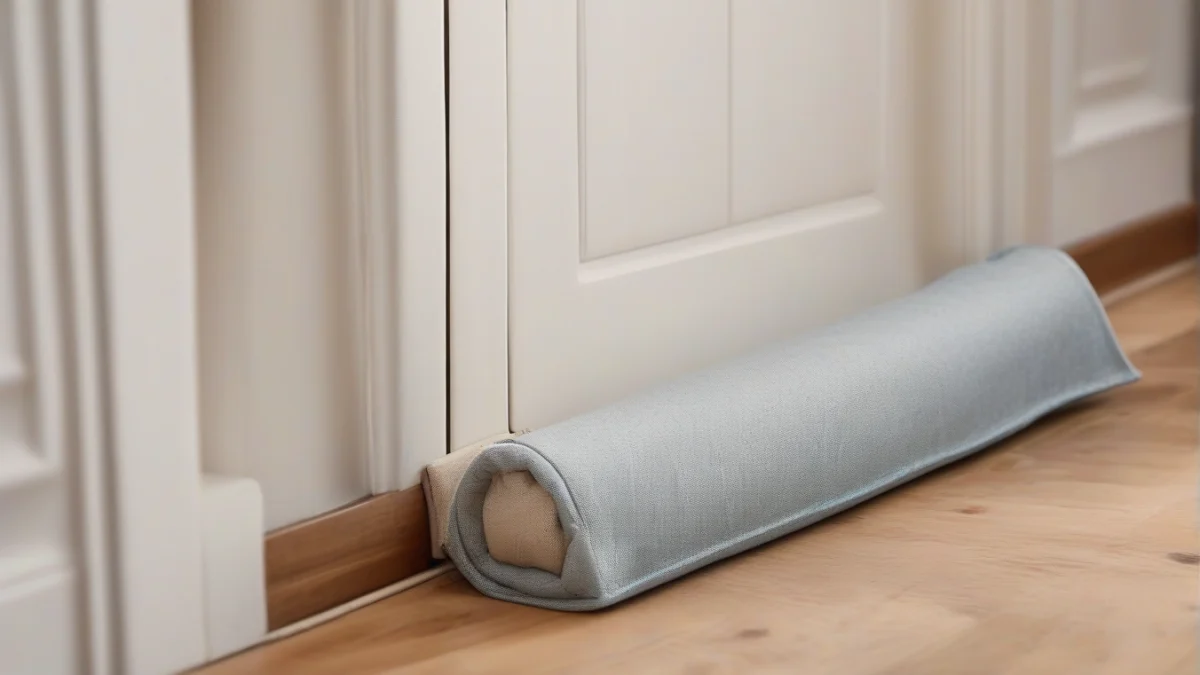
- Use Door SweepsInstall door sweeps on exterior and basement doors to block cold air at the bottom gap. Choose a sweep with a rubber or brush seal that fits tightly against the floor. Measure the gap before buying to ensure proper fit. Replace worn sweeps annually.
When to Call a Professional
If you notice persistent heat loss without an obvious cause like a chimney damper, a professional energy audit can identify hidden issues. A chimney without a damper can let warm air escape unchecked, but a pro can confirm this and suggest fixes that save energy.
Skylights often cause heat loss, especially in winter. A professional can assess the insulation and sealing around your skylight and recommend improvements such as thermal blinds or better weatherproofing to reduce heat loss effectively.
A professional energy audit uses tools like infrared cameras and blower doors to find leaks and insulation gaps that are hard to detect visually. Expect the auditor to inspect walls, ceilings, windows, doors, and ventilation systems. They provide a detailed report with prioritized fixes.
- Schedule the AuditHire a certified energy auditor with credentials such as BPI or RESNET. Confirm what tools and testing they will use.
- Prepare Your HomeClose all windows and doors and turn off combustion appliances before the test. Clear access to attic and crawl spaces.
- During the AuditThe auditor performs blower door testing to measure air leakage and uses infrared scanning to spot heat loss areas.
- Review the ReportThe report includes heat loss sources, estimated energy waste, and recommended improvements with cost estimates.
Calling a professional is wise if your home has complex heat loss issues, such as multiple skylights, an open chimney without a damper, or if you want a thorough evaluation to maximize your heating efficiency. DIY fixes can miss hidden problems that drive up your energy bills.
For straightforward draft sealing or insulation upgrades, you might not need a professional. But if your heating bills remain high or you want to ensure your fixes work, an energy audit provides objective data and a clear action plan.
If you decide to address heat loss around a chimney or skylight yourself, consider that chimney dampers can be installed to block warm air escape, and thermal curtains for skylights help reduce heat loss at night. However, an audit will confirm the best approach for your home’s specific conditions.
A professional audit is an investment that pays off by revealing hidden heat loss sources and guiding you to effective, prioritized fixes. It can also improve your home’s comfort and reduce your carbon footprint.
Frequently Asked Questions
How can I find drafts in my home?
What are the signs of heat loss?
How do I insulate my attic effectively?
Can I fix heat loss myself or should I hire a professional?
What tools do I need to find heat loss?
How much can I save by fixing heat loss in my home?
It helps to understand insulating unused fireplaces before spending anything.
The other half of this decision is how to block drafts from your fireplace edges.
