
Graphene heated blankets are becoming popular due to their advanced heating technology. They promise quick and efficient warmth, but many users report issues such as uneven heating and durability concerns.
Graphene Heated Blanket: Benefits and Challenges
A graphene heated blanket uses thin layers of graphene to produce heat quickly and evenly across its surface. This technology offers faster warming and greater durability than traditional wire-based electric blankets, but some users face issues with uneven heating and maintenance.
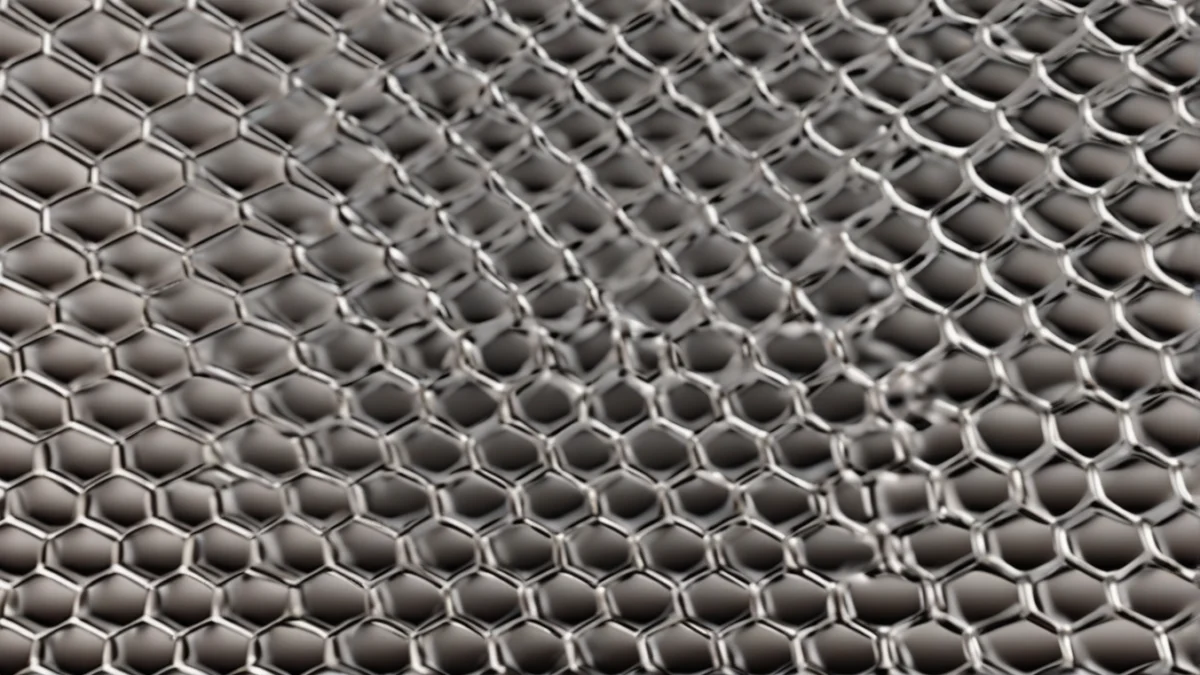
Graphene is a single layer of carbon atoms arranged in a hexagonal lattice. It conducts electricity and heat efficiently, allowing a graphene heated blanket to warm up almost instantly and distribute heat evenly without bulky wires. Unlike traditional electric blankets that use metal heating wires, graphene layers are flexible and lightweight, making the blanket thinner and easier to handle.
The benefits of graphene heated blankets include rapid heat-up times, consistent warmth across the blanket, and improved durability. The thin graphene sheets resist breaking or wearing out compared to traditional wires that can snap or cause hot spots. Many models meet Intertek safety standards, which means they have passed rigorous testing for electrical safety and performance.
Graphene heated blankets are also available in wearable daily life designs. These wearable heated blankets use graphene heating panels integrated into soft fabrics, allowing users to stay warm while moving around. They are popular for outdoor use or in cold indoor spaces where full blankets are impractical.
Despite these advantages, common challenges include occasional uneven heating due to manufacturing inconsistencies or damage to the graphene layer. Some users report trouble troubleshooting Intertek heated blankets if the heat control or safety features malfunction. The blankets require careful maintenance to avoid damage from folding or washing, which can degrade the graphene layers.
| Benefits | Challenges |
|---|---|
| Fast, even heating across the blanket | Uneven heating if graphene layer is damaged |
| Lightweight and flexible compared to wire blankets | Requires careful washing and handling |
| Durable graphene layers resist wear and breakage | Troubleshooting heat control issues can be complex |
| Many models meet Intertek safety standards | Higher upfront cost than traditional heated blankets |
How Graphene Heating Technology Works
Graphene heating technology uses thin layers of graphene, a single-atom-thick sheet of carbon atoms arranged in a hexagonal lattice. Graphene is an excellent conductor of electricity and heat, which allows it to generate warmth evenly across its surface when an electric current passes through.
This even heat distribution is a key advantage over traditional heating elements, such as wires or carbon fiber strips, that tend to have hot spots. Graphene spreads heat quickly and uniformly, reducing cold patches and providing consistent comfort.
Graphene heating technology achieves faster heating times because its low electrical resistance converts electricity into heat efficiently. The thin graphene layers heat up almost instantly and retain warmth well, which means the blanket reaches a comfortable temperature faster than conventional electric blankets.
Traditional electric blankets use thicker wires or fibers embedded in the fabric. These take longer to warm and can create uneven heating zones. They also add weight and stiffness to the blanket. Graphene’s flexibility allows the blanket to remain thin and lightweight, enhancing comfort and ease of use.
The power consumption of graphene heated blankets is typically similar to traditional models, around 100 to 150 watts, but the improved heat transfer means less wasted energy. Users can expect a more responsive heating experience with better temperature control.


Common Problems with Graphene Heated Blankets
Users often report uneven heating as a common problem with graphene heated blankets. This can happen if the graphene layers are damaged or if the electrical connections inside the blanket degrade over time.
Maintenance challenges include avoiding damage to the delicate graphene layers during washing or folding. Manufacturers usually recommend gentle hand washing or spot cleaning and warn against machine washing or excessive bending, which can cause cracks or breaks in the heating elements.
- Inspect the BlanketLook for visible damage to the fabric, wiring, or connectors before each use.
- Test the ControlsMake sure the heat settings respond correctly. If a setting fails, the controller might need servicing.
- Follow Cleaning InstructionsAvoid machine washing or drying unless the manufacturer explicitly permits it. Use gentle cleaning methods to preserve the graphene layer.
- Replace When DamagedDo not attempt to repair damaged wiring or heating elements yourself. Replace the blanket if internal components fail.
If a heated blanket stops working, unplug it immediately. Testing the power outlet and reset switches can help identify if the problem is external. For persistent issues, contact the manufacturer or a qualified technician. Never bypass safety features or use a malfunctioning blanket.
Proper care and handling extend the life of graphene heated blankets and keep safety risks low. Avoid folding the blanket tightly or placing heavy objects on it, as pressure can damage the graphene layer and wiring.
For more detailed troubleshooting and safety tips, see our guide on the best electric blanket.
Comparing Graphene Heated Blankets to Traditional Options
Graphene heated blankets differ from traditional electric blankets in how they distribute heat and their materials. Unlike traditional models that often use wire heating elements, graphene blankets use thin carbon layers that heat quickly and evenly. Some traditional electric blankets come with sherpa lining for softness, but many users prefer a heated blanket without sherpa for easier care and lighter weight.
| Feature | Graphene Heated Blankets | Traditional Electric Blankets |
|---|---|---|
| Heating Element | Thin graphene layers, carbon-based | Woven metal wires |
| Heat Distribution | More even, less hot spots | Can have uneven spots near wires |
| Warm-Up Time | Typically faster, under 5 minutes | Usually 5 to 10 minutes |
| Weight | Lightweight and flexible | Heavier due to wires and insulation |
| Durability | More resistant to wire breakage | Wires can break or short over time |
| Care | Machine washable if detachable controls | Machine washable but caution with wires |
| Comfort Options | Usually smooth fabric, no sherpa needed | Often available with sherpa or fleece lining |
| Safety Features | Auto shut-off, overheat protection | Auto shut-off, overheat protection |
| Price Range | Usually higher due to advanced tech | Wide range, generally lower cost |
Heating efficiency favors graphene blankets because their carbon layers heat uniformly without the wire hotspots common in traditional blankets. This uniform heat makes them more comfortable for many users. Traditional blankets with sherpa lining add softness but can trap heat unevenly and feel bulky. Choosing a heated blanket without sherpa often means lighter weight and easier maintenance, especially with graphene models.
User feedback highlights that graphene heated blankets excel in quick warmth and even heating. Users report fewer cold patches and appreciate the lightweight feel. Traditional electric blankets get good marks for comfort when sherpa or fleece linings are included, but some users mention wire wear and uneven heat as downsides. Both types require following safety instructions, including not folding the blanket while on and using the auto shut-off feature.
Graphene heated blankets suit users who want fast, even heat and a lighter, less bulky blanket. Traditional blankets remain popular for those who want plush softness from sherpa or fleece linings and a lower upfront cost. The choice depends on whether heating performance or fabric comfort is the priority.
Cost of Running a Graphene Heated Blanket
A typical graphene heated blanket uses about 100 watts of power. At this rate, running the blanket for 8 hours a day costs less than a dollar monthly with average US electricity rates. The running cost of an electric blanket depends directly on its wattage, daily use hours, and the local price per kilowatt-hour (kWh).
| Appliance | Watts | Per hour | Per day (8 h) | Per month (30 days) |
|---|---|---|---|---|
| Graphene heated blanket | 100 W | 1.7¢ | 14¢ | $4.08 |
Electricity prices vary by state and season, which affects your actual cost. Using the blanket for fewer hours or on lower heat settings reduces energy use. Many graphene blankets have adjustable heat levels; setting it lower when possible saves money without sacrificing comfort.
To optimize energy use, turn the blanket off when you don’t need it or use a timer if the model supports it. Avoid leaving it on all night unless the manufacturer specifically approves overnight use. Since graphene heats evenly and quickly, you can warm up faster and turn it off sooner compared to traditional blankets.
Frequently Asked Questions About Graphene Heated Blankets
Replacement cords for heated blankets must match the original specifications exactly. Use cords provided by the manufacturer or certified replacements to ensure safety and proper function. Never use a generic or damaged cord.
A red light on a heated blanket usually indicates it is powered on or warming up. If the red light stays on but the blanket does not heat, this could signal a malfunction or a faulty connection.
If your heated blanket is not working, first check the power source and connections. Inspect the cord for damage and make sure the controller is set correctly. If the blanket still won’t heat, unplug it and contact the manufacturer or a professional for repair or replacement.
Additional Tips
- Do not fold or bunch the blanket while it is on; this can damage the heating elements.
- Follow the manufacturer’s instructions for cleaning and maintenance to extend the blanket’s lifespan.
- If a heated blanket has an auto shut-off feature, use it to reduce fire risk and save energy.
- Replace any damaged parts promptly rather than attempting DIY repairs.
Frequently Asked Questions
What is a graphene heated blanket?
How does graphene heating technology work?
What are the advantages of using a graphene heated blanket?
What common issues do users face with graphene heated blankets?
How can I troubleshoot my heated blanket if it’s not working?
What is the cost of running a graphene heated blanket?
Before you buy anything, it is worth looking at ensuring blanket safety.
It helps to understand heated blankets with snoopy design before spending anything.
