
Many homeowners experience discomfort in rooms with poorly insulated walls, even when the thermostat reads a comfortable temperature. This sensation often stems from heat loss, cold drafts, or uneven temperature distribution.
How Poorly Insulated Walls Make a Room Feel Uncomfortable Even When Air Temperature Is Normal
A room with poorly insulated walls feels uncomfortable even if the air temperature reads normal because heat escapes or enters through the walls, causing cold or hot spots. This uneven temperature distribution leads to drafts and a sensation of chill or stuffiness that the thermostat does not capture.
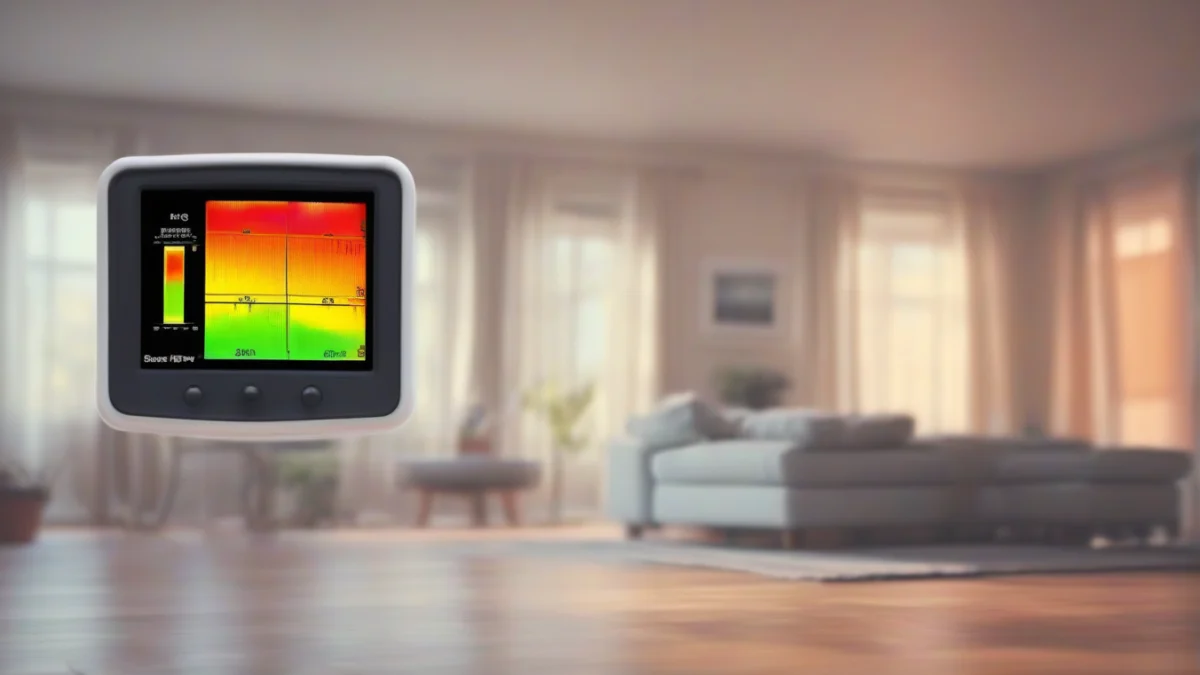
Heat loss through walls happens when insulation is missing or degraded. Walls act like a sieve, allowing warm air to leak out in winter and hot air to seep in during summer. Cold surfaces inside the room pull heat away from your body, making you feel colder despite the air temperature.
Thermal bridging worsens this effect. It occurs when materials like wood studs or metal fasteners conduct heat more than insulation around them, creating cold spots on walls. These spots lower surface temperature and increase discomfort.
Poor air sealing compounds the problem. Gaps around windows, doors, electrical outlets, and wall penetrations let drafts enter, which lowers the perceived temperature. Even a small leak can cause noticeable discomfort.
Humidity and air circulation also affect comfort. Dry air feels cooler, and stagnant air fails to distribute heat evenly. Without proper ventilation, moisture can build up, making the room feel clammy or promoting mold growth.
How to Improve Insulation and Comfort in Your Room
Keeping a poorly insulated room cold starts with stopping air leaks. Seal cracks and gaps with caulk or weatherstripping around windows, doors, and wall penetrations. Use foam sealant for larger gaps around pipes or vents.

- Locate Air LeaksInspect common leak points: window frames, door edges, electrical outlets, baseboards, and attic access. Use a candle or smoke stick to see where air moves.
- Seal Small GapsApply silicone or acrylic latex caulk to cracks under 1/4 inch wide. Replace worn weatherstripping on doors and windows for a tight seal.
- Fill Large OpeningsUse expanding spray foam around larger gaps and penetrations. Trim excess foam after it cures to allow drywall or trim installation.
Adding insulation to walls improves heat retention. If walls are open for renovation, install fiberglass batts or rigid foam boards between studs. For finished walls, consider blown-in cellulose or foam insulation injected through drilled holes.
Windows and doors are major sources of heat loss. Upgrade to double- or triple-pane windows with low-emissivity coatings if your budget allows. Use insulated curtains or cellular shades to reduce heat transfer.
Draft stoppers or door sweeps at the bottom of doors block cold air from entering. Close curtains at night to add a layer of insulation and keep the room warmer.
Improving insulation and sealing drafts together reduces heat loss, making the room feel warmer and more comfortable without raising the thermostat. This approach also lowers energy costs for heating and cooling.
When to Replace Insulation Instead of Repairing
A room is poorly insulated when it loses heat rapidly or feels drafty despite patch repairs. Look for signs like uneven wall or ceiling temperatures, visible damage or compression of insulation, and persistent moisture or mold growth. These indicate failure beyond simple fixes.
Replacing insulation pays off if the existing material is old, damaged, or inadequate for your climate. New insulation costs depend on type and thickness. Consider this against heating or cooling losses that add up over time.
| Insulation Type | R-Value per Inch | Best Use |
|---|---|---|
| Fiberglass Batts | 3.1 to 3.4 | Standard walls and attics |
| Spray Foam | 6 to 7 | Sealing gaps and irregular spaces |
| Cellulose | 3.2 to 3.8 | Blown-in for walls and attics |
| Rigid Foam | 4 to 6.5 | Basements, exterior walls |
The Importance of Air Quality and Circulation
Humidity affects how warm or cool a room feels. High humidity makes the air feel warmer because moisture slows the evaporation of sweat from your skin. Low humidity dries out the air, making it feel cooler than the thermostat reads.
Ventilation controls humidity and air freshness. Without proper ventilation, moisture can build up, causing discomfort and potentially promoting mold growth. Exchange stale indoor air with fresh outdoor air to maintain balance.
Good air circulation helps distribute heat evenly. Stagnant air near cold walls or windows increases cold spots, making the room feel less comfortable even if the temperature is normal. Fans or vents can improve airflow.
- Check Humidity LevelsUse a hygrometer to measure indoor humidity. Aim for 30% to 50% for comfort and health.
- Ventilate RegularlyOpen windows briefly or use exhaust fans in kitchens and bathrooms to remove excess moisture.
- Improve CirculationUse ceiling fans or portable fans to move air away from cold surfaces and mix warm air throughout the room.
Cost Considerations for Insulation Improvements
Insulation material costs vary widely. Fiberglass batts generally cost less than spray foam. Spray foam offers better air sealing but usually comes with a higher price per square foot installed.
Upgrading insulation reduces heating and cooling bills. On average, homeowners save 10% to 20% on energy costs after improving insulation. The payback depends on local energy prices and the home’s condition.
Long-term benefits include increased comfort, less wear on heating systems, and higher home value. Proper insulation also reduces drafts and temperature swings, improving overall satisfaction with the living space.
Budget for professional installation unless you have experience and the right tools. Mistakes in installing insulation can reduce its effectiveness or create moisture problems.
Consider combining insulation upgrades with sealing air leaks and improving ventilation to maximize savings and comfort.
For more on heating efficiency in poorly insulated spaces, see how to warm a poorly insulated basement and best heaters for consistent even room temperature.
