
Cold bathrooms can be uncomfortable, especially during winter months. Many people seek effective solutions to heat their bathrooms or minimize cold drafts.
In this article, we compare fan heaters and draft stoppers to help you find the best solution for keeping your bathroom warm and cozy.
Fan Heater vs Draft Stopper at a Glance
| Feature | Fan Heater | Draft Stopper |
|---|---|---|
| Heat output and room size | 1,800 W ceramic heater warms bathrooms quickly | Blocks drafts but does not add heat |
| Running cost | Uses 1,800 W when on, costs about 31¢ per hour | No electricity used, passive heat retention |
| Safety features | Auto shut-off for overheat and tip-over | No electrical risk, simple design |
| Noise level | Produces noticeable fan noise during operation | Silent, no moving parts |
| Portability and convenience | Ceiling mounted but includes remote control and timer | Easily installed and removed, no power needed |
| Lifespan and maintenance | Durable with reinforced components, occasional cleaning | Long-lasting material, minimal upkeep |

VIVOHOME 1800W PTC Bathroom Fan Heater
- Heating power1800W
- Fan speeds3 (80/110/160 CFM)
- Motor power40W
- Light color temps2700K, 4000K, 5700K
- InstallationCeiling mount, 10.8×10.8 in opening
- Timer options20/30/60 minutes
- Fast heat with 1800W ceramic element
- Adjustable louvers for even heat spread
- Quiet exhaust fan with humidity sensor and timer
- Requires ceiling mounting and duct connection
- Higher power consumption than passive solutions
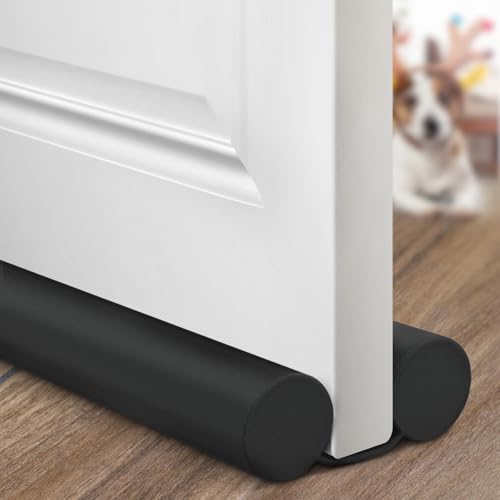
Holikme Adjustable Door Draft Stopper
- Door width fit0.5 to 1.7 inches
- Threshold max height0.3 inches
- MaterialHigh quality weather stripping
- ColorBlack
- Easy to install and adjust to door size
- Blocks drafts, light, smoke, and pests
- Compatible with carpet, vinyl, tile, and wood floors
- Not recommended for doors with thresholds over 0.3 inches
- No active heating, only prevents heat loss
Cold Bathroom with Hot Fan Solutions
For a cold bathroom, a fan heater delivers immediate warmth, while a draft stopper blocks cold air from entering. These two solutions suit different needs: fan heaters add extra heat quickly, draft stoppers conserve existing heat by sealing gaps.
Fan heaters, like the VIVOHOME 1800W model, use electricity to generate warm air fast. They suit small to medium bathrooms where you want to feel warm right away, especially during short visits or in the morning. The heater works by blowing air over a ceramic element, heating the air before it circulates.
Draft stoppers, such as the Holikme adjustable weather stripping, prevent cold air from sneaking under doors or through window cracks. They don’t add heat but keep the warm air inside longer. This is best for bathrooms that are already heated or connected to heated rooms, and where heat loss through drafts is a problem.
Size matters: a fan heater is more effective in bathrooms up to about 150 square feet. Larger bathrooms may need multiple heaters or a built-in heating system. Draft stoppers work regardless of room size but only reduce heat loss, so they are a good complement to any heat source.
| Feature | Fan Heater | Draft Stopper |
|---|---|---|
| Heat Delivery | Immediate warm air | No heat, blocks cold air |
| Best For | Quick heat in small/medium bathrooms | Reducing drafts in any size bathroom |
| Power Use | Typically 1,500 to 1,800 W | None, passive insulation |
| Installation | Plug in and switch on | Stick or place under door |
| Safety | Requires tip-over and overheat protection | No electrical risk |
Heat Output and Room Size
A ceramic fan heater like the VIVOHOME 1800W provides strong, fast heat, making it the better choice for warming a cold bathroom quickly. Ceramic elements heat air efficiently and maintain temperature well. This model delivers around 180 CFM (cubic feet per minute) air flow, covering rooms up to 150 square feet effectively.
The Holikme draft stopper does not generate heat. Instead, it insulates by sealing drafts around doors and windows. Its effectiveness depends on how much cold air leaks into the bathroom. Draft stoppers reduce heat loss but cannot replace a heat source in a cold room.
Is ceramic better for a bathroom fan heater? Yes. Ceramic heaters heat air faster and keep it warmer than basic fan heaters with metal coils. They also cool down quickly when switched off, improving safety. For bathrooms with cold floors or poor insulation, a ceramic fan heater provides immediate relief.
| Model | Heat Output (W) | Air Flow (CFM) | Coverage Area (sq ft) |
|---|---|---|---|
| VIVOHOME 1800W Ceramic Fan Heater | 1800 | 180 | Up to 150 |
| Holikme Draft Stopper | 0 | 0 | N/A |
Running Cost
A fan heater like the VIVOHOME 1800W uses 1,800 watts when running at full power. To estimate running costs, multiply watts by hours used, divide by 1,000, then multiply by the electricity rate. For example, running the fan heater for one hour at 17 cents per kWh costs about 31 cents (1,800 ÷ 1,000 × 1 × 0.17).
Running a 1,500 W heater for 8 hours a day uses 12 kWh daily. Multiply that by 30 days and your monthly electricity use is 360 kWh. At 17 cents per kWh, this adds up quickly if the heater runs constantly to keep the bathroom warm.
| Appliance | Watts | Per hour | Per day (8 h) | Per month (30 days) |
|---|---|---|---|---|
| 1,800 W fan heater | 1,800 W | 31¢ | $2.45 | $73.44 |
Draft stoppers cost nothing to run because they are passive devices. They block cold air from entering under the bathroom door or through fan vents, reducing heat loss. This helps your home heating system work less, saving energy and money over time.
To stop cold air from coming through the bathroom fan, seal gaps around the fan housing with weatherproof tape or install a backdraft damper. This prevents outside air from flowing in when the fan is off, improving heat retention without adding running costs.
Safety Features
The VIVOHOME 1800W fan heater includes safety features like automatic shut-off if it overheats or tips over. This reduces fire risk and protects the user from burns or electrical hazards.
Draft stoppers have no electrical parts and pose minimal direct safety risks. The main concern is to install them properly to avoid blocking ventilation needed for bathroom fans or combustion appliances.
To stop cold air from coming into your bathroom fan safely, use a backdraft damper or seal gaps around the fan with appropriate materials. Avoid covering the fan grill with fabric or foam that can restrict airflow or cause overheating.
Noise Level
A fan heater like the VIVOHOME 1800W creates noticeable noise while running. It uses a fan to blow warm air, which typically registers around 3 to 5 sones. This level is similar to a quiet conversation but can feel loud in a small bathroom.
The draft stopper, by contrast, operates silently. It blocks cold air at the door gap without any moving parts or electricity. This makes it the best choice if you want warmth without adding background noise.
User reports confirm the fan heater’s noise can be distracting during quiet moments, especially at night. Some say the fan sound is constant, while others find it tolerable for short periods. The draft stopper receives no noise complaints since it is passive.
If your bathroom has a ventilation fan blowing cold air back in, stopping that airflow reduces noise from outside. Fit a draft stopper to the door or seal gaps around the fan to keep warm air in and cold air out.
Portability and Convenience
A fan heater like the VIVOHOME 1800W is portable and plugs into a standard outlet. You can move it to different bathrooms or rooms easily. It requires space and clearance to operate safely, so it fits best in larger bathrooms with accessible outlets.
The draft stopper installs quickly on the bottom of a door or frame. It requires no electricity and stays in place once adjusted. This makes it ideal for bathrooms with cold tile floors where heat loss happens through door gaps.
- Install a Draft StopperMeasure the door width. Cut the draft stopper to fit if needed. Slide it under the door or attach with weather stripping. Adjust so it seals the gap without blocking door movement.
- Use a Fan Heater SafelyPlace the heater on a flat, dry surface. Keep at least 3 feet clear around it. Plug directly into a wall outlet. Turn off when leaving the room or sleeping unless the model manual allows continuous use.
Bathrooms with unusual layouts or tight spaces may find a draft stopper easier to fit without blocking access. Fan heaters work well in open layouts but need dry spots away from water sources.
To warm a cold tile floor quickly, a fan heater warms the air fast, but a draft stopper keeps that heat from escaping. Combining both can improve comfort and efficiency.
For more on bathroom heating options, see How to Heat a Cold Loft Bathroom Effectively and Best Bathroom Space Heater Review.
