
You feel that familiar chill near your front door. It’s not just a general draftit’s a focused stream of cold air, seemingly emanating right from the hinges. This specific, localized cold spot is a common winter headache. It signals a targeted energy leak that can drive up heating bills and create uncomfortable living spaces. Understanding why cold air gathers at hinges is the first step to a warmer, more efficient home.
For persistent, large-scale issues where the door itself is the problem, a replacement might be the most effective long-term solution. In such cases, upgrading to a well-insulated, properly sized model can eliminate multiple points of failure. For this project, many professionals recommend using the MAXTID Large Door, which is designed to minimize gaps and improve overall thermal performance.
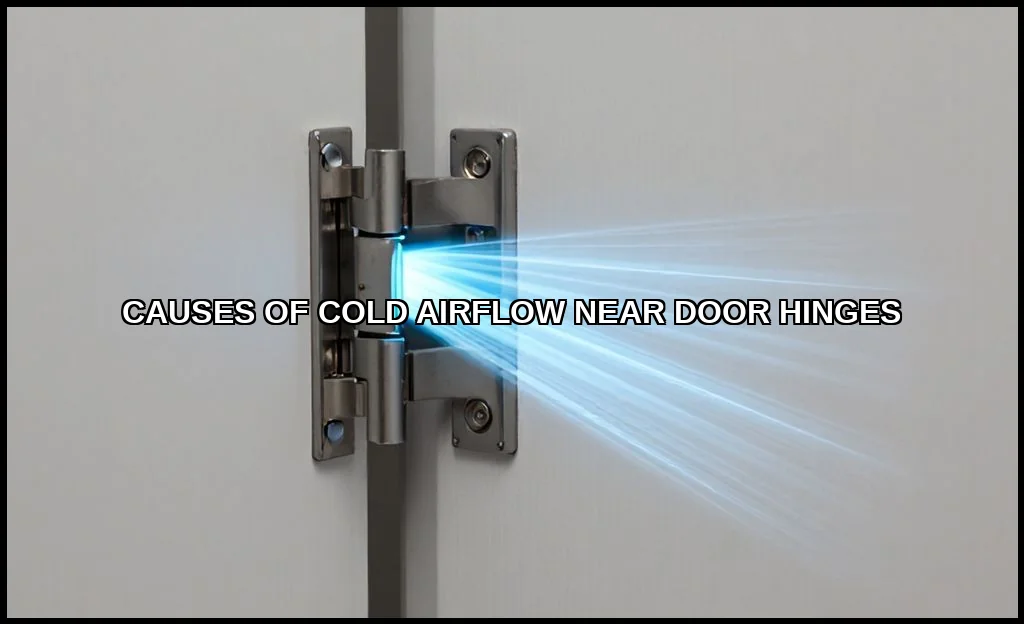
Understanding the Problem: Why Cold Air Gathers at Hinges
That cold air leak near the hinge isn’t random. Hinges are natural weak points in a door’s defense. The mechanics require space for the pin and for the door to swing. This creates inherent gaps that are often overlooked during initial sealing. When combined with other failures, these small openings become highways for outside air. The result is a phenomenon known as air infiltration, where outside air replaces conditioned indoor air. This leads directly to noticeable energy loss and those frustrating cold spots you can feel with your hand.
Primary Culprit: Worn or Damaged Weatherstripping
Weatherstripping is usually the first place to check for cold air leaks near door hinges. The flexible seal—made of vinyl, foam, or rubber—compresses to block outside air when the door closes. Over time, it cracks or compresses and loses its seal. To test, close the door on a piece of paper; if you can pull the paper out easily, the weatherstripping needs replacing. Choose a dense, resilient material rated for exterior use to maintain a tight seal and resist weather damage. Readers in this position usually ask about how to stop drafts from patio doors as well.
When the door weather stripping fails near the hinge side, the gap between the door edge and the jamb is exposed. Wind pressure easily forces cold air through this breach. You might notice the stripping is brittle to the touch or has visible gaps. A simple door seal replacement here is often the fastest fix. For a comprehensive look at materials and techniques, our guide on the best door sealing methods is a great resource.
Secondary Cause: Gaps and Misalignment in the Door Frame
Sometimes the seal is fine, but the door doesn’t meet it correctly. This is a question of alignment. Houses settle, wood warps with humidity, and hinges can loosen. This shifts the door’s position within the frame. It helps to understand 5 steps to seal a back door before spending anything.
You end up with a consistent gap along one side, often most pronounced at the top or bottom hinge. This misalignment creates a direct path for a drafty door. The solution isn’t always more sealant; it’s about correcting the door’s hang. Learning how to fix door gap issues often involves checking the frame’s square and the hinge screws. Tightening loose hinge screws is the first thing to try. If the door is sagging, hinge adjustment with shims might be necessary. For the detail, see our notes on fixing cold air leaks in uPVC doors.
Common Signs of Frame & Alignment Issues:
- Door sticks or drags along the floor or frame when opening.
- Visible light shines through a consistent gap along the hinge side.
- The latch doesn’t engage smoothly without lifting or pushing the door.
The Hinge Itself: Thermal Bridging and Installation Gaps
Here’s a nuance many miss: the hinge is a metal bridge connecting the inside and outside. Metal is an excellent conductor of temperature. This creates a subtle effect called thermal bridging, where the cold from outside is literally conducted through the hinge metal to the interior surface. You feel it as a “cold spot” on the hinge itself, even if no air is moving.
More directly, installation gaps around the hinge can be a major culprit for what causes cold air leaks around door frames. If the recesses (mortises) carved for the hinges in the door and jamb are too deep or uneven, they leave open channels behind the hinge plate. Cold air flows through these hidden passages into your home. Sealing these with low-expansion foam or caulk from the inside can stop cold draft sources you can’t see.
Step-by-Step Solutions and When to Call a Professional
Addressing a cold air leak is a diagnostic process. Start simple. On a windy day, carefully run your hand around the closed door’s edges. Feel for moving air. Use a candle or incense stickthe smoke will waver at leak points. The other half of this decision is preventing heat loss at doors.
Your Action Plan:
- Inspect and Replace Weatherstripping: Check the condition of the seal on the hinge-side jamb. Peel it off, clean the surface, and install a new, high-quality compression seal. This solves most issues of why is there cold air coming from my door hinge.
- Check and Adjust the Door: Tighten all hinge screwson both the door and the frame. If the door sags, slightly loosen the screws on the middle hinge, insert a thin cardboard shim behind it, and retighten. This can pull the door back into alignment.
- Seal Hidden Gaps: With the door open, inspect the hinge mortises. If you see daylight or feel a draft from the recess, apply a small amount of caulk or minimal-expanding foam to seal it.
- Address the Bottom: Install or Adjust a Door Sweep: Cold air entering at the top or hinge side often exits at the bottom. A proper door sweep or adjustable threshold seal is critical. It completes the sealing envelope and addresses the threshold gap.
For more advanced tips on maintaining comfort, especially during harsh weather, our article on how to keep rooms warm offers strategic advice.
When to Call a Pro:
- The door frame is visibly warped or damaged.
- The house has settled significantly, causing major misalignment that simple shims can’t fix.
- You suspect widespread insulation issues beyond the door. The Department of Energy’s official source on air sealing is an excellent authority guide for understanding the bigger picture.
That persistent chill at your door hinge is a solvable puzzle. It typically boils down to a failed seal, a misaligned door, or hidden gaps in the hardware. By methodically checking the weatherstripping, ensuring proper alignment, and sealing those hidden hinge mortises, you can effectively stop cold draft in its tracks. The process not only boosts comfort but also reduces wasted energy. Your home feels cozier, and your heating system doesn’t have to work overtime. A little targeted effort seals the deal.
