
You’ve sealed the windows, hung heavy curtains, and maybe even added a door sweep. Yet, a persistent, icy trickle of air still finds its way in. That culprit is often the humble keyhole. It’s a tiny gap, but over a winter, the cumulative draft excluder effect on your comfort and energy bills is surprisingly significant. This guide will walk you through practical, effective ways to stop cold air from door lock mechanisms and restore coziness to your home.
Addressing this issue is a smart move in any home energy efficiency plan. It’s a small fix with a noticeable impact. Before we dive into the solutions, if you’re looking for a quick, effective, and professional-looking option, many homeowners have great success with a dedicated Keyhole Draft Stopper. These are simple inserts that block the airflow without interfering with your key. Now, let’s understand the problem and explore all your options, from DIY hacks to permanent installations.
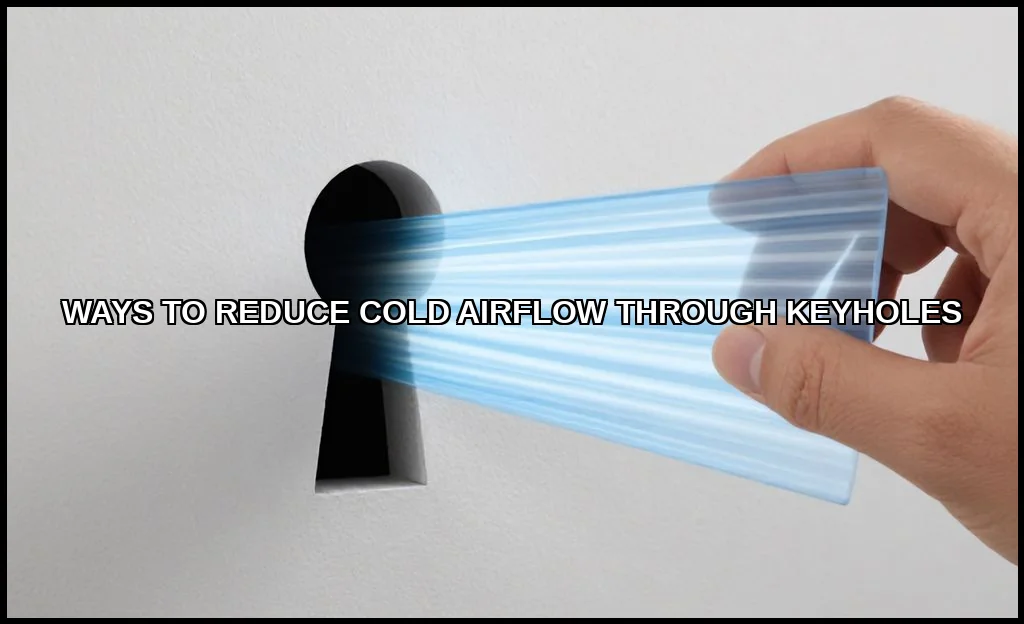
The Sneaky Science of the Keyhole Draft
Does a keyhole let in cold air? Absolutely. It’s a direct, uninsulated passage between the inside of your home and the outside environment. Air moves from areas of high pressure to low pressure. On a windy, cold day, the pressure outside your door is often higher, forcing air through any available openingincluding the keyhole and the mechanical gaps around the lock itself. This phenomenon is precisely what we mean when we talk about a door lock draft.
It’s not just about the hole for the key. The entire lock mechanism, where it sits within the door, can be a source of leaks. This is why a comprehensive approach often works best. If you’ve ever wondered why your house feels chilly despite other efforts, these micro-drafts are a prime suspect. They undermine your insulation and heating, creating cold spots and forcing your system to work harder. There is more on stopping cold air from vents in a guide of its own.
Quick Fixes & Temporary Blockades
Need a solution right now? These methods use common household items and provide immediate, though sometimes temporary, relief. They are perfect for renters or as a stopgap before a more permanent fix.
- Felt or Foam Padding: Cut a small piece of adhesive-backed foam or felt. Simply stick it over the keyhole from the inside when the door is not in use. It’s a rudimentary but effective keyhole cover.
- The Key Itself: The simplest method. Leave your key in the lock on the inside. It physically blocks the hole. Just remember to remove it before locking the door from the outside!
- Blu Tack or Poster Putty: Mold a small amount over the keyhole from the inside. It’s easily removable and reusable, making a great homemade keyhole draft stopper.
- Fabric or Tape: A piece of duct tape or a small square of fabric secured with tape can work in a pinch. It’s not pretty, but it will stop cold air coming through keyhole gaps immediately.
These are brilliant for a sudden cold snap. For a more durable and aesthetically pleasing solution, you’ll want to look at dedicated products or modifications.
Installing a Permanent Keyhole Cover Plate
For a clean, long-term solution, installing a dedicated keyhole cover plate is the way to go. This is a small metal or plastic plate that mounts over the keyhole, often with a hinged or sliding flap. When you need to use the key, you open the flap. The rest of the time, it’s sealed shut, acting as a robust draft excluder for keyhole.
How to Install a Keyhole Cover
- Choose Your Cover: Select a cover that matches your door’s finish (brass, nickel, bronze) and is large enough to fully cover the keyhole and any surrounding wear.
- Position and Mark: Hold the cover plate over the keyhole. Use a pencil to mark the screw holes. Ensure the flap’s mechanism has clearance to open freely.
- Drill Pilot Holes: Using a drill bit slightly smaller than your screws, drill pilot holes at your marks. This prevents the wood from splitting.
- Attach the Plate: Align the cover plate and secure it with the provided screws. If the screws are too long, they might protrude on the other side of the door, so choose an appropriate length.
- Test the Flap: Open and close the flap several times to ensure smooth operation. You now have a permanent barrier against drafts.
This method of insulating keyhole is highly effective and adds a finished look to your door. It’s a small upgrade that pays off every winter.
Beyond the Keyhole: Complementary Door Sealing
Stopping the draft at the keyhole is smart, but it’s just one part of a sealed door. To truly keep the cold out, you need to address all the edges. This is where comprehensive weather stripping comes in.
- Door Sweeps: Installed at the bottom of the door, these block the largest gap. A door draft blocker here is non-negotiable for energy efficiency.
- Weatherstrip Tape: Apply self-adhesive foam or rubber tape around the door frame. It compresses when the door closes, creating an airtight seal.
- Draft Stoppers for the Bottom: For interior doors or temporary fixes, a fabric “snake” placed along the door bottom is a classic solutionsimilar in concept to a letterbox draught excluder for your main entry.
Think of it as a system. The weather stripping seals the perimeter, the sweep seals the bottom, and your keyhole cover seals the puncture. For a complete overview of air-sealing strategies, the Department of Energy’s official source is an invaluable authority guide. There is more on tips for heating corners in a guide of its own.
When DIY Isn’t Enough: Calling a Professional
Most keyhole draft issues are firmly in the DIY realm. However, there are times when the problem is more complex. If you’ve sealed the keyhole and added weatherstripping but still feel a strong draft, the issue might be with the door itself or its installation.
Consider calling a professional if:
- The door is warped or no longer sits square in its frame.
- The lock mechanism is loose or improperly installed, creating large gaps beyond the keyhole itself.
- You have a historic door with a complex lock where modifications are not desired.
- There is significant moisture or rot around the door frame, indicating a larger structural issue.
A skilled carpenter or door specialist can assess whether the door needs re-hanging, planing, or a more sophisticated sealing solution. Sometimes, the best “keyhole insulation” is part of a broader door repair.
Making the Right Choice for Your Home
So, what’s the best keyhole cover to block drafts? It depends. For a quick, non-permanent fix, the homemade solutions are unbeatable. For a balance of ease and permanence, a purchased Keyhole Draft Stopper insert is ideal. For the ultimate integrated look and durability, a installed keyhole cover plate wins.
The goal is to prevent draughts through locks and every other gap. It’s a cumulative effort. Each small seal adds up to a warmer, quieter, and more energy-efficient home. You’ll notice the difference on the next windy nightno more that faint, chilling whistle from the direction of your front door.
Start with the keyhole. Then check the edges. Feel for drafts with the back of your hand on a cold, windy day. Your comfort, and your wallet, will thank you for taking these small, impactful steps toward a truly sealed home.
