
Finding the right propane tankless water heater can be overwhelming. With various options available, it’s essential to choose a model that meets your household’s hot water demands efficiently.
This guide highlights the best propane tankless water heaters to help you make an informed decision quickly.
Propane Tankless Water Heater Comparison
| Product | Best for | Flow Rate (GPM) | BTU | Indoor/Outdoor | Size | Price |
|---|---|---|---|---|---|---|
| Rinnai V53DeP Propane Tankless Water Heater | Best Overall | 5.3 | — | Outdoor | Compact | Check price |
| Rheem RTG Series 7.0 GPM Propane Tankless Water Heater | Best for Large Homes | 7.0 | 160,000 | Outdoor | — | Check price |
| APUS 140,000 BTU Propane Tankless Water Heater | Best Smart Control | 6.8 | 140,000 | Indoor | 20.55″ tall | Check price |
| APUS 95,000 BTU Propane Tankless Water Heater | Best Budget Indoor | 4.42 | 95,000 | Indoor | 20.55″H × 13.27″W × 5.91″D | Check price |
| VEVOR 100,000 BTU Propane Tankless Water Heater | Best for Safety Features | — | 100,000 | Indoor | — | Check price |


Top Picks for Propane Tankless Water Heaters
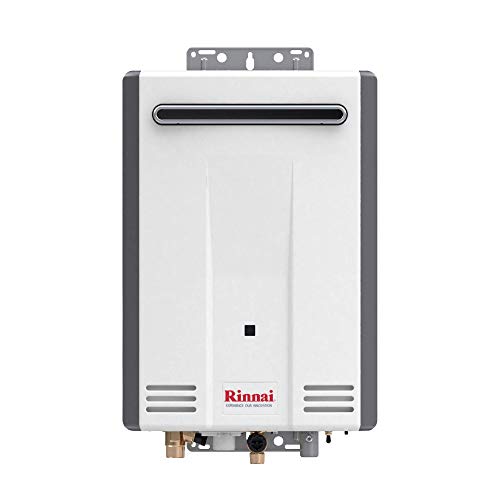
Rinnai V53DeP Propane Tankless Water Heater
- Flow Rate (GPM)5.3
- BTU—
- Indoor/OutdoorOutdoor
- SizeCompact
- 5.3 GPM flow rate supports busy households
- Energy-efficient on-demand heating
- Compact design fits small spaces
- Robust warranty on heat exchanger and parts
- Outdoor use only
- Installation requires a qualified technician
Rheem RTG Series 7.0 GPM Propane Tankless Water Heater
- Flow Rate (GPM)7.0
- BTU160,000
- Indoor/OutdoorOutdoor
- Size—
- High 7.0 GPM flow rate for whole house
- 160,000 BTU output supports multiple bathrooms
- Outdoor installation with no venting needed
- Energy-efficient with 0.82 UEF rating
- Outdoor installation only
- Requires professional installation
APUS 140,000 BTU Propane Tankless Water Heater
- Flow Rate (GPM)6.8
- BTU140,000
- Indoor/OutdoorIndoor
- Size20.55″ tall
- High 6.8 GPM flow with booster pump
- Smart WiFi remote control
- Instant hot water with zero cold water tech
- Advanced safety features and ECO mode
- Indoor use only
- Short 2-year warranty
APUS 95,000 BTU Propane Tankless Water Heater
- Flow Rate (GPM)4.42
- BTU95,000
- Indoor/OutdoorIndoor
- Size20.55″H × 13.27″W × 5.91″D
- Precise ±1°F temperature control
- Low-flow start technology saves energy
- Compact size with LED touchscreen
- Built-in intelligent freeze protection
- Lower flow rate than larger models
- Indoor use only
VEVOR 100,000 BTU Propane Tankless Water Heater
- Flow Rate (GPM)—
- BTU100,000
- Indoor/OutdoorIndoor
- Size—
- Multiple safety protections for family security
- Precise ±1°F temperature control
- Large LED display with touch panel
- Easy installation with standard fittings
- No flow rate specified
- Indoor use only
How to Choose the Best Propane Tankless Water Heater
Choose a propane tankless water heater by matching its flow rate and BTU rating to your household needs. Flow rate, measured in gallons per minute (GPM), determines how much hot water the unit can deliver at once. Pick a model with a flow rate that meets or exceeds your peak demand to avoid running out of hot water during simultaneous use.
The BTU rating shows the heating capacity. Higher BTUs mean the heater can raise water temperature faster or handle higher flow rates. For example, a 150,000 BTU unit heats more water or colder incoming water than a 100,000 BTU model at the same flow rate.
| Feature | What to Check |
|---|---|
| Flow Rate (GPM) | Match to peak household demand, typically 4 to 7 GPM for most homes |
| BTU Rating | Higher BTUs for colder climates or higher demand |
| Installation Type | Indoor units need venting; outdoor units require weatherproofing |
| Safety Features | Look for flame failure devices, overheat protection, and proper certifications |
| Size and Space | Measure installation space; propane units vary in size and venting needs |
Decide on indoor or outdoor installation early. Indoor propane heaters require venting to expel combustion gases safely, which adds installation complexity and cost. Outdoor models vent naturally but must be rated for weather exposure and freezing temperatures.
Sizing and Heat Output for Propane Tankless Water Heaters
Sizing a propane tankless water heater depends on your household’s peak hot water demand and the temperature rise needed. GPM is the flow rate of hot water you want at once; common peak demands range from 4 GPM for small homes to over 7 GPM for larger families.
Calculate peak demand by adding the flow rates of simultaneous fixtures—for example, a shower (2.5 GPM) plus a dishwasher (1.5 GPM) equals 4 GPM. Choose a unit that can supply this total flow at your required temperature rise.
| Household Size | Peak Demand (GPM) | Recommended BTU Rating |
|---|---|---|
| 1-2 people | 3-4 | 100,000 – 130,000 |
| 3-4 people | 4-6 | 130,000 – 180,000 |
| 5+ people | 6-8 | 180,000 – 199,000+ |
BTU ratings reflect the heater’s power to raise water temperature. The colder your incoming water, the higher the BTU rating you need to maintain a steady hot water flow. For example, in cold climates, expect to require the upper range of BTUs.
Multiple simultaneous uses require a unit with sufficient flow rate and BTU capacity. If you have a large household or frequently run several fixtures at once, pick a model with a higher GPM and BTU rating. The Rinnai V53DeP offers 5.3 GPM, suitable for average homes, while APUS models provide higher flow rates for larger demands.
| Appliance | Watts | Per hour | Per day (8 h) | Per month (30 days) |
|---|---|---|---|---|
| Rinnai V53DeP 5.3 GPM heater | 6,000 W | $1.02 | $8.16 | $244.80 |
| Electric 1,500 W heater for comparison | 1,500 W | 26¢ | $2.04 | $61.20 |
Running Costs of Propane Tankless Water Heaters
A propane tankless water heater typically costs between 25 and 60 cents per hour to run, depending on its BTU rating and your local propane price. These heaters convert propane into heat at efficiencies of 80% to 95%, making them more economical than traditional tank models that lose heat from stored water.
To calculate operating cost, multiply the heater’s BTU input by the hours used, then divide by 100,000 (BTUs per therm) and multiply by the propane price per therm. For example, a 150,000 BTU heater running for one hour uses 1.5 therms. At $3.50 per therm, that costs about $5.25 per hour of full output; however, actual use cycles on and off, lowering average consumption.
Tankless heaters only use propane when hot water runs, unlike tank heaters that keep water hot all day. This on-demand operation reduces fuel waste and cuts monthly costs. Households with moderate hot water needs often see savings of 10% to 30% on fuel compared to tank heaters.
Flow rate and temperature rise also affect propane use. Higher flow rates or colder incoming water require more BTUs, increasing consumption. Insulating pipes and setting the heater to the lowest acceptable temperature can improve efficiency.
| Appliance | Watts | Per hour | Per day (4 h) | Per month (30 days) |
|---|---|---|---|---|
| Typical electric tank heater | 4,500 W | 77¢ | $3.06 | $91.80 |
Safety Features and Certifications
Look for propane tankless water heaters with CSA or UL certification. These marks indicate the product meets strict safety and performance standards required for propane appliances in the US.
Key safety features include flame failure detection, which shuts off the gas if the flame goes out, preventing leaks. Freeze protection guards the heater from damage in cold climates by activating internal heating elements when temperatures drop near freezing.
Proper installation is critical for safety. A licensed plumber or gas technician should install the heater following manufacturer guidelines and local codes. Venting must be secure and unobstructed to prevent carbon monoxide buildup.
Regular maintenance ensures safety features function correctly. Check and clean vents, inspect the flame sensor and burners annually, and replace any worn parts. Never attempt repairs involving gas connections yourself.
Common Misconceptions About Propane Tankless Water Heaters
Propane tankless water heaters are reliable and can supply continuous hot water, debunking the myth that they run out quickly. Their flow rate and heating capacity ensure hot water on demand, as long as the unit is properly sized for your household.
Some believe installation is simple, but propane tankless heaters require professional setup due to gas line connections and venting needs. Regular maintenance, including descaling and inspecting the burner, keeps the heater efficient and safe.
Tankless systems are often misunderstood as less efficient than storage tanks. In reality, they heat water only when needed, cutting standby energy losses common in tank models. This can lower fuel use and reduce your monthly cost.
Another misconception is that tankless units have a shorter lifespan. Properly maintained propane tankless water heaters typically last 20 years or more, matching or exceeding traditional tank heaters. The lack of a large water tank reduces corrosion risks that shorten tank lifespan.
If you want more detailed brand comparisons or smaller units, check out our guides on top tankless water heater brands and mini tankless water heaters for small spaces. They cover sizing, reliability, and features to help you choose the right model.
Frequently Asked Questions
What is the best propane tankless water heater for a family?
How long do propane tankless water heaters last?
Can a propane tankless water heater work in freezing temperatures?
What size propane tank is needed for a tankless water heater?
Are propane tankless water heaters worth the investment?
What maintenance do propane tankless water heaters require?
If that sounds like your room, read up on tankless water heaters with backup next.
Readers in this position usually ask about combining heating systems as well.