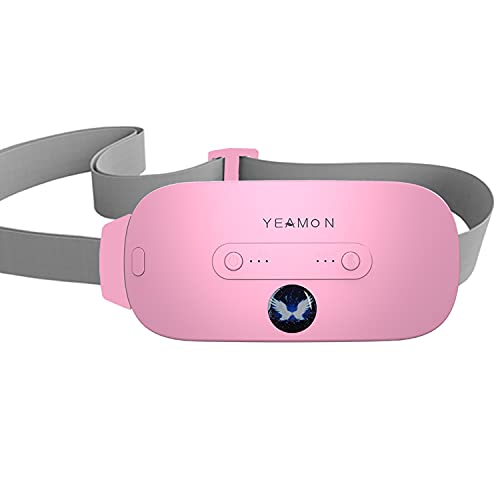
Portable heating pads provide targeted warmth to ease muscle tension and menstrual cramps, making them essential for comfort on the go. With various options available, finding the right one can be overwhelming.
Portable Heating Pads Comparison
| Product | Best for | Heat Levels | Battery Life | Size | Massage Modes | Price |
|---|---|---|---|---|---|---|
| Comfytemp Portable Belly and Back Heating Pad | Best Overall | 3 | 2–6 hours | Expanded belly and back | — | Check price |
| Zolly Portable Heating Pad with Massage | Best Massage | — | Up to 6 hours | Slim and wearable | Yes | Check price |
| Flyhorse Cordless Menstrual Heating Pad Belt | Best for Custom Heat | 4 | — | 8.3 x 9 inches | 4 | Check price |
| Yumera Kirano Menstrual Heating Pad | Best Battery Capacity | 3 | — | — | 4 | Check price |
| shesangel 6-Level Heat and Massage Pad | Best for Heat Options | 6 | — | — | 6 | Check price |


Top Picks for Portable Heating Pads
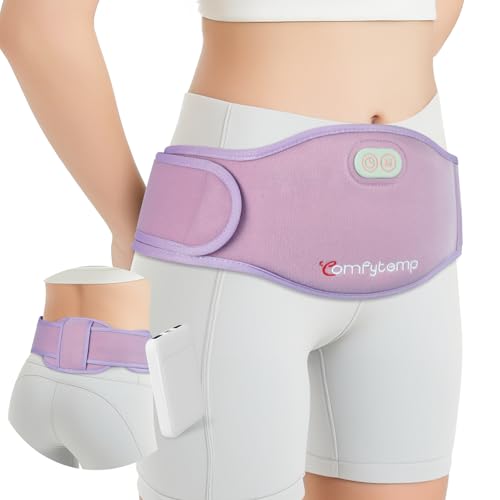
Comfytemp Portable Belly and Back Heating Pad
- Heat Levels3 (104°F–145°F)
- Battery Life2–6 hours
- CoverageExpanded belly and back
- Timer15, 30, or 45 minutes auto shut-off
- Dual heating zones for belly and back
- Cordless with long battery life
- Customizable heat levels and smart timer
- Highest heat setting lasts only about 2 hours
- May be bulkier than single-zone pads
Zolly Portable Heating Pad with Massage
- Battery Capacity4000mAh
- CordlessYes
- MaterialSoft silicone and ABS plastic
- Heat plus massage for enhanced relief
- Slim, discreet, and wearable design
- Long battery life with fast charging
- Massage modes not specified in detail
- Higher price due to combined features
Flyhorse Cordless Menstrual Heating Pad Belt
- Heat Levels4 (104°F–149°F)
- Battery Capacity2×1800mAh
- Heating Area8.3 x 9 inches
- Massage Modes4
- Four heat levels and massage modes
- Fast heating in 3 seconds
- Wide heat coverage and flexible fit
- Battery capacity split between two 1800mAh batteries
- May be heavier due to dual batteries
Yumera Kirano Menstrual Heating Pad
- Battery Capacity1800mAh
- Heat Levels3
- Massage Modes4
- FSA/HSA EligibleYes
- Upgraded 1800mAh battery
- Three heat levels and four massage modes
- Lightweight and wearable design
- Battery smaller than some competitors
- Heating area and coverage size not specified
shesangel 6-Level Heat and Massage Pad
- Heat Levels6
- Massage Modes6
- Battery Capacity3000mAh
- Noise Level
- FSA/HSA EligibleYes
- Six heat levels and massage modes
- Fast heating and long battery life
- Low noise operation under 40dB
- Battery smaller than top capacity models
- No wider heating area specified
How to Choose a Portable Heating Pad
Choosing the best portable heating pad starts with matching the device to your specific needs. Battery life is critical for cordless models; look for pads that run at least 4 to 6 hours on a full charge to cover typical use sessions. Charging time varies, but a fast recharge under 3 hours keeps the pad ready for daily use.
Heat settings and customization options let you control comfort and relief intensity. Pads with multiple heat levels, like four or more, offer flexibility for sensitive or stubborn areas. Some models have dual-zone heating, allowing separate control for different parts of the pad.
Size and fit affect how well the pad covers the painful area and stays in place. Choose a pad large enough to cover your lower abdomen or back but not so bulky it hinders movement. Adjustable straps or ergonomic shapes improve comfort and keep the pad positioned during activity.
Portability depends on the pad’s weight and how easily you can carry it. Lightweight designs under 1.5 pounds are best for use on the go or at work. Consider if the pad folds or rolls for storage in a bag or purse.
| Feature | What to Look For |
|---|---|
| Battery Life | 4 to 6 hours for cordless convenience |
| Charging Time | Under 3 hours preferred |
| Heat Settings | Multiple levels with customizable zones |
| Size and Fit | Large enough for coverage, ergonomic design |
| Portability | Lightweight under 1.5 pounds, foldable |
A portable auxiliary heating unit like a heating pad complements other heat sources by targeting specific painful areas with direct warmth. For menstrual cramps and muscle relief, the Comfytemp Portable Belly and Back Heating Pad stands out. It offers dual-zone heating and cordless use, making it the best portable heating pad for most people.
Sizing and Heat Output
The size of a heating pad determines how much of your body it covers and how evenly heat spreads. A larger pad covers more area but uses more power to maintain temperature. For menstrual cramps, a pad around 12 by 24 inches usually covers the lower abdomen and back effectively.
Adjustability is important to fit different body types. Pads with flexible shapes or adjustable straps conform better to curves and keep contact with the skin. This improves heat transfer and prevents hot spots or cold patches.
Heat output relates directly to the size and power of the pad. Larger pads often have higher wattage, typically between 30 and 50 watts, to maintain steady warmth. Smaller pads use less power but may not provide enough coverage for extended relief.
Portable heating pads designed for use in windy or drafty environments need reliable heat retention. Look for models with insulated covers or materials that trap heat close to the skin. This prevents heat loss and improves effectiveness outdoors or in chilly rooms.
Using a heating pad safely means limiting sessions to 15 to 30 minutes at a time and avoiding direct skin contact with high heat. Always follow manufacturer instructions on temperature settings and never fall asleep with a heating pad unless it has an auto shut-off feature. Proper sizing and heat output help maintain comfort without risk of burns.
For more detailed safety advice, see our guide on how to use a heating pad safely.
Safety and Certification
Portable heating pads are efficient because they send heat straight into your muscles instead of trying to warm the whole room, but that also means you need to control how hot they get and how long they stay on. A portable rechargeable heating pad is safe to use daily when you keep the temperature moderate, limit session length, and rely on its safety features instead of running it on high for hours.
Look for a built-in auto shut-off set around 30 to 60 minutes on any portable or rechargeable pad. This limits skin exposure and protects you if you fall asleep or get distracted, especially with belt-style pads you can wear under clothes; still turn it off manually once you are done.
- Keep the temperature reasonableStart on low or medium, especially over the abdomen. Raise the setting only if you still feel cool after a few minutes instead of going straight to the highest level.
- Treat auto shut-off as the maximum timeUse each cycle as a single session, then let your skin cool down completely before starting another.
- Add a thin layer if neededIf your skin is sensitive, place a light T-shirt or waistband between the pad and your body so the heat builds more gradually and hot spots are less likely.
A safe portable heating pad should carry a UL, ETL, or CSA mark on the tag, plug, or battery pack. These certifications show the pad and its electronics were tested for electrical faults, overheating, and basic fire safety; skip unmarked products, especially cordless models with built-in batteries or removable power banks.
Choose pads made from soft, breathable fabric such as cotton or microplush, and stop using any pad that causes itching, unusual redness, or a strong plastic or chemical smell. Rough, stiff, or sticky materials trap hot spots against the skin and make burns more likely during longer sessions.
Follow the manual about folding, rolling, or sitting on the pad. Do not pin it, do not bunch it under your body, and stop immediately if you see flickering lights, smell hot plastic, or feel any area that is much hotter than the rest, since those are signs of a damaged heating element or cord.
Inspect the cord, plug, and battery leads before each season of use. If you find a frayed wire, loose connector, or cracked battery pack, replace the whole pad instead of trying to repair it yourself, and plug wall-powered pads directly into a wall outlet rather than a power strip or extension cord.
For more detail on temperatures, positions, and safe session length, see how to use a heating pad safely before using a new pad for daily menstrual cramps or muscle pain.
Understanding Running Costs of Portable Heating Pads
For portable heating pads, “running cost” means the electricity used to recharge the battery and, for disposable warmers, what you spend on refills. A typical cordless pad draws around 5 to 15 watts, so it behaves like a tiny portable auxiliary heating unit for your body, not a room heater.
How To Compare Energy Use
To compare running costs, look at wattage and hours of use. The energy a pad uses each day is watts \/ 1,000 × hours. A 10 W portable heating pad used for 2 hours a day is 10 \/ 1,000 × 2 = 0.02 kWh per day, or 0.6 kWh over a 30-day month. At an electricity rate of $0.17 per kWh, that adds only a small fraction of a dollar to your bill each month.
A plug-in electric heating pad might draw 40 to 60 W on high, so the same 2 hours a day could use roughly four to six times more electricity than a small portable pad. A 1,500 W space heater uses around 75 times more energy than a 20 W pad for the same run time, which is why direct-contact heat is the most efficient portable heating process for cramps and muscle pain.
| Appliance | Watts | Per hour | Per day (2 h) | Per month (30 days) |
|---|---|---|---|---|
| 10 W portable heating pad | 10 W | 0.2¢ | 0.3¢ | 10¢ |
| 50 W plug-in heating pad | 50 W | 0.9¢ | 1.7¢ | 51¢ |
| 1,500 W portable space heater | 1,500 W | 26¢ | 51¢ | $15.30 |
Efficiency In Drafty Rooms And Windy Conditions
Heating pads stay efficient even in a drafty bedroom, on a cold office chair, or outdoors under a coat on a windy day because the pad rests directly against your skin or clothing. Wind strips heat from the air quickly, so warming the whole area with a space heater is wasteful, but the same wind barely affects a covered pad pressed to your abdomen or lower back.
If you want to warm the air in a larger space instead of a small sore area, a heater is the right tool, not a pad. For that job, look at a best portable battery powered heater or mains-powered portable electric heaters that warm rooms fast rather than turning a high-heat setting on a pad and waiting for the room to feel different.
Rechargeable Batteries, Auto Shut-Off And Hidden Costs
Rechargeable lithium-ion packs can last hundreds of charge cycles, so even daily use keeps the per-session cost very low. Higher heat settings drain the battery faster and force more frequent recharges, so using the lowest setting that still eases your pain saves both battery wear and electricity.
Automatic shut-off is a safety feature and a cost saver. A timer that stops a session after 30 to 60 minutes prevents a portable rechargeable heating pad from running unused in your bag or on your bed and chewing through a full charge. It also reduces the chance of skin irritation from overuse; if you have reduced sensation, diabetes, circulatory problems, are pregnant, or have a medical question about heat therapy, ask your doctor before extending session times.
Rechargeable pads are cheaper to run and create less waste than disposable chemical warmers, which you throw away after each use. When the battery eventually wears out, recycle it through an electronics or battery drop-off so the low running cost does not turn into a high environmental cost.
Unique Features of Our Top Picks
Portable heating pads stand out with features that suit windy conditions and varied pain relief needs. The Comfytemp Portable Belly and Back Heating Pad leads as the best portable heating pad because it combines cordless use with dual-zone heating, allowing targeted warmth even on the go.
Innovative heating technologies include fast-heating carbon fiber elements and advanced temperature control. These allow the pads to reach therapeutic heat levels quickly and maintain a steady temperature without hot spots or burns. Some models use flexible heating panels that conform to body curves, improving contact and comfort.
Design and comfort matter for all-day wear. Our top picks use soft, breathable fabrics with adjustable straps or wraps to keep the pad securely in place. Lightweight construction and cordless operation free users from being tethered to an outlet, making them ideal for use outdoors or in drafty rooms where wind reduces heat retention.
Versatility extends beyond menstrual cramps. Several pads offer multiple heat settings and sizes to address muscle pain, joint stiffness, or lower back discomfort. Rechargeable batteries with long run times support extended use without interruption. Some models include auto shut-off for safety during sleep or long sessions.
For windy environments, portability and cordless function mean the heating pad keeps working without needing a protected power source. The Comfytemp’s dual-zone heat and adjustable fit make it the best choice for those who need reliable relief while moving or sitting outdoors.
Frequently Asked Questions
What is the best portable heating pad for menstrual cramps?
How long does the battery last on a portable heating pad?
Can I use a heating pad while sleeping?
What safety features should I look for in a heating pad?
How do I clean my portable heating pad?
Are there any side effects of using a heating pad?
If that sounds like your room, read up on safe heating pad application time next.
There is more on can you buy blanket with hsa in a guide of its own.