
Menstrual cramps can be debilitating, making it difficult to go about your daily activities. The right heating pad can offer soothing relief, helping to ease discomfort and promote relaxation.
With various options available, selecting the best heating pad for menstrual cramps can be overwhelming. This guide highlights top picks that deliver effective and convenient pain relief.
Heating Pad Feature Comparison
| Product | Best for | Heat Settings | Auto Shut-off | Size | Price |
|---|---|---|---|---|---|
| Zolly Menstrual Heating Pad Portable Cordless | Best Overall | Heat & massage | — | Wearable, slim | Check price |
| ThermaCare Menstrual Heating Pads 6 Count Wraps | Best Disposable | One heat level | Up to 8 hours | Thin heat wrap | Check price |
| Comfytemp Cordless Belly and Back Heating Pad | Best Dual Zone | 3 heat levels (104°F–145°F) | 15, 30, or 45 minutes | Expanded belly and back | Check price |
| Flyhorse Portable Cordless Heating Pad with Massage | Best Massage Modes | 4 levels (104°F–149°F) | — | 8.3 x 9 inches | Check price |
| vilicert Large Wrap Heating Pad with Timer | Best Large Size | 6 levels (104°F–149°F) | 1, 2, 4, or 6 hours | 12 x 24 inches | Check price |




Top Heating Pads for Menstrual Cramps
Zolly Menstrual Heating Pad Portable Cordless
- Heat SettingsHeat & massage
- Auto Shut-off—
- SizeWearable, slim design
- Cordless and rechargeable for freedom of movement
- Combines heat with therapeutic massage
- Soft silicone surface comfortable for extended wear
- Higher price point than disposable pads
- Massage feature may not suit everyone
ThermaCare Menstrual Heating Pads 6 Count Wraps
- Heat SettingsOne heat level
- Auto Shut-offUp to 8 hours
- SizeThin heat wrap
- Up to 8 hours of deep penetrating heat
- Flexible, thin design fits under clothes
- Easy adhesive application for mess-free wear
- Single-use, not rechargeable
- No massage function
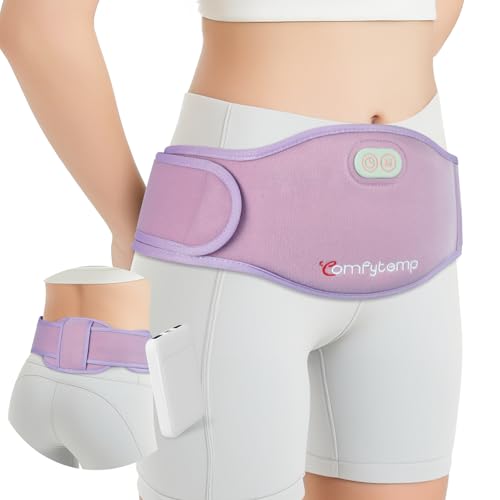
Comfytemp Cordless Belly and Back Heating Pad
- Heat SettingsHeat Settings: 6 heat levels (104°F–149°F)
- Auto Shut-off15, 30, or 45 minutes
- SizeExpanded belly and back coverage
- Dual heating zones for back and belly
- Adjustable heat with smart timer
- Cordless with long battery life
- Maximum 2 hours on highest heat setting
- No massage feature
Flyhorse Portable Cordless Heating Pad with Massage
- Heat SettingsHeat Settings: 4 levels (104°F–149°F)
- Auto Shut-off—
- Size8.3 x 9 inches
- Fast heat-up in 3 seconds
- Four massage modes for muscle tension
- Adjustable strap for secure fit
- Battery capacity lower than some competitors
- May be bulky under clothes
vilicert Large Wrap Heating Pad with Timer
- Heat Settings6 levels (104°F–149°F)
- Auto Shut-off1, 2, 4, or 6 hours
- Size12 x 24 inches
- Extra-large size for full coverage
- Six heat settings from 104°F to 149°F
- Auto shut-off with timer options
- Requires plug-in power, no cordless option
- Bulkier than wearable pads
How to Choose the Right Heating Pad
Choosing the right heating pad for menstrual cramps starts with size and coverage. A pad that covers the lower abdomen and sometimes the lower back provides the best relief. Adjustable heat settings let you find a comfortable temperature without risk of burns. Many models offer three or more heat levels.
Safety features are essential. Look for automatic shut-off that turns the pad off after 1 to 2 hours. This prevents overheating and reduces fire risk. Use the heating pad for 15 to 30 minutes per session, up to several times a day. Never fall asleep with a regular heating pad on unless the manufacturer says it is safe to do so.
Use the pad on a low or medium setting at first. Keep a cloth barrier between skin and pad to avoid burns. Check the pad regularly for damage or worn cords. Stop use if the pad feels too hot or causes skin irritation.
| Use Parameter | Recommendation |
|---|---|
| Session length | 15 to 30 minutes |
| Frequency | Up to 3 times a day |
| Heat settings | Start low, adjust to comfort |
| Auto shut-off | 1 to 2 hours |
| Skin protection | Use a cloth barrier |
Sizing and Heat Output
The ideal heating pad size depends on where cramps hit. A 6-by-12-inch pad targets the lower abdomen well, while larger pads up to 12-by-24 inches cover the abdomen and lower back simultaneously. Larger pads distribute heat over a broader area, which can ease more extensive pain.
Heat output varies from about 60 watts for small pads to over 150 watts for larger or more powerful models. Higher wattage means faster and stronger heat but also higher electricity use. Most menstrual heating pads have multiple heat levels between 100°F and 140°F (about 38°C to 60°C).
| Appliance | Watts | Per hour | Per day (0.5 h) | Per month (30 days) |
|---|---|---|---|---|
| Small heating pad (60 W) | 60 W | 1.0¢ | 0.5¢ | 15¢ |
| Large heating pad (150 W) | 150 W | 2.6¢ | 1.3¢ | 38¢ |
Limit heating pad use to 15 to 30 minutes per session. Using it longer risks skin burns and doesn’t increase pain relief. Multiple sessions per day are fine if you allow skin to cool between uses. Auto shut-off timers help keep sessions safe.
Choose a size that fits your pain area. Larger pads suit cramps that radiate to the back. Smaller pads are more portable and easier to use discreetly. Consider a pad with adjustable heat levels to match your comfort and pain intensity.
Explore our guide to the best portable heating pad for options that combine size, heat, and portability effectively.
Safety and Certification
Using a heating pad safely is critical to avoid burns and electrical hazards. Never use a heating pad while sleeping or on damaged skin. Do not fold or bunch the pad during use; this can cause overheating.
Most heating pads carry safety certifications such as UL or ETL. These marks ensure the product meets recognized electrical safety standards. Always check for these certifications before buying.
Auto shut-off is a key safety feature that turns the heating pad off after a set time, usually between 30 minutes and 2 hours. This prevents overheating and reduces fire risk.
You should never use a heating pad for longer than the manufacturer’s recommended time, typically no more than 20 to 30 minutes per session. Allow your skin to cool between uses to prevent burns.
Follow the manufacturer’s guidelines for cleaning and storage. Never immerse an electric heating pad in water unless it is specifically designed to be washable.
Unique Features to Consider
Heating pads with rechargeable batteries and cordless designs offer portability for use anywhere. This is ideal for on-the-go relief, such as at work or while traveling.
Massage modes add muscle relaxation and improve blood flow, complementing heat therapy. Pads with vibration or kneading features can ease tension beyond simple warmth.
Some heating pads are designed to fit the body’s curves, such as wrap-around or belt-style models. These stay in place without holding, allowing hands-free use.
- How to Use a Heating PadPlace the pad on the painful area. Use a low to medium heat setting first. Limit sessions to 20-30 minutes. Allow skin to rest before repeating.
- Can You Sit on a Heating Pad?Avoid sitting directly on a heating pad to prevent uneven heat distribution and potential overheating. Use it under or around the area instead.
- How Often to Use a Heating PadUse heating pads up to three times daily with breaks in between. Overuse can cause skin irritation or reduce effectiveness.
Frequently Asked Questions
How long should I use a heating pad for menstrual cramps?
Can I sit on a heating pad while using it?
How often can I use a heating pad each day?
What are the dangers of using a heating pad too long?
How do I use a heating pad safely?
When is the best time to use a heating pad for cramps?
For the detail, see our notes on how to use a heating pad safely.
There is more on best heating pad for tennis elbow review: top picks 2026 in a guide of its own. Readers in this position usually ask about top choices for arthritis relief as well.
