
Tendonitis can cause persistent pain and stiffness in the joints, making daily activities uncomfortable. The right heating pad can provide targeted relief, improving circulation and reducing inflammation.
This guide highlights the best heating pads specifically designed for tendonitis, allowing you to find the perfect solution for your needs.
Heating Pad Features Comparison
| Product | Best for | Heat settings | Auto shut-off | Size | Price |
|---|---|---|---|---|---|
| WoloyHeatie Cordless Elbow Heating Pad Massager | Best Overall | 5 levels (113–149°F) | 30 minutes | Fits elbow and forearm | Check price |
| WoloyHeatie Rechargeable Cordless Elbow Heating Pad Wrap | Best Battery Life | 3 levels (113–131°F) | 20, 30, 45 minutes | Fits elbow and forearm | Check price |
| EDIFOLLY Cordless Elbow Heating Pad Massager | Best for Combo Therapy | 5 levels | — | Fits elbow and forearm | Check price |
| JOBYNA Adjustable Tennis Elbow Heating Pad | Best High Heat Range | 86–158°F | 10–90 minutes | Adjustable for both arms | Check price |
| BEAUTIKEN Electric Heating Pad for Multiple Areas | Best Versatile Use | 6 levels (104–140°F) | 30–120 minutes | Large multi-area pad | Check price |



Top Heating Pads for Tendonitis Relief
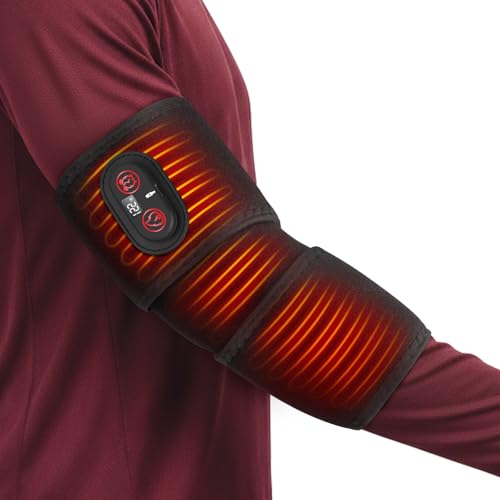
WoloyHeatie Cordless Elbow Heating Pad Massager
- Heat settings5 levels (113–149°F)
- Auto shut-off30 minutes
- Battery capacity3000mAh
- SizeFits elbow and forearm with adjustable straps
- Adjustable heat and vibration modes for customized relief
- Cordless design with rechargeable battery for portability
- Ergonomic, breathable fabric with adjustable fit
- 30-minute timer may be too short for some users
- Battery needs 2–3 hours to fully recharge
WoloyHeatie Rechargeable Cordless Elbow Heating Pad Wrap
- Heat settings3 levels (113–131°F)
- Auto shut-off20, 30, 45 minutes
- Battery capacity4000mAh
- SizeFits elbow and forearm with adjustable straps
- Long-lasting 4000mAh battery for multiple sessions
- Three adjustable heat and timer settings for personalized use
- Soft, breathable fabric with ergonomic fit
- Lower maximum heat than some competitors
- Limited vibration or massage features
EDIFOLLY Cordless Elbow Heating Pad Massager
- Heat settings5 levels
- Auto shut-off—
- Battery capacity3000mAh
- SizeFits elbow and forearm with adjustable straps
- Dual heat and vibration therapy options
- Cordless with rechargeable battery
- Adjustable fit with soft fabric
- Timer details less specific
- Battery runtime not clearly stated
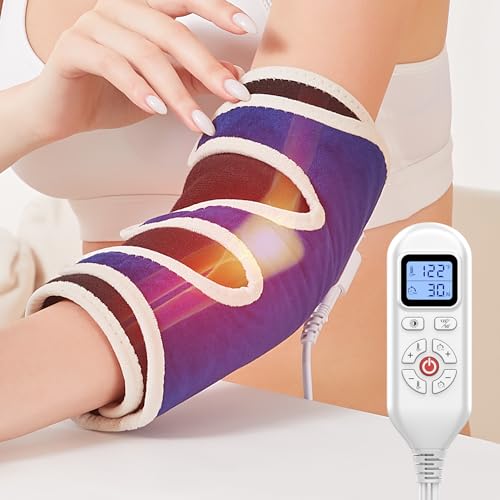
JOBYNA Adjustable Tennis Elbow Heating Pad
- Heat settings86–158°F
- Auto shut-off10–90 minutes
- Power sourceAC power
- SizeAdjustable for left or right arm
- High maximum temperature (158°F) for deep heat
- Long timer options up to 90 minutes
- Digital LED controller for easy use
- Requires AC power, no cordless option
- Heats slower than battery models
BEAUTIKEN Electric Heating Pad for Multiple Areas
- Heat settings6 levels (104–140°F)
- Auto shut-off30–120 minutes
- SizeLarge pad for multiple body areas
- Six adjustable heat levels for precise warmth
- Long auto shut-off timer up to 120 minutes
- Soft, washable flannel fabric
- Not cordless, requires plug-in
- Not specialized for elbow or tendonitis use
How to Choose a Heating Pad for Tendonitis
Choose a heating pad with adjustable heat settings. This lets you find the right temperature for your pain level and comfort. Too much heat can worsen inflammation, so start low and increase gradually.
Size and fit matter. A pad that covers the tendonitis area snugly delivers more effective relief. Look for flexible designs or wraps that stay in place during movement.
Use the heating pad for 15 to 20 minutes per session. Longer use risks overheating the skin and tissue. Repeat sessions up to three times a day, with breaks in between.
Secure the pad with straps or wraps designed for the body part. This prevents slipping and ensures consistent heat where you need it most.
Sizing and Heat Output
Pick a heating pad size that fully covers the affected tendon area. A pad too small misses spots, while one too large wastes energy and may heat healthy tissue unnecessarily.
The heat output should be enough to feel warm but not hot. For back tendonitis, target a temperature range of 104°F to 113°F (40°C to 45°C). This range soothes pain without risking burns.
Limit each heating session on the back to 15 to 20 minutes. Extended use can lead to skin irritation or overheating deeper tissues.
| Appliance | Watts | Per hour | Per day (1 h) | Per month (30 days) |
|---|---|---|---|---|
| Standard 150 W heating pad | 150 W | 2.6¢ | 2.6¢ | 77¢ |
| Smaller 50 W heating pad | 50 W | 0.9¢ | 0.9¢ | 26¢ |
Safety Features and Certification
Using a heating pad safely means limiting each session to 15 to 30 minutes. Prolonged use can cause burns or skin irritation, especially if the pad is too hot or if you fall asleep with it on. Heating pads are generally safe to use daily, but always follow the manufacturer’s instructions on operating times and temperature settings.
Look for heating pads with an automatic shut-off timer. This feature cuts power after a set period, usually 20 to 60 minutes, preventing overheating and reducing fire risk. Do not disable or bypass this safety function.
Choose heating pads that carry safety certifications from recognized labs such as UL, ETL, or CSA. These certifications indicate the product meets strict electrical safety and performance standards. Avoid uncertified models, which may lack essential protections.
Follow all manufacturer guidelines, including recommended heat levels and maximum continuous use times. Use the heating pad on a low or medium setting if you plan multiple sessions per day. Applying heat directly to bare skin increases risk; place a thin cloth between your skin and the pad.
Unique Features of Cordless Heating Pads
Cordless heating pads let you move freely without being tethered to an outlet. This is ideal for applying heat while doing chores, working at a desk, or relaxing on the couch. Rechargeable batteries power these pads, so you can use them anywhere without searching for a plug.
Recharge times vary, but most cordless heating pads provide 2 to 4 hours of continuous heat per charge. This allows multiple uses throughout the day. You can recharge them overnight or during breaks to keep relief available when needed.
Adjustable heat settings on cordless pads let you customize the intensity to your comfort and the severity of your tendonitis pain. Some models also offer vibration or massage features, which add to the soothing effect.
You can safely use cordless heating pads multiple times a day, but keep each session to 15 to 30 minutes. This prevents skin irritation and avoids overheating the battery. Follow the product’s instructions for charging cycles to maintain battery health.
If you want a heating pad that fits into an active lifestyle or provides relief without restricting your activities, a cordless model is a strong choice. Check battery run time and heat levels to find one that matches your daily routine.
Learn more about portable options in our guide to the best portable heating pad.
Frequently Asked Questions
How long should I keep a heating pad on my back?
Is it safe to use a heating pad every day?
How long can you use a heating pad and be safe?
What is the correct temperature of a heating pad?
How often can you use a heating pad for tendonitis?
Can I sit on a heating pad if my bottom hurts too?
If that sounds like your room, read up on relief options for stenosis pain next.
There is more on tennis elbow heating pad options in a guide of its own.
