
Windows, doors, and attic access points leak air even when they look closed. Single-pane glass conducts heat straight through. Gaps under doors pull cold air across your floor. An unsealed attic hatch lets warm air escape into the attic, wasting every degree your heater produces.
The hacks below use materials already in most homes—bubble wrap, old towels, cardboard, aluminum foil, pool noodles—to block those leaks. They suit renters who cannot modify the building, homeowners waiting for a larger project, and anyone who needs relief from a draft today.
Five Household Items That Insulate in Minutes
Bubble wrap on windows, rolled towels under doors, cardboard on attic hatches, aluminum foil behind radiators, and pool noodles on hot water pipes all reduce heat loss using items already in most homes. Each one addresses a specific draft or thermal weak point, requires no special tools, and delivers immediate results that make cold rooms noticeably more comfortable.
These hacks work because they either trap still air—a poor conductor of heat—or reflect radiant heat back into the room. The air pockets in bubble wrap and the foam core of a pool noodle both create thermal resistance. Foil reflects infrared radiation. A towel pressed against a door threshold simply blocks the moving air that carries warmth away. Together, they tackle the most common routes heat takes to escape: single-pane windows, gaps under doors, uninsulated attic access points, wasted radiant heat behind radiators, and bare pipes in cold spaces.
Here’s what each item does and where to use it:
- Bubble wrap for windows: The air trapped in each bubble creates a layer of insulation between the glass and the room. Spray the window with water, press large-bubble wrap directly to the pane, bubble side in. Works best on single-pane windows and north-facing glass where condensation and cold transfer are worst.
- Towels and fabric for door draft stoppers: A tightly rolled towel laid along the threshold or a fabric tube stuffed with rice blocks the gap where conditioned air escapes and cold air rushes in. Place one at every exterior door and at the base of doors to unheated basements or garages.
- Cardboard for attic hatch insulation: An uninsulated attic hatch is a direct thermal bridge to the coldest part of the house. Cut rigid cardboard or foamcore to fit the back of the hatch, tape it in place, and add weatherstripping around the frame. The cardboard traps air; the weatherstripping stops the draft.
- Aluminum foil behind radiators: Foil-covered cardboard or foamcore placed between a radiator and an exterior wall reflects radiant heat back into the room instead of letting it warm the wall and escape outdoors. The shinier the foil, the better the reflection. Most effective on radiators mounted on poorly insulated exterior walls.
- Pool noodles for hot water pipes: Slice a foam pool noodle lengthwise and press it over exposed hot water pipes in basements, crawl spaces, or unheated utility rooms. The foam slows heat loss from the pipe, so water arrives at the tap hotter and the water heater runs less. One noodle covers about six feet of pipe.
None of these hacks replaces true insulation in walls, attics, or crawl spaces, but each one closes a gap that lets expensive heat slip away. They’re fastest to deploy in rooms that feel drafty despite a working heater, and they cost nearly nothing because the materials are already on hand. If a room stays cold even after sealing drafts, the issue may lie with the heater itself—check portable heater not heating fixes before adding more insulation. For a broader strategy that includes these methods alongside other no-cost changes, see thermal hacks to warm your home fast.


Bubble Wrap on Windows: How to Apply It and Why It Works
Bubble wrap insulates because each bubble traps a pocket of air, and air is a poor conductor of heat. A layer against cold glass creates a barrier between the indoor warmth and the outdoor cold, cutting convective heat loss. The larger the bubbles, the more air trapped and the better the insulating effect.
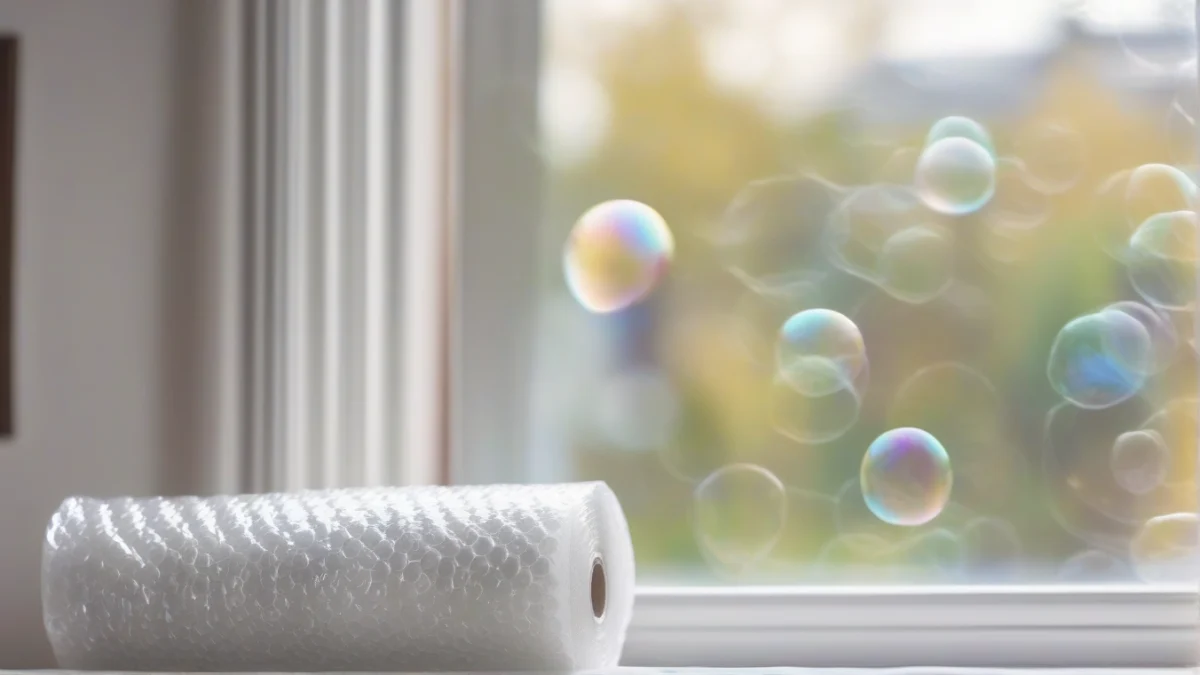
The application takes minutes and needs only bubble wrap, a spray bottle of water, and scissors to trim. No tape, no mess.
- Clean the glassWipe the window pane with a damp cloth to remove dust and let it dry. The bubble wrap sticks best to clean glass.
- Cut the bubble wrap to sizeMeasure the glass and cut the wrap an inch larger on all sides. You can trim excess after it’s in place.
- Mist the glassSpray the window with plain water until the surface is evenly damp but not dripping.
- Press the bubble side against the glassPlace the wrap with the bubbles facing the window. The water holds it in place as you smooth it flat with your hands, working from the center outward to push out air pockets.
- Trim and adjustCut away any overhang and press the edges flat. The wrap will cling tighter as the water dries.
Bubble wrap lasts all winter. Peel it off in spring and the glass wipes clean with no residue. It diffuses incoming light, which makes the room brighter without glare and provides daytime privacy—you see silhouettes from outside, not details.
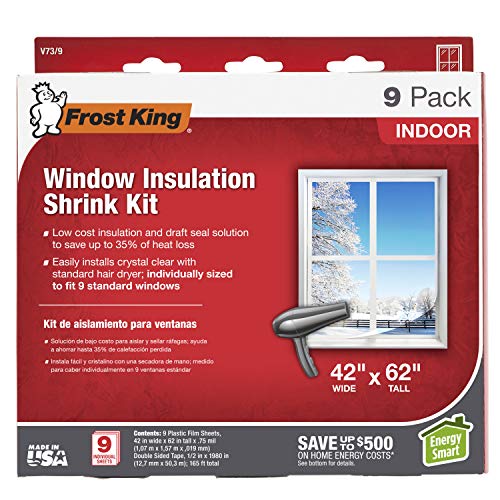
Window film kits like shrink-wrap systems give a clearer view and a more finished look. They stretch tight with a hair dryer and become nearly invisible. Bubble wrap works faster and costs nothing if you already have it, but the tradeoff is the translucent, textured appearance.
Door Draft Stoppers and Threshold Seals from Towels and Fabric
Cold air slips under doors, through frame gaps, and around thresholds. A rolled towel or fabric tube blocks the flow immediately, using items you already have.
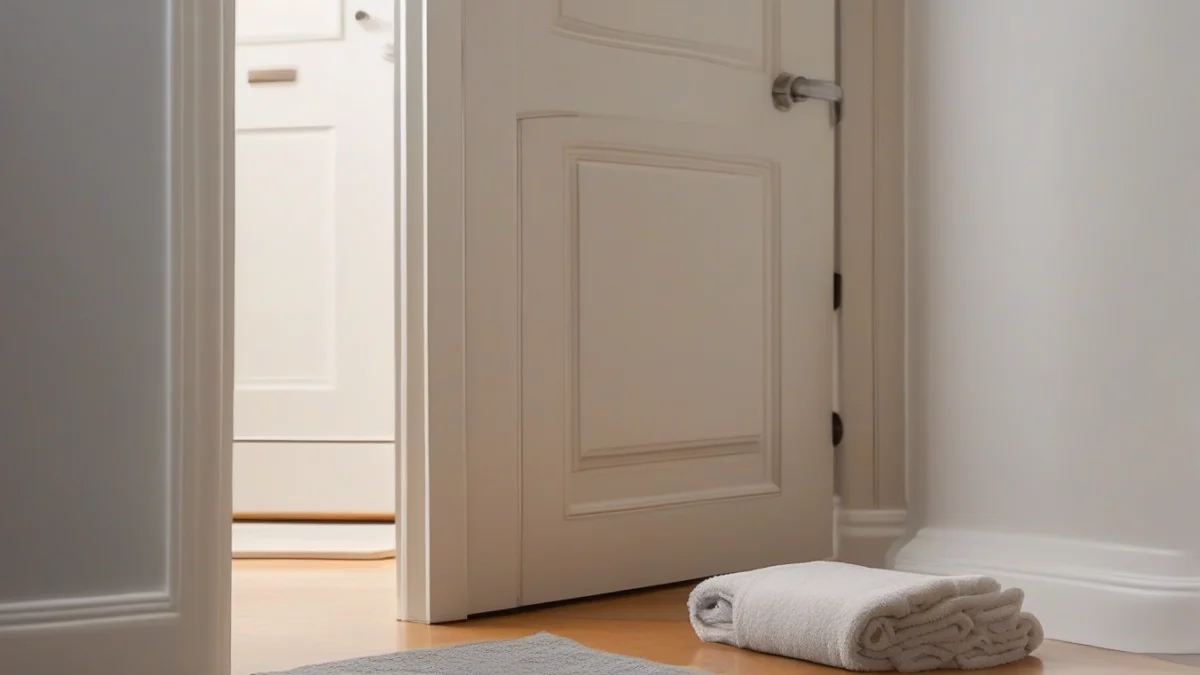
Roll a bath towel lengthwise as tightly as you can, then wrap a few rubber bands around it to keep the roll firm. Place it against the door bottom on the side where you feel the draft—usually the interior side. The weight and density of the towel compress into the gap and stop airflow. Move it when you open the door, then set it back.
For a permanent version, sew a fabric tube the width of your door and fill it with rice, dried beans, or sand. An old jeans leg works particularly well because denim is dense and heavy enough to stay in place without shifting. Knot or stitch one end closed, fill the tube about three-quarters full, then close the other end. The weight holds it flat against the threshold, and it stays put even when the door swings open.
Gaps exist in four places: the bottom threshold, both side jambs, and the top of the frame. The bottom is where you lose the most heat because warm air rises and pulls cold air in low. Side and top gaps matter more on exterior doors or doors opening to unheated spaces like garages and basements. A fabric tube handles the bottom. For side gaps, fold a hand towel lengthwise and wedge it into the space between the door edge and the frame. Tape it in place if it slips.
Towels and fabric work for stationary gaps—spots where the door sits closed most of the time. If you open and close the door frequently, or if the gap is uneven because the door has warped or settled, a stick-on door sweep or adhesive weather stripping seals better and moves with the door. Draft stoppers are free and instant; weather stripping costs a few dollars and lasts years. Choose based on how often you use the door and whether you rent or own.
If your hallway stays cold even after sealing doors, the problem may be deeper—poor insulation in the walls, return air imbalances, or ductwork issues. Hallway colder than rest of house explains the common causes and what to check next.
Cardboard and Foil for Attic Hatches and Radiator Backing
An unsealed attic hatch acts like a chimney. Heat rises, and a thin plywood panel with no insulation lets warm air pour into the attic while cold air drops down to replace it. Cardboard layered on the back of the hatch or rigid foam board taped in place adds an insulating barrier that costs nothing if you already have boxes to cut up.
- Measure the hatch panelCut cardboard or foam board to match the back side of the attic hatch door, leaving a half-inch margin so the hatch closes without binding.
- Layer and secure the insulationStack three or four layers of corrugated cardboard and tape them together with duct tape, or use a single piece of rigid foam board one to two inches thick. Attach the insulation to the back of the hatch with construction adhesive or heavy-duty tape.
- Seal the frameApply adhesive-backed foam weather stripping around the attic opening where the hatch rests. Press the hatch closed to compress the foam and check for light leaks; add a second layer if gaps remain.
Aluminum foil behind a radiator reflects radiant heat back into the room instead of letting it soak into the wall. Without a reflector, an exterior wall absorbs much of the heat before it reaches you. Foil-faced foam board works best because the foam adds insulation and the foil does the reflecting, but plain aluminum foil taped to cardboard or directly to the wall still makes a difference.
Cut a piece of cardboard to fit the wall space behind the radiator, wrap it in aluminum foil with the shiny side facing out, and slide it into place. If access is tight, tape foil directly to the wall using painter’s tape or small squares of double-sided tape. Keep the foil flat against the wall and at least two inches away from the radiator body so air can circulate.
These two hacks address spots that common insulation mistakes homeowners make often overlook. An attic hatch and the wall behind a radiator are small areas, but they account for a disproportionate share of heat loss in a home with otherwise decent insulation.
Pool Noodles and Bubble Wrap for Hot Water Pipes
Hot water loses heat as it travels from the water heater to the tap. Bare copper or PEX pipe in a basement or crawl space radiates heat into cold air, so the water arrives cooler and the heater runs more often to keep up. Insulating those pipes with a pool noodle or bubble wrap keeps more heat in the water and cuts the energy waste.
- Slit the pool noodle lengthwiseUse a utility knife to cut a straight line down one side of a foam pool noodle. The noodle will open like a clamshell and fit around a half-inch to three-quarter-inch pipe.
- Wrap the pipe and secure itPress the noodle onto the hot water pipe so the slit closes around it. Secure it every foot or so with a zip tie, duct tape, or electrical tape. At elbows and tees, cut the noodle at an angle and butt the pieces together.
- Use bubble wrap for tight spacesWhere a pool noodle will not fit, spiral-wrap bubble wrap around the pipe with the bubbles facing in, overlapping each wrap by half. Tape the end and add a wrap of tape every twelve inches to hold it in place.
Focus on hot water lines first, especially the first six feet of pipe leaving the water heater and any sections that run through unheated spaces. Insulating cold water lines in a basement or crawl space also helps prevent freezing when temperatures drop, though it does not save energy the way insulating hot lines does.
Pool noodles and bubble wrap are quick fixes. For pipes you plan to insulate permanently, foam pipe sleeves with a peel-and-stick seam cost a few dollars per six-foot section, fit tighter, and last years. The household hacks buy you time and let you test which pipes make the biggest difference before spending money on professional materials.
What These Hacks Fix and What They Do Not
These hacks stop air leaks and add a thin thermal barrier. They do not replace wall or attic insulation, and they will not warm a house that lacks structural insulation or has a failing heating system. Bubble wrap on a window reduces convective loss and blocks drafts, but it cannot compensate for an uninsulated exterior wall. A rolled towel under a door seals a gap; it does not insulate the door itself.
| What These Hacks Fix | What Needs Professional Help |
|---|---|
| Drafty windows and single-pane heat loss | Missing or damaged wall insulation |
| Gaps under doors and around thresholds | Uninsulated or under-insulated attic floor |
| Unsealed attic hatch covers | Structural air leaks in rim joists or foundations |
| Heat loss from exposed hot water pipes | Broken or undersized HVAC systems |
| Cold air leaking around window frames | Knob-and-tube wiring that blocks safe insulation |
Best results come from targeting small, specific losses: windows in a single cold room, a drafty bedroom door, an attic hatch you open twice a year, or a few feet of exposed pipe in the basement. You will feel the difference in comfort, and a space heater will cycle less often. Expect a noticeable improvement in drafts, not a transformation in your heating bill if the walls and attic remain uninsulated.
Avoid common insulation mistakes homeowners make such as blocking soffit vents with attic insulation, compressing fiberglass batts, or sealing a room so tightly that combustion appliances back-draft. These household hacks are temporary or supplemental. Plan to upgrade insulation in the attic, air-seal the building envelope, and weatherstrip doors and windows properly when budget allows. The cardboard and towels buy you comfort this winter; they are not a substitute for the work that pays back in lower bills for twenty years.
Frequently Asked Questions
Can I use cardboard as insulation in walls?
How long does bubble wrap stay on windows?
Is aluminum foil good for insulation?
What household items insulate better than foam?
Can I leave a draft stopper in place all year?
Do these hacks work in hot climates to keep heat out?
There is more on seal gaps behind radiators in a guide of its own.
Readers in this position usually ask about how to winterproof your balcony doors in the uk as well.
