
Winter in a drafty rental can be uncomfortable and costly. Cold air seeps in through gaps, making it difficult to maintain a warm environment.
How to Stay Warm in a Drafty Rental Home
To stay warm in a drafty rental home, start by sealing air leaks around windows, doors, and outlets, then add temporary insulation to block cold air. Maintain your heating system to ensure it runs efficiently and delivers steady warmth despite drafts.
Drafts usually come from gaps in window frames, door edges, electrical outlets, and where walls meet floors or ceilings. These leaks let cold air in and warm air out, making your heating work harder. Identifying these spots is the first step to stopping the chill.
Use simple tools like a candle or incense stick to spot drafts. Move the flame or smoke slowly near windows, doors, and outlets. If the flame flickers or smoke sways, that’s where cold air enters. Mark these areas for sealing.
Temporary insulation methods can block drafts without permanent changes. Apply weatherstripping or foam tape around door and window frames. Use draft stoppers or rolled towels at the base of doors. Cover windows with clear plastic film kits designed for winter use; these create an insulating air pocket that reduces heat loss.
Electrical outlets on exterior walls are common draft points. Install foam gaskets behind outlet covers to reduce airflow. This is an easy step that can cut cold spots near outlets.
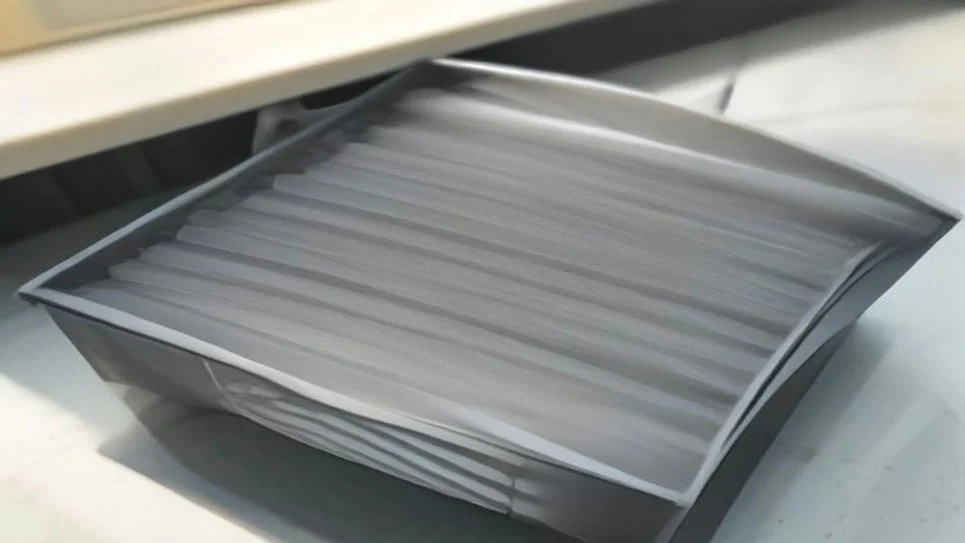
Heating systems perform best when well maintained. Replace or clean furnace filters monthly during cold months to improve airflow and efficiency. Bleed radiators to remove trapped air that reduces heat output. Keep vents and registers clean and unobstructed.
Programmable thermostats help optimize heat use by lowering temperatures when you’re away or asleep, saving energy without sacrificing comfort. Set your thermostat to 68°F (20°C) during the day and lower it at night or when no one is home.
Using these steps, you can reduce drafts and improve heating efficiency in your rental without permanent renovations. Temporary fixes and regular maintenance help keep your living space warmer and your heating bills lower through the winter.
| Appliance | Watts | Per hour | Per day (8 h) | Per month (30 days) |
|---|---|---|---|---|
| 1,500 W electric space heater | 1,500 W | 26¢ | $2.04 | $61.20 |
| Heated blanket | 100 W | 1.7¢ | 14¢ | $4.08 |
For more on sealing drafts step-by-step, see stop condensation stay warm in uk homes and for heating tips in drafty rooms, check heating solutions for drafty rental rooms.
Finding and Sealing Drafts
Start by locating air leaks with a simple tool: a lit candle or incense stick. Move the flame or smoke slowly along window edges, door frames, baseboards, and electrical outlets. Watch for flickering flames or drifting smoke, which signal cold air entering or warm air escaping.
- Check Windows and DoorsInspect all window and door seams, including corners and where the frame meets the wall. Look for cracked or missing weatherstripping, loose caulking, and gaps around locks and handles.
- Examine Electrical Outlets and SwitchesTurn off power and remove outlet covers. Feel around the edges for drafts. Outlets on exterior walls are common leak points. Use foam gaskets behind covers to reduce air flow.
- Look for Gaps in Baseboards and FlooringCheck where baseboards meet the floor, especially near exterior walls. On a garage floor or an unheated drafty room at the front of the house, cold air can seep through cracks in the concrete or wood flooring. Seal these with appropriate materials.
- Seal Identified GapsUse caulk for small cracks and gaps under 1/4 inch wide. For larger gaps, apply weatherstripping or foam sealant. Door sweeps block drafts at the bottom of doors. Outlet foam gaskets reduce leakage behind covers.
Temporary Insulation Methods
Window insulation film creates an airtight barrier that reduces heat loss through glass. It sticks to the window frame with double-sided tape and tightens when heated by a hairdryer. This method cuts drafts and lowers condensation on cold windows.

Bubble wrap is a low-cost alternative for insulating windows. Cut it to window pane size and attach with water spray or tape. The trapped air bubbles provide insulation but reduce light and view. Thermal curtains add insulation by trapping air between the fabric and window, and they reflect heat back into the room when closed.
Draft stoppers seal gaps under doors to block cold air. These can be fabric tubes filled with insulation or foam strips. Removable door sweeps attach to the bottom of doors and can be adjusted or removed without damage.
Heating Optimization and Space Heater Safety
Maintain your HVAC system by replacing filters every 1 to 3 months. Clean filters improve airflow and heating efficiency, reducing energy waste and uneven room temperatures.
Radiator reflector panels installed behind baseboard or wall radiators reflect heat into the room instead of letting it escape through cold walls. This improves heat distribution and can reduce heating costs by up to 10%.
When to Talk to Your Landlord
If drafts remain severe despite your efforts, document the problem clearly before contacting your landlord. Take photos of windows or doors with visible gaps and note the times when cold air is strongest. Keep records of higher heating bills caused by heat loss to support your case.
- Gather evidencePhotograph drafty areas and measure indoor temperatures near leaks to show how cold air enters.
- Track heating costsSave utility bills spanning several months to demonstrate increased heating expenses due to drafts.
- Write a clear requestFrame your message around energy efficiency and tenant comfort, emphasizing that repairs reduce wasted heat.
- Suggest specific repairsRequest professional weather stripping or window replacements if simple fixes haven’t worked.
- Follow up in writingKeep all communications documented to ensure your concerns are officially recorded.
Frequently Asked Questions
What are the best ways to find drafts in my rental home?
How can I temporarily insulate my windows without damaging them?
What should I do if my space heater trips the circuit breaker?
How can I improve heating efficiency in my rental unit?
When should I consider talking to my landlord about drafts?
What are the safety tips for using space heaters in a drafty home?
If that sounds like your room, read up on insulation-free room heating next.
For the detail, see our notes on preventing heat loss at night.
