Living in a rental studio can be challenging, especially when it comes to maintaining comfort and efficiency. Fortunately, there are several temporary insulation solutions that can significantly enhance your living environment without violating your lease.
Effective Insulation Ideas for Your Rental Studio
Focus on sealing windows, doors, walls, and floors with temporary insulation methods that do not damage surfaces or violate your lease. Use window insulation kits, draft stoppers, thermal curtains, and removable foam panels to improve warmth and reduce drafts.
A studio room with insulation benefits most from targeting air leaks and cold surfaces. Conservatory insulation ideas include adding thermal window films or insulated panels to walls and windows, which are non-permanent and effective.
Start by identifying gaps around window frames and door edges. These are the most common sources of drafts. Use clear shrink film kits to cover windows in winter; they trap a layer of air that slows heat loss. Thermal curtains add a second barrier to cold glass and block drafts at night.
Walls in studios and conservatories often have little or no insulation. Removable foam board insulation or reflective foil insulation can be applied with removable adhesive strips or mounted inside temporary frames. These reduce radiant heat loss and add R-value without damage.
Floors can be cold and drafty, especially if the studio is on a slab or above unheated space. Use thick area rugs with non-slip pads underneath. Draft stoppers at door bottoms block cold air from entering through gaps.
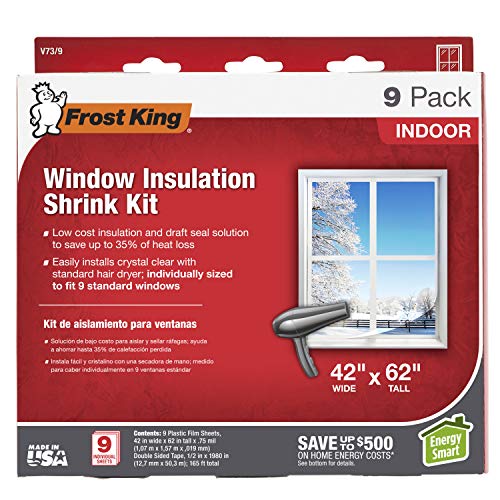
- Check Windows for DraftsClose all windows and feel for cold air around the edges. Use a candle or incense stick to detect air movement. Apply a shrink window kit like the Frost King V73/9H to seal leaks and create an insulating air pocket.
- Seal Door GapsUse weatherstripping tape on door frames and draft stoppers at the bottom of doors to prevent cold air from entering.
- Add Temporary Wall InsulationAttach foam board or reflective foil insulation to walls using removable adhesive strips or tension rods to avoid damage.
- Insulate FloorsPlace thick rugs over cold floor areas and add a rug pad for extra insulation and comfort.
| Appliance | Watts | Per hour | Per day (8 h) | Per month (30 days) |
|---|---|---|---|---|
| 1,500 W electric heater running 8 hours daily | 1,500 W | 26¢ | $2.04 | $61.20 |

How to Insulate Windows and Doors
The best way to insulate windows in a rental studio is with temporary methods that don’t damage the frame or glass. Window insulation kits use clear plastic film and double-sided tape to create an air pocket that reduces heat loss through single-glazed windows.

- Prepare the window surfaceClean the window frame and surrounding wall to ensure tape sticks firmly.
- Cut and apply plastic filmMeasure the window and cut the film slightly larger. Use double-sided tape around the frame, then press the film onto the tape.
- Shrink the filmUse a hair dryer on low heat to shrink the film tight, eliminating wrinkles and sealing air gaps.
Thermal curtains add a second layer of insulation by blocking drafts and reducing heat loss at night. Choose curtains with a thick backing or a layer of foam. Close them fully after dark and during cold spells.
Doors often have gaps along the edges or under the threshold. Weather stripping is a simple fix: apply adhesive foam or rubber strips along the door frame to seal these gaps. Door draft stoppers, such as fabric tubes or weighted snakes, block cold air at the bottom.
For single-glazed windows, these methods are especially effective because they create barriers that slow heat transfer. The plastic film traps air, which is a poor conductor of heat, while thermal curtains and weather stripping reduce convection drafts.
Avoid permanent fixtures like replacing windows or drilling holes for insulation, which can violate rental agreements. These temporary fixes improve comfort and reduce heating bills without risking your deposit.
For more tips on insulating windows in rentals, see how to insulate windows for temporary spaces and effective insulation ideas for single glazed windows.
Managing Walls and Floors for Better Insulation
Walls and floors are major sources of heat loss in studios but are tricky to insulate without permanent changes. Use furniture as a buffer by placing bookcases or wardrobes against exterior walls. These create a layer of air and material that slows cold from penetrating the room.
Area rugs add insulation to floors, especially if you have hard surfaces like tile or wood. Choose thick, dense rugs or add a rug pad underneath to trap warm air and reduce heat loss through the floor.
Removable wall hangings can provide extra insulation on cold walls. Thick tapestries, quilts, or padded fabric panels trap air and reduce drafts. Use removable hooks or adhesive strips to avoid holes.
Awkward-shaped rooms or attic studios pose challenges because of sloped ceilings and limited wall space. Use flexible insulation options like hanging quilts or foam panels cut to size. Furniture placement becomes even more important to block cold surfaces.
These fixes work well in rentals because they require no drilling or permanent changes. They improve comfort by adding layers that slow heat escape and block drafts.
For detailed advice on tricky layouts, see how to insulate awkward-shaped rooms attics and for more rental-specific tips, see insulation fixes for rental apartments.
Soundproofing Your Rental Studio
DIY soundproofing for studio apartments on a budget focuses on reducing noise without major construction. Start by sealing air gaps around windows, doors, and walls with acoustic caulk. This flexible sealant blocks sound leaks more effectively than regular caulk and stays removable.

- Seal Air GapsIdentify gaps around window frames, door edges, and wall joints. Apply acoustic caulk carefully, pressing it into cracks for a tight seal. Allow it to dry fully before testing noise reduction.
- Add Heavy, Soft MaterialsHang thick curtains or tapestries on walls and windows. Use rugs, carpets, or foam mats on floors. These materials absorb sound waves and reduce echo inside the studio.
- Use White Noise MachinesPlace a white noise machine or a fan near your usual sitting or sleeping area. It masks external noise by creating a steady, unobtrusive sound background.
Communicating with Your Landlord About Insulation
When proposing insulation fixes for rental apartments, focus on benefits for both you and the landlord. Better insulation reduces energy bills and protects the building from moisture damage.
- Prepare Your ProposalList removable insulation products such as draft stoppers, window kits, and thermal curtains. Show how these do not damage property or violate lease terms.
- Suggest Cost SharingOffer to cover part of the cost for more permanent upgrades like weatherstripping or wall insulation. Explain that these improvements increase the property’s value.
- Present Clear BenefitsHighlight energy savings, increased comfort, and potential for fewer maintenance issues. Use product details and expected results to support your case.
Seasonal Insulation Action Plan
Start your yearly insulation plan by focusing on draft prevention in fall and heat retention in winter. These seasons demand the most attention to keep your rental studio comfortable and energy efficient.
- Fall: Seal Drafts and Prepare WindowsCheck all windows and doors for drafts. Use draft stoppers and window insulation kits that don’t damage surfaces or violate your lease. Add thermal curtains to reduce heat loss through glass.
- Winter: Retain Heat and Manage MoistureKeep thermal curtains closed at night and during cold spells. Use an oil-filled radiator or ceramic heater to maintain steady warmth. Avoid blocking vents or radiators with furniture or curtains to allow proper air circulation.
- Year-Round: Sound and Temperature ControlInstall thick rugs or carpet tiles to reduce noise and add floor insulation. Use removable wall hangings or acoustic panels to dampen sound without permanent changes. These also add a layer of insulation against heat loss.
For an attic living room, effective insulation means sealing air leaks around the hatch and applying temporary insulation on windows and floors. Use removable insulation panels or draft blockers specifically designed for attic spaces. For detailed instructions, see how to insulate an attic living room effectively.
Managing insulation seasonally helps you avoid unnecessary costs. Preventing drafts in fall lowers heating demand, while focusing on heat retention in winter keeps energy bills manageable. Sound control is a constant need in studios, so integrate it into your insulation strategy throughout the year.
Frequently Asked Questions
What are the best temporary insulation methods for a rental studio?
How can I effectively insulate my windows without damage?
What materials are best for insulating doors in a rental?
How do I reduce noise in my studio apartment?
Can I make permanent changes to my rental for insulation?
What seasonal tasks should I focus on for insulation in my studio?
The other half of this decision is safe insulation methods.
Readers in this position usually ask about improving room insulation as well.