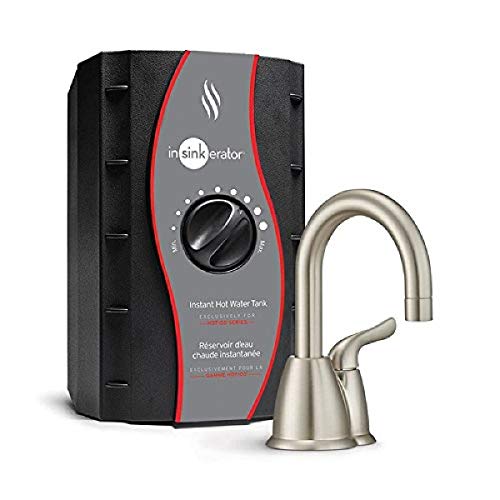
Instant hot water heaters provide quick access to hot water, eliminating long waits and enhancing convenience in your daily routines. Whether for cooking, cleaning, or personal use, having hot water on demand can save both time and energy.
Instant Hot Water Heater Comparison
| Product | Best for | Wattage | Temperature Range | Tank Capacity | Safety Features | Price |
|---|---|---|---|---|---|---|
| xwdzswgs 110V Tankless Electric Water Heater | Best Overall | 3000W | 82° F to 131° F | Tankless | IPX4 waterproof, leakage protection, dry boil protection, automatic power off | Check price |
| DOYXC 110V 3000W Mini Tankless Water Heater | Best Energy Efficient | 3000W | — | Tankless | IPX4 waterproof, leakage protection, dry burn protection, automatic power off | Check price |
| LECLOC 3kW 120V Mini Tankless Water Heater | Best Plug-In Model | 120V | 30℃ to 55℃ | Tankless | Overheat, leakage, dry heating, over-pressure protection, IPX4 waterproof | Check price |


Our Top Instant Hot Water Heater Picks
xwdzswgs 110V Tankless Electric Water Heater
- Wattage3000W
- Temperature Range82° F to 131° F
- Tank CapacityTankless
- Safety FeaturesIPX4 waterproof, leakage protection, dry boil protection, au
- High 3000W heating power for quick hot water
- Multiple safety protections including overheat and leakage
- Compact, wall-mounted design saves space
- Easy installation with standard fittings and instructions
- Only for vertical installation to avoid heating element damage
- Requires tightening pipe connectors with Teflon tape
- No temperature control knob, only digital display
DOYXC 110V 3000W Mini Tankless Water Heater
- Wattage3000W
- Temperature Range—
- Tank CapacityTankless
- Safety FeaturesIPX4 waterproof, leakage protection, dry burn protection, au
- Fast heating in 3-5 seconds
- Energy efficient variable frequency design
- Safety features include IPX4 waterproof and automatic power off
- Convertible temperature scale (Celsius/Fahrenheit)
- No physical temperature adjustment knob, only digital controls
- Installation requires following specific instructions for proper function
- Limited flow rate suitable for point-of-use only
LECLOC 3kW 120V Mini Tankless Water Heater
- Wattage120V
- Temperature Range30℃ to 55℃
- Tank CapacityTankless
- Safety FeaturesOverheat, leakage, dry heating, over-pressure protection, IP
- Plug-in design for easy installation
- Adjustable temperature knob with LED display
- Comprehensive safety features including overheat and pressure protection
- Compact size fits small spaces
- Designed only for low-flow use, not suitable for showers or multiple taps
- Temperature output affected by inlet water flow and wattage
- No tank, so water flow rate is limited
How to Choose an Instant Hot Water Heater
Choose an instant hot water heater by matching its capacity and heat output to the fixture it serves. A point-of-use model under the sink needs less power than a whole-house tankless unit. Wattage controls how fast water heats: under-sink models run 1,300 to 1,500 W on a standard 120 V circuit, while larger 240 V units reach 3,000 to 3,600 W for multiple fixtures or showers.
Temperature range tells you whether the heater fits your task. Most models adjust from around 86°F to 140°F. If you need hotter water for sanitizing dishes or want a true hot shower, confirm the maximum setting. Flow rate matters for tankless models: measured in gallons per minute, it shows how much hot water the unit delivers at a given temperature rise. A 2 GPM unit can serve one sink; showers need closer to 2.5 GPM or more.
Some compact instant heaters include a small holding tank, typically 2.5 to 4 gallons, to eliminate the brief cold-water lag of a pure tankless design. Tank models heat the stored water and keep it ready, then refill and reheat. They suit point-of-use installs where you want hot water the moment you turn the tap. Fully tankless models save space and energy but take a few seconds to heat incoming water.
Safety features are non-negotiable. Look for automatic shut-off when water flow stops or the unit overheats, and a pressure-relief valve on tank models. UL, ETL or CSA certification confirms the heater meets electrical and plumbing safety standards. High-wattage models often require a dedicated 20-amp circuit; check your panel before you buy to avoid tripping breakers or needing an electrician to add capacity.
- Under-sink and point-of-use: 1,300 to 1,500 W, 120 V, serves one faucet, installs in a cabinet.
- Whole-house tankless: 10,000 to 36,000 W (gas or electric), 240 V for electric models, supplies multiple fixtures, requires professional install and gas or high-voltage wiring.
- Mini-tank: 1,440 to 1,500 W, 120 V, 2.5 to 4 gallon capacity, mounts under sink or in a closet, no wait for hot water.
Sizing and Heat Output for Efficient Usage
Sizing an instant hot water heater depends on how many faucets or fixtures it will serve. One faucet typically requires a unit rated for around 1.5 to 2 gallons per minute (GPM). For multiple faucets running at once, add their flow rates to find the total demand.
Heat output is measured in kilowatts (kW) or BTUs and determines how much water the heater can raise to the desired temperature each minute. Higher output means hotter water at higher flow rates. For example, a 3.5 kW model can heat water sufficiently for a single sink, but a shower needs at least 7 kW.
Flow rate is critical for simultaneous use. If you run two faucets at once, the heater must supply enough hot water at the combined flow rate without temperature drop. Check the product specs for maximum flow and temperature rise at that flow.
| Number of Faucets | Recommended Flow Rate (GPM) | Minimum Heat Output (kW) |
|---|---|---|
| 1 faucet | 1.5 – 2 | 3.5 |
| 2 faucets | 3 – 4 | 7 |
| 3 faucets | 4.5 – 6 | 10.5 |
If your model’s wattage or heat output is too low for your demand, water temperature will drop with higher flow. Oversizing wastes energy and costs more upfront. Choose a heater sized closely to your actual peak flow for efficient hot water delivery.
For under-sink models like the LECLOC Mini Tankless Instant Water Heater, the size suits single faucet use. Larger models with higher heat output fit bathrooms or small kitchens with more simultaneous use. Consider your household’s usage pattern when selecting the size.
Sizing correctly avoids cold water bursts and ensures comfort. If unsure, consult guides on instant shower comfort best instant water heaters or best under-sink water heaters for instant sink hot water for detailed recommendations.
Running Costs of Instant Hot Water Heaters
Running costs depend on wattage, usage time, and your electricity rate. Most under-sink instant heaters draw 1,200 to 1,800 watts; whole-home electric tankless models pull 10,000 to 36,000 watts. Gas and propane tankless heaters like the Rinnai RU199iN burn fuel measured in therms or gallons, not watts.
For electric models, the formula is watts ÷ 1,000 × hours × price per kWh. A 1,500 W under-sink heater running 30 minutes a day uses 0.75 kWh daily, or 22.5 kWh per month. At 17 cents per kWh, that’s $3.83 a month. A 24 kW whole-home tankless heating water for three ten-minute showers a day (0.5 hours total) uses 12 kWh daily, or 360 kWh per month—$61.20.
| Appliance | Watts | Per hour | Per day (0.5 h) | Per month (30 days) |
|---|---|---|---|---|
| 1,500 W under-sink heater | 1,500 W | 26¢ | 13¢ | $3.83 |
Gas and propane tankless heaters cost less to run where natural gas is cheap. The Rinnai RU199iN has a maximum input of 199,000 BTU per hour, equal to about 1.99 therms per hour at full fire. A ten-minute shower at 60% load uses roughly 0.2 therms. At $1.50 per therm, three showers cost 90 cents a day, or $27 a month. Where electricity costs less than 12 cents per kWh or gas exceeds $2 per therm, compare the numbers for your rates.
Instant heaters heat only on demand, so they avoid the standby loss of a tank keeping 40 or 50 gallons hot around the clock. A storage tank loses 10 to 20% of its energy to standby heat. For intermittent use—a bathroom sink, a break-room faucet—the savings add up. For heavy all-day use, efficiency matters more than the on-demand design.
Safety and Certification Standards for Hot Water Heaters
Safety features are crucial in instant hot water heaters to prevent hazards like overheating and dry burns. Look for models with UL or ETL certification. These indicate the product meets established safety and electrical standards.
Dry burn protection is a key safety feature. It shuts off the heater if water flow stops or is insufficient, preventing the heating element from running dry and overheating. This protects the heater and reduces fire risk.
Other common safety features include automatic shutoff if the unit overheats, ground-fault circuit interrupters (GFCI) to prevent electric shock, and thermal cutoffs. These protect both the user and the appliance.
Avoid models without clear safety certifications or those missing dry burn protection. They pose a greater risk of damage or injury. Always follow manufacturer instructions for installation and use, and ensure your home’s electrical system can handle the heater’s load.
Regular maintenance and inspections help spot safety issues early. If you detect unusual smells, noises, or leaks, turn off the heater and consult a professional. Proper certification and safety features are your first line of defense against accidents.
Understanding Installation Requirements
Installing an instant hot water heater requires space for the unit and access to plumbing connections. Locate the heater near the point of use to reduce heat loss and water waste. Most models fit under sinks or in small utility closets, but check the dimensions and clearance recommendations in the manual.
The heater must connect to cold water supply and hot water lines. Use proper fittings and materials rated for hot water. Some units require a dedicated circuit and a grounded outlet. Confirm electrical requirements before starting installation.
Start installation by turning off the water supply and power. Drain the existing water lines if needed. Mount the heater securely, then connect the inlet and outlet pipes with plumber’s tape to prevent leaks. Follow the wiring diagram carefully, ensuring all connections are tight and safe.
For DIY installation, have these tools ready: adjustable wrench, pipe cutter, screwdriver, voltage tester, and plumber’s tape. Avoid using extension cords or adapters for power. Test the heater for leaks and proper operation before closing walls or cabinets.
If unsure about plumbing or electrical work, hire a licensed professional. Improper installation risks damage, voids warranties, and can create safety hazards. Proper installation ensures your instant hot water heater performs reliably and safely.
Frequently Asked Questions
What is the best instant hot water heater for a kitchen?
How long does it take for an instant hot water heater to provide hot water?
Can instant hot water heaters be used for showers?
What are the benefits of tankless water heaters?
Are electric instant hot water heaters more efficient than gas models?
How do I maintain my instant hot water heater?
If that sounds like your room, read up on reliable hot water solutions next.
There is more on efficient water heating options in a guide of its own.