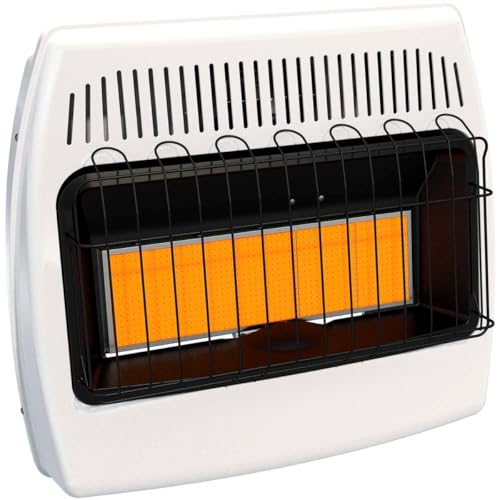
Temporary heating means different things in different rooms. You might need a heater for a week while the boiler gets fixed, for a guest bedroom used twice a month, or for a home office that’s cold in the morning. The heater type that works depends on how fast you need warmth, how long you’ll run it, and whether noise or portability matters.
The differences between ceramic, oil-filled, infrared and forced-air heaters come down to heat-up time, how the warmth spreads, noise level, and what happens after shutoff. Each type solves a specific temporary heating problem better than the others.
The Five Heater Types Compared
| Product | Best for | Heat method | Watts | Coverage | Key feature | Price |
|---|---|---|---|---|---|---|
| DREO 1500W Ceramic Heater | Best overall | Ceramic with fan | 1500 W | Up to 200 sq ft | Heats within seconds, 34 dB quiet | Check price |
| Jyxmor Compact Ceramic Heater | Best for desks | Ceramic with fan | — | 86–161 sq ft | Heats in 2 seconds, desktop size | Check price |
| Dura Heat 240V Forced Air Heater | Best for garages | Forced air, 240V | — | Up to 400 sq ft | 12,800 BTU, fan-only mode | Check price |
| R.W.FLAME 25″ Cathedral Fireplace | Best for ambiance | Electric fireplace | — | — | Adjustable flame and log colors | Check price |
| R.W.FLAME 17″ Metal Fireplace | Compact fireplace | Electric fireplace | — | — | Compact 17-inch metal design | Check price |



Top Picks for Temporary Winter Heating
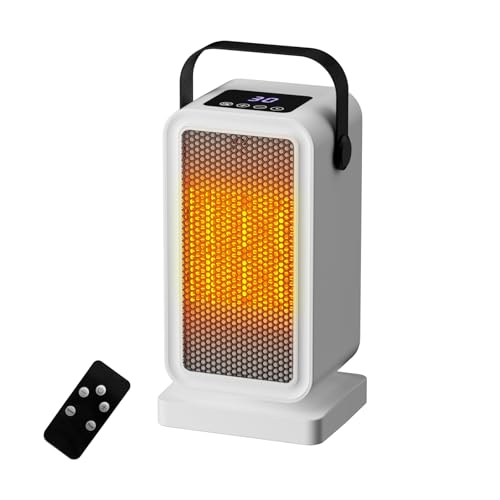
DREO 1500W Ceramic Heater
- Power1500 W
- CoverageUp to 200 sq ft
- Noise level34 dB
- Thermostat range41–95°F
- Timer12 hours
- Heats within seconds and reaches across larger rooms
- 34 dB operation, quieter than most ceramic heaters
- Precise thermostat from 41 to 95°F in 1° steps
- Remote control and 12-hour timer included
- Requires a wall outlet; no extension cord use
- Heating element will still produce some noise when cycling
Jyxmor Compact Ceramic Heater
- Dimensions4.7 × 3.9 × 8.6 inches
- Coverage86–161 sq ft
- Heat-up time2 seconds
- Heat modesHigh, Low
- Timer1–12 hours
- Heats in 2 seconds with upgraded ceramic element
- Compact size fits desktops and small tables
- 1 to 12 hour timer for automatic shutoff
- Low noise for close-range use
- Coverage limited to 86–161 sq ft
- Temperature display reads Celsius only
- No remote control
Dura Heat 240V Forced Air Heater
- Power240V
- Output12,800 BTU
- CoverageUp to 400 sq ft
- Heating elementStainless steel
- ModesHeat, Fan-only
- 12,800 BTU output covers up to 400 sq ft
- Fan-forced circulation eliminates cold spots
- Stainless steel element for durability
- Fan-only mode for year-round use
- Requires 240V circuit, not compatible with standard 120V outlets
- Heavier and louder than portable ceramic models
- Installation may require an electrician
R.W.FLAME 25″ Cathedral Fireplace
- Size25 inches
- StyleCathedral
- Flame effectsAdjustable with color options
- SafetyOverheat protection
- ControlRemote
- Adjustable flame effects and log colors
- Brightness and heating mode controlled separately
- Remote control included
- Overheat protection built in
- Takes up floor space; not as portable as compact heaters
- Decorative design may not suit every room
- Heat output and coverage not specified in product data
R.W.FLAME 17″ Metal Fireplace
- Size17 inches
- MaterialMetal
- ColorBlack
- ControlRemote
- Compact 17-inch design fits smaller spaces
- Metal construction
- Remote control included
- Product data does not specify heat output or coverage
- Less adjustability than the larger cathedral model
- Not as portable as handle-equipped ceramic heaters
How to Choose the Right Heater Type for Temporary Use
A ceramic heater with a fan warms a cold room fastest, usually within minutes, making it the best all-around choice for temporary winter heating. Oil-filled radiators take 20 to 30 minutes to reach full output but stay warm long after you turn them off. Infrared heaters warm you directly in under two minutes but won’t heat the air around you.
Heat-up time separates types more than any other spec. Ceramic and infrared models deliver noticeable warmth in under two minutes because ceramic elements and infrared bulbs reach operating temperature almost instantly. Oil-filled radiators need time to heat the oil reservoir before the metal fins radiate warmth into the room, typically 20 to 30 minutes at full power.
Heat distribution determines whether the whole room warms or just the space in front of the heater. Fan-forced ceramic heaters and convection models (including oil-filled radiators) circulate warm air throughout the room, raising the ambient temperature evenly. Infrared heaters warm only objects and people in their direct line of sight, leaving the air cold. That makes infrared efficient if you sit in one spot but impractical if you move around or share the room.
Noise matters for bedrooms and offices. Oil-filled radiators and infrared heaters run silently because they have no moving parts. Ceramic fan heaters and forced-air models produce 34 to 50 dB depending on fan speed and motor quality, roughly the volume of a quiet conversation. A low hum at 34 dB fades into the background; 50 dB can interrupt sleep or concentration.
Thermal inertia—how long a heater stays warm after shutoff—cuts runtime and cost in well-insulated spaces. Oil-filled radiators continue radiating heat for 20 to 30 minutes after the element turns off, which means the thermostat cycles less often once the room reaches temperature. Ceramic and fan heaters stop producing heat the instant they switch off, so the thermostat has to turn them back on sooner.
Portability ranges from a 3-pound ceramic desk heater you carry in one hand to a 20-pound oil-filled radiator that needs wheels. Small ceramic models suit temporary setups where you move the heater between rooms daily. Oil-filled radiators work better when you set them up once for the season. Mid-size ceramic tower heaters with handles split the difference at 6 to 10 pounds.
Running Cost: Which Heater Type Uses the Least Electricity
All electric heaters convert watts to heat at the same efficiency. A 1,500 W ceramic heater costs exactly the same per hour as a 1,500 W oil-filled radiator or a 1,500 W infrared panel because all three draw the same power and produce the same heat. The heater type changes how heat spreads and how long it lasts, not how much electricity it takes to make it.
The real cost difference comes from wattage and runtime, not heater design. A small 800 W infrared panel heating one person at a desk costs less than a 1,500 W fan heater warming the whole room because it draws roughly half the power. If you run both for 8 hours at $0.17 per kWh, the infrared panel costs $1.09 per day and the fan heater costs $2.04.
| Appliance | Watts | Per hour | Per day (8 h) | Per month (30 days) |
|---|---|---|---|---|
| 1,500 W ceramic heater | 1,500 W | 26¢ | $2.04 | $61.20 |
| 800 W desk heater | 800 W | 14¢ | $1.09 | $32.64 |
Oil-filled radiators can reduce total runtime in well-insulated rooms because the oil retains heat and continues radiating warmth after the element cycles off. The thermostat turns the heater back on less often than it would with a ceramic or fan model that cools immediately. That advantage disappears in drafty rooms where heat escapes faster than the oil can sustain it, and it means nothing during the initial warm-up when the heater runs continuously.
Thermostat accuracy matters as much as heater type. A precise thermostat cycles the element on and off to hold the set temperature, keeping average power draw lower than continuous operation. A poor thermostat overshoots the target, wastes power, then lets the room drop too cold before turning back on. Most 1,500 W heaters with adjustable thermostats use 900 to 1,200 W on average once the room reaches temperature, but runtime depends on insulation, ceiling height and how often doors open.
Safety Features That Matter for Unattended and Overnight Use
Tip-over protection shuts off power if the heater falls. Models with tilt sensors respond faster and more reliably than older mechanical switches that require a harder impact to trigger. Every portable heater you consider should have this feature, marked clearly on the box or in the manual.
Overheat protection cuts power when internal temperature exceeds a safe threshold. All modern portable heaters sold in the US include this safeguard, which prevents fires if a blocked vent or failed component causes the unit to run too hot. The sensor resets once the heater cools, but repeated triggers mean something is wrong.
Cool-touch housing and enclosed heating elements reduce burn risk. Oil-filled radiators stay warm but rarely hot enough to cause serious burns, and ceramic heaters with protective grilles keep fingers away from the element. Exposed coil and infrared heaters with open faces reach much higher surface temperatures and pose a real hazard around children or pets.
UL, ETL or CSA certification confirms independent safety testing. One of these marks tells you the heater meets recognized electrical and fire-safety standards. Never use a heater without one, especially models sourced from unfamiliar sellers.
Oil-filled radiators are generally the safest for unattended overnight use. They have no fan, no exposed element, and the oil moderates temperature swings so the surface never spikes dangerously hot. Ceramic heaters with overheat and tip-over protection come next, but always check the manual to confirm the manufacturer rates the model for overnight operation.
Noise Levels: Ranking Heater Types from Silent to Distracting
Oil-filled radiators and panel infrared heaters produce zero noise because they have no moving parts. The heating element warms oil or a flat panel, which radiates heat silently into the room. You hear only the occasional faint tick as metal expands, nothing that disrupts sleep or concentration.
Ceramic heaters with DC motors and aerodynamic fan blades run at 34 to 40 dB, about the level of a quiet library. Models like the DREO Space Heater use brushless motors and careful blade design to move air without the mechanical hum of cheaper fans. This level suits bedrooms and home offices where you need warmth without distraction.
Basic forced-air fan heaters with AC motors produce 45 to 55 dB and often a higher-pitched whine that’s more distracting than the decibel number suggests. The Dura Heat EUH4000R and similar utility heaters push a lot of air quickly, but the motor noise and blade turbulence create a steady background sound you notice during calls or while reading.
Noise quality matters as much as volume. A low hum from a brushless motor is easier to ignore than a high-frequency fan whine, even at the same measured decibel level. Your brain filters out steady low tones but stays alert to the higher pitches that signal something mechanical and possibly failing.
For home office use during calls or sleep, choose oil-filled, infrared, or a ceramic model rated under 40 dB. Silent heaters let you keep the room warm without competing with conversation or breaking focus when you need quiet.
Portability and Storage Between Uses
Weight ranges from under 4 pounds for a compact ceramic desk heater to 20 pounds or more for a 1,500 W oil-filled radiator with 9 to 11 fins. A handle matters more than wheels for most moves: a recessed top handle on a compact ceramic model lets you carry it upstairs or between rooms in one hand, while a large rolling radiator still requires two hands to lift over thresholds and up steps. Casters help on flat floors but add bulk.
Oil-filled radiators are the hardest heaters to store because of their size and weight. They work best for semi-permanent placement in one room for weeks at a time—a bedroom you heat all winter, or a home office you use daily. Small ceramic and infrared heaters fit in a closet, under a bed, or on a shelf between uses, making them better for winter heaters for holiday homes or guest rooms you heat occasionally.
Cord length affects placement flexibility more than most buyers expect. A 6-foot cord limits you to heating within that radius of an outlet, and you cannot safely use an extension cord with a 1,500 W load. Measure the distance from your outlet to where you sit or sleep before buying, or plan to rearrange furniture. Some larger models include cords up to 8 feet, which helps in rooms where outlets sit far from seating areas.
Frequently Asked Questions
What is the fastest heater type to warm a cold room?
Which portable heater type is safest to leave on overnight?
Do oil-filled radiators use less electricity than ceramic heaters?
Which heater type is quietest for a home office?
Can I use a 1,500 W heater on a standard 15 amp circuit?
How long does an oil-filled radiator stay warm after it shuts off?
If that sounds like your room, read up on oil heater compared to ceramic next.
Before you buy anything, it is worth looking at impact of heaters on bills.