
Battery heated blankets like the ZonLi model offer a convenient solution for staying warm when traditional power sources aren’t available. Understanding how these blankets function, their benefits, and their limitations can help you choose the right one for your needs.
How Battery Heated Blankets Generate Warmth
A battery heated blanket warms by running electricity from a rechargeable battery through thin heating wires woven inside the fabric. These wires convert electrical energy into heat, which spreads across the blanket to keep you warm without needing a wall outlet.
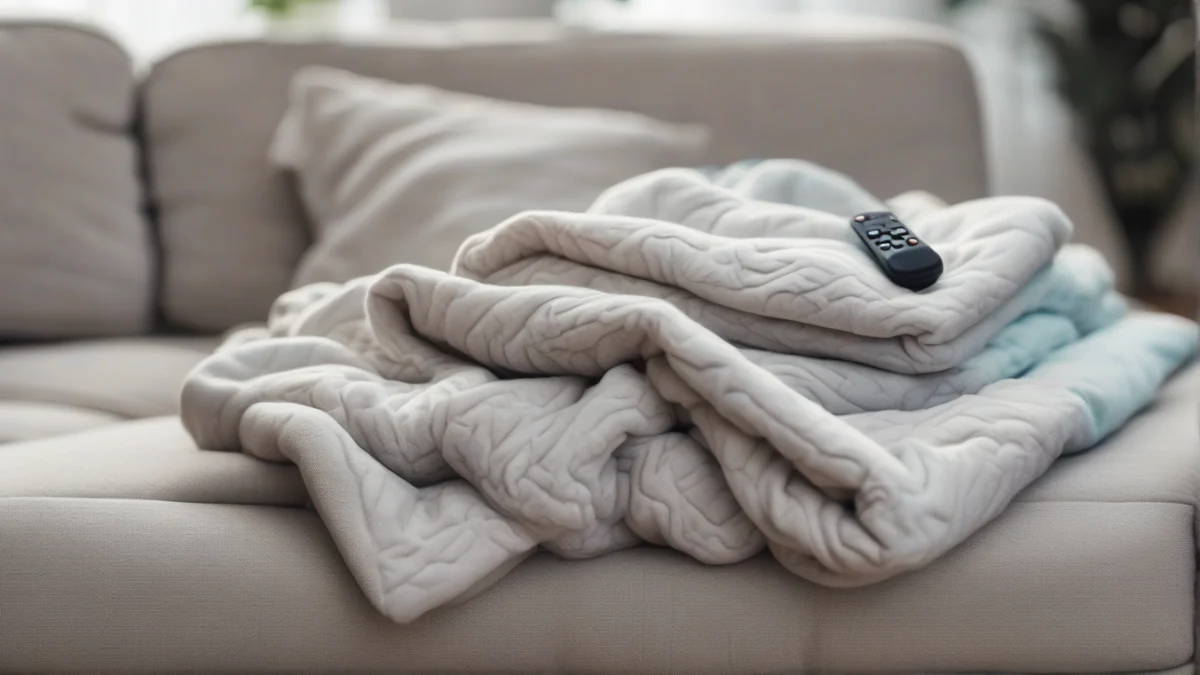
The heating elements are usually carbon fiber or metal alloy wires. Carbon fiber is common because it heats evenly, is lightweight, and flexible enough to bend without breaking. The blanket’s fabric often combines soft polyester or plush fleece with a lining that holds heat and protects the wires.
Heat settings control how much power the battery sends to the wires. Most battery heated blankets have multiple levels, typically from low to high, allowing you to choose the warmth you want. Higher settings drain the battery faster but deliver more heat, while lower settings extend battery life with gentler warmth.
Battery packs vary in capacity, measured in milliamp hours (mAh) or watt-hours (Wh). A larger capacity battery can power the blanket for several hours. For example, a 13,500 mAh battery can provide up to 8 hours of heat on a low setting, depending on the blanket’s power consumption.
| Feature | Typical Range or Example |
|---|---|
| Battery Capacity | 5,000 to 13,500 mAh |
| Heat Settings | 3 to 6 levels |
| Battery Life | 2 to 8 hours |
| Fabric Material | Polyester, fleece, faux fur |
| Heating Element | Carbon fiber or metal alloy wires |
Common Problems with Battery Heated Blankets
Users of ZonLi battery heated blankets often report several issues that affect comfort and convenience. Battery life is a frequent concern, as the blanket may not last the full 8 hours advertised depending on heat settings and external temperature.
Uneven heating is another common problem. Heating wires inside the blanket can create hot spots or cool areas, especially if the blanket is folded or bunched during use. This reduces overall warmth and comfort.
Portability issues arise when the battery pack is bulky or the connection cables limit movement. Although the blanket is cordless when unplugged, the battery’s size and weight can make it awkward to carry for some users.
Safety features on ZonLi models include automatic shut-off and overheat protection, but users should watch for signs of malfunction such as excessive heat or battery swelling. Using the blanket with damaged cords or batteries increases the risk of fire or electric shock.

How to Extend Battery Life in Heated Blankets
Battery life issues can be managed by understanding how cold temperatures affect performance. Batteries deliver less current and drain faster in cold conditions, so keeping the battery warm before use helps maintain run time.
Using an external power bank with the correct voltage and capacity can extend heating time. Not all power banks are compatible; check the blanket’s manual for recommended specifications to avoid damage.
Managing heat settings is the simplest way to conserve battery power. Lower heat settings use less energy and extend run time. Adjust the setting based on your comfort needs and ambient temperature.
- Keep the Battery WarmStore the battery pack inside a pocket or insulated pouch close to your body before use to improve efficiency.
- Choose a Compatible Power BankSelect a power bank with output matching the blanket’s input voltage and sufficient capacity to power the blanket for several hours.
- Use Lower Heat SettingsStart with the lowest heat setting and increase only if necessary to balance warmth and battery life.
- Avoid Folding While OnKeep the blanket flat to prevent uneven heating and unnecessary power draw on specific wires.
Comparing Battery Heated Blankets to Alternatives
Battery heated blankets stand out for portability. Unlike electric blankets that need a wall outlet, battery models run on rechargeable power packs. This makes them practical for camping, travel, or emergency kits where outlets are unavailable.
Heat duration varies by option. A typical ZonLi battery heated blanket runs up to 8 hours on a full charge. Electric blankets provide continuous heat as long as they are plugged in. Chemical heat packs last hours but offer less consistent warmth and no adjustable settings.
| Heating Option | Portability | Heat Duration | Ease of Use | Safety Features |
|---|---|---|---|---|
| Battery Heated Blanket | High: cordless, lightweight | Up to 8 hours | Simple controls, no cords | Auto shut-off, low voltage |
| Electric Blanket | Low: requires outlet | Unlimited when plugged | Requires outlet, cord management | UL listing, auto shut-off |
| Chemical Heat Pack | High: disposable, no power | 2 to 6 hours | Single use, no controls | No electrical risk, skin burn risk |
Ease of use favors battery heated blankets outdoors. They need no cords or outlets, reducing trip hazards and enabling use in vehicles or tents. Electric blankets suit home use but restrict movement. Chemical packs are easy but lack temperature control and safety shut-offs.
Safety also differs. Battery blankets operate at low voltage and include auto shut-off to prevent overheating. Electric blankets have built-in safety certifications but pose risks if cords are damaged or misused. Chemical packs avoid electrical hazards but can cause burns if applied improperly.
Choose a battery heated blanket if you need cordless warmth with adjustable heat and safety features. Opt for electric blankets when you have reliable power and want continuous heat. Chemical heat packs work for short, disposable warmth without power needs.
Safety Tips for Using Battery Heated Blankets
Battery heated blankets have safety concerns related to electrical components and heat management. Users should look for models certified by UL, ETL, or CSA. Certification means the blanket has passed standardized safety tests for electrical and fire hazards.
Key safety features include auto shut-off timers and overheat protection. These prevent the blanket from running too long or reaching unsafe temperatures. Low-voltage operation reduces the risk of electrical shock. A well-insulated battery pack and secure connectors also lower hazards.
- Check CertificationVerify your blanket has a UL, ETL, or CSA mark before use.
- Inspect Before UseLook over the battery pack, connectors, and fabric for damage.
- Use Auto Shut-OffSet the timer or rely on the auto shut-off to avoid overheating.
- Avoid Folding When OnSpread the blanket flat to allow even heat distribution.
- Store ProperlyDisconnect the battery and store the blanket in a dry place when not in use.
Regular maintenance checks extend the blanket’s safe lifespan. Clean it according to the manufacturer’s instructions, usually spot cleaning only. Never submerge the battery pack or wiring in water. Replace the battery if it no longer holds charge or shows signs of swelling.
Follow these safety steps to enjoy a warm, reliable battery heated blanket without risk. For questions about electrical safety or repairs, consult a qualified technician.
How to Clean and Maintain Your Battery Heated Blanket
Cleaning a battery heated blanket is trickier than a regular blanket because of the electrical components woven inside. You cannot simply toss it in the washing machine without precautions. The battery pack and cables must be detached to avoid damage.
- Detach the Battery and CablesAlways remove the battery pack and disconnect any cables before cleaning. Check the manual to confirm which parts are removable and how to detach them safely.
- Surface Clean for Regular MaintenanceUse a damp cloth with mild detergent to wipe the fabric surface. Avoid soaking the blanket or using harsh chemicals, which can damage the heating wires.
- Spot Clean StainsFor stains, gently rub with a soft brush or cloth dipped in a mild soap solution. Rinse the area carefully with a damp cloth to remove soap residue.
- Machine Washing with CareIf the manufacturer allows machine washing, use a gentle cycle with cold water and place the blanket in a laundry bag. Do not use bleach or fabric softeners. Always air dry flat, never tumble dry or iron.
- Store in a Dry, Flat PlaceFold the blanket loosely without bending the wires sharply. Store it in a cool, dry spot away from direct sunlight or heat sources to prevent damage to the battery and fabric.
Proper cleaning and storage extend the life of your ZonLi battery heated blanket. For more on features and troubleshooting, see our detailed guide ZonLi Heated Blanket: A Comprehensive Guide to Features and Solutions.
Frequently Asked Questions
How long does a ZonLi battery heated blanket last?
Can you wash a battery heated blanket?
What is the best way to recharge a battery heated blanket?
Are battery heated blankets safe to use?
How do I choose the right battery heated blanket?
What features should I look for in a battery heated blanket?
It helps to understand best camo heated jackets before spending anything.
Before you buy anything, it is worth looking at advantages of graphene technology.
