
Electric blankets offer warmth and comfort during cold nights, but many users worry about the safety of leaving them on while they sleep. Understanding how these blankets work and the associated risks can help you make informed decisions about their use.
Is It Safe to Leave an Electric Blanket On All Night?
Yes, you can leave a modern electric blanket on all night if it has auto shut-off and overheat protection. Check the manual to confirm the manufacturer designed your model for overnight use, and inspect the cord and fabric for damage before each season.
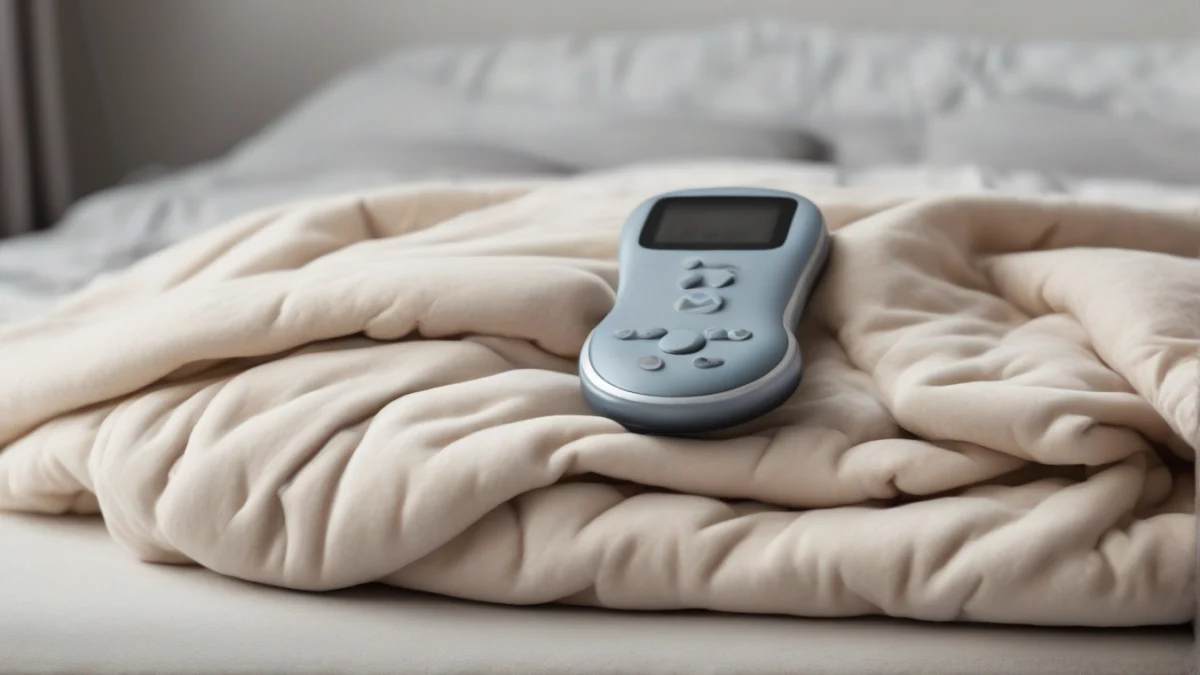
Auto shut-off turns the blanket off after a set period—typically 1 to 12 hours depending on the model. Overheat sensors cut power if the temperature climbs too high. Together these features prevent the two main overnight risks: sustained heat exposure and runaway temperature from a malfunction.
Blankets older than ten years usually lack these protections. Worn insulation around the heating wires raises fire risk, and older thermostats can stick in the on position. If your blanket has no shut-off timer, shows exposed wiring, discoloration, or a burnt smell, replace it rather than leaving it on while you sleep.
To use one safely overnight: set the timer to the hours you need, keep the blanket flat so wires do not bunch or fold, and leave the controller uncovered on the nightstand. Look for an ETL, UL or CSA mark confirming the design meets safety standards. The best electric blankets all carry these certifications.
Electric blankets draw 50 to 200 watts depending on the setting—far less than a 1,500 W space heater warming the whole bedroom. Running one on low for eight hours costs roughly three to six cents at typical rates, making overnight use practical as well as safe when the blanket includes the right features.
Understanding the Risks of Leaving an Electric Blanket On
Leaving your electric blanket on all night can cause risks such as damaged wiring, overheating, and improper use. These risks can lead to burns, fires, or electric shock if safety features are missing or the blanket is faulty.
Damaged wiring is a common cause of electric blanket fires. Repeated folding or pinching can break internal wires, exposing them or causing short circuits. This damage is often invisible until a malfunction occurs.
Overheating happens when the blanket’s sensors fail or if it is covered or folded. Overheated blankets can cause burns to skin or ignite nearby materials. Modern blankets include overheat protection to reduce this risk.
Improper use includes covering the blanket’s controller, placing heavy objects on the blanket, or using it with pets that can claw or chew the cord. These practices increase fire and malfunction risk.
Electric blankets can cause house fires if left on unattended without safety features or if used improperly. Always follow safety instructions and replace blankets that are old or damaged.

Energy Consumption of Electric Blankets
You can leave an electric blanket on overnight without using much electricity because these blankets use low wattage. Typical electric blankets run between 60 and 100 watts. That means they draw far less power than a space heater, which usually uses 1,500 watts.
To calculate the energy cost of running an electric blanket, multiply the wattage by the hours used, then divide by 1,000 to convert to kilowatt-hours (kWh). Multiply that by your electricity rate. For example, a 100-watt blanket running for 8 hours at $0.17 per kWh uses 0.8 kWh, costing about 14 cents.
Leaving the blanket on all night is reasonable for energy use, but always use the lowest comfortable setting. Some blankets have adjustable heat levels to reduce consumption further. Avoid using high settings for long periods, as this increases energy use and overheating risk.
| Product | Wattage |
|---|---|
| Electric blanket (typical) | 60-100 W |
| Standard space heater | 1,500 W |
- Calculate energy useMultiply the blanket’s wattage by hours used, then divide by 1,000.
- Find your electricity rateCheck your utility bill for the cost per kWh.
- Calculate costMultiply kWh by your rate to get the cost for the period.
Modern Safety Features in Electric Blankets
It is safe to switch on an electric blanket the whole night if it has modern safety features like auto shut-off and overheat protection. These features prevent overheating and reduce fire risk.
Auto shut-off timers turn the blanket off after a set time, usually between 1 and 10 hours. This stops the blanket from running unattended for too long. Overheat protection uses sensors to detect excessive heat and cut power automatically.
Sleeping with an electric blanket on all night without these features can cause the blanket to overheat, damaging wiring or fabric. This creates a fire hazard and can cause burns. Use only blankets that specify safe overnight use in their manuals.
Look for UL certification on the label. UL tests products for electrical safety and performance. A UL-listed blanket meets strict safety standards and is less likely to fail or cause accidents.
Do not use electric blankets with damaged cords or controls. Replace or repair cords professionally if needed. Never fold or bunch the blanket while it is on, as this concentrates heat and can damage the wiring.
For elderly or children, choose blankets with extra safety features like low voltage or automatic temperature regulation. These reduce risks for sensitive users.
For more on safe electric blanket options, see our best electric blanket guide.
Best Practices for Safe Electric Blanket Use
You can leave a modern electric blanket on overnight if it has auto shut-off and overheat protection, but safe use requires more than just plugging it in. How long you leave it on, who uses it, and how you handle it all affect the risk.

Most manufacturers approve overnight use on low or medium settings, typically for eight to ten hours. Check your manual for the specific limit. Some blankets shut off automatically after a set time; others monitor temperature and stay on all night. Know which type you own.
- Inspect the Blanket Before Every UseLook for frayed cords, exposed wires, scorch marks, or any damage to the fabric or controller. A damaged blanket can overheat or spark. If you find wear, replace the blanket or, for some models, replace the cord.
- Lay It Flat and SmoothNever fold, bunch, or tuck the blanket under the mattress while it is on. Bunched fabric traps heat and can damage the internal wires, creating a fire risk.
- Plug Directly Into the WallUse a wall outlet only, never an extension cord or power strip. Electric blankets draw steady current, and additional connections increase the chance of overheating at the plug.
- Follow the Manufacturer’s Heat and Time LimitsUse the recommended heat setting for overnight use, usually low or medium. If the manual says to turn it off after a certain number of hours, set a reminder or choose a blanket with a built-in timer.
- Turn It Off When You Wake UpEven a blanket rated for all-night use should be switched off when you no longer need it. Leaving it on during the day while the bed is empty adds unnecessary wear and risk.
A blanket that meets these practices and has current safety certifications—UL, ETL, or CSA—presents low risk for healthy adults. Pair good habits with the right features, and overnight use is both safe and efficient.
When to Replace Your Electric Blanket
Replace your electric blanket if it shows signs of wear such as exposed wires, scorch marks, or if the heat control no longer functions correctly. Damaged blankets pose fire and shock hazards.
Safety organizations generally recommend replacing electric blankets every 10 years or sooner if any damage appears. Older blankets may lack modern safety features.
If you notice uneven heating, frequent tripping of circuit breakers, or a burning smell, stop using the blanket immediately and replace it.
Frequently Asked Questions
Can electric blankets cause house fires?
How long can you leave an electric blanket on?
What happens if you sleep with an electric blanket on all night?
Is it safe to use an electric blanket if you have pets?
What should I do if my electric blanket has frayed wires?
Do electric blankets use a lot of electricity?
It helps to understand top kids electric blankets before spending anything.
For the detail, see our notes on challenges with bed sure heated blanket.
