
When heating your home, the choice of heater can significantly impact comfort and efficiency. Among the options are oil-filled radiators, which are known for their slower heating capabilities compared to fan heaters and ceramic models.
Understanding the mechanics behind oil radiators helps clarify why they are effective for long-term heating despite their initial delay in warming up a space.
Why Oil Radiators Heat Slower But Feel More Stable
Oil-filled radiators heat slower because they rely on the thermal mass of oil inside to store and release heat gradually. This process causes a delay in warming up but results in steady, stable heat that continues after the heater turns off.
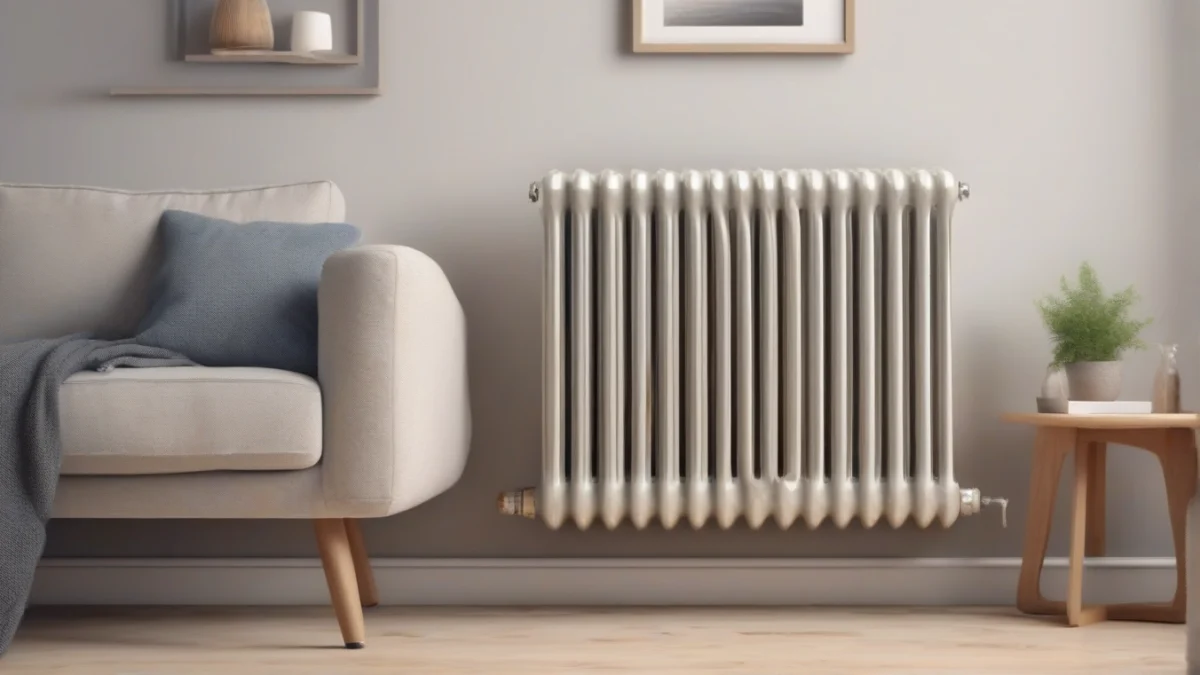
The heater’s metal fins contain a sealed reservoir of oil. When the heater runs, an electric element warms the oil, which then heats the fins by conduction. The fins transfer heat to the room by convection and radiation.
Oil has a high specific heat capacity, meaning it absorbs a lot of heat before its temperature rises significantly. This thermal mass slows the rate at which the heater’s surface gets hot. The result is a gradual increase in room temperature rather than a quick burst of heat.
Thermal inertia is the key concept here. Once the oil is hot, it stays hot for a long time because it cools down slowly. Even after the heating element cycles off, the radiator continues to emit warmth steadily. This prevents sudden temperature drops and reduces cycling noise.
This slow, steady heat is why oil radiators feel more comfortable and stable than heaters that blow hot air quickly but cool down fast. The warmth spreads evenly and lingers, making the room feel cozy without hot or cold spots.
The trade-off is that oil radiators take longer to reach their full heat output. They are not the best choice if you want instant heat. Instead, they suit rooms that stay occupied for hours, where maintaining a constant temperature matters more than speed.
The heater’s thermostat controls the temperature by switching the element on and off. Because the oil releases heat slowly, the thermostat cycles less frequently than with fan heaters. This improves energy efficiency and reduces wear on components.
This type of heater is quiet since it has no fan. The only sound comes from the thermostat clicking when it turns the element on or off. The absence of forced air also means no dust or allergens blow around, which benefits sensitive users.

Understanding Thermal Mass and Heat Transfer
Thermal mass is the ability of a material to absorb, store, and release heat. In oil-filled radiators, the oil inside acts as the thermal mass, absorbing heat from the electric element and releasing it slowly over time.
This slow release of heat creates a steady and stable warmth, unlike heaters that blow hot air directly. The oil heats up gradually, then continues to radiate heat even after the element switches off.
To reduce heat loss from an oil radiator, keep the fins clean and avoid placing the heater near cold walls or drafts. Positioning the radiator away from windows and sealing room drafts helps maintain the heat it radiates.
Radiator heat loss protection involves using insulation around walls and windows and ensuring the room is draft-proof. This keeps the warm air inside and prevents the radiator’s heat from dissipating too quickly.
Compared to fan heaters or ceramic heaters, oil-filled radiators rely more on thermal mass than forced air circulation. Fan heaters heat the air quickly but lose heat fast when off. Ceramic heaters warm up and cool down faster because ceramic has less thermal mass than oil.
| Heater Type | Thermal Mass | Heat Release Speed | Heat Stability |
|---|---|---|---|
| Oil-Filled Radiator | High (oil inside) | Slow and steady | Stable and lasting |
| Ceramic Heater | Medium (ceramic core) | Faster | Moderate |
| Fan Heater | Low (air only) | Immediate | Short-lived |


Running Costs of Oil Radiators
To calculate the running cost of an oil radiator, multiply its wattage by the hours used, then convert to kilowatt-hours (kWh) and multiply by your electricity rate. For example, a 1500 W heater running 8 hours daily at 17 cents per kWh costs 1.5 × 8 × 0.17 = $2.04 per day.
Oil radiators often consume less energy over time because their thermal mass keeps rooms warm longer after they turn off. This contrasts with ceramic fan heaters that use electricity continuously to maintain heat.
Factors that influence energy consumption include room insulation, heater settings, and thermostat use. Using a thermostat to maintain a steady temperature reduces wasted electricity.
Between ceramic fan heaters and oil radiators, oil radiators are better for continuous, stable heating in medium to large rooms. Ceramic fan heaters heat up faster but cost more to run for long periods.
| Appliance | Watts | Per hour | Per day (8 h) | Per month (30 days) |
|---|---|---|---|---|
| 1,500 W oil-filled radiator | 1,500 W | 26¢ | $2.04 | $61.20 |
| Heated blanket | 100 W | 1.7¢ | 14¢ | $4.08 |
Comparing Oil Radiators to Other Heaters
Oil-filled radiators heat slower than ceramic and fan heaters because of their thermal mass. The oil inside absorbs heat gradually and releases it over time. Ceramic heaters warm up quickly by heating a ceramic core with electric coils, then transferring heat by convection and radiation. Fan heaters blow hot air immediately, speeding up room heating but cooling down fast when off.
| Heater Type | Heat-up Speed | Heat Distribution | Best Use Case |
|---|---|---|---|
| Oil Radiator | Slow (10-15 minutes) | Even, steady heat from surface | Bedrooms, living rooms for long-term warmth |
| Ceramic Heater | Fast (few minutes) | Focused and gentle, some convection | Bathrooms or small spaces needing quick heat |
| Fan Heater | Immediate | Forced hot air, uneven in large spaces | Quick spot heating and short-term use |
Oil radiators spread heat by warming their metal fins and casing, providing steady radiant and convective heat. Ceramic heaters emit heat from a hot ceramic plate, which warms air and nearby surfaces but cools faster. Fan heaters push hot air directly, causing quick temperature changes but uneven distribution, especially in larger rooms.
To prevent heat loss from an oil radiator, place it away from drafts and close doors and windows. Use draft stoppers and insulate windows to keep the warm air inside. Avoid blocking the radiator’s fins or panels with furniture or curtains, which reduces heat flow and efficiency.
Choose oil or ceramic core radiators based on use. Oil radiators are best for steady, long-lasting heat in bedrooms or living rooms. Ceramic core heaters suit smaller areas and short bursts of heat, like bathrooms or offices. Fan heaters help when you need fast, targeted warmth but are less efficient for all-day use.
For a deeper comparison of oil and ceramic heaters, see ceramic vs oil heater. For understanding how fan heaters distribute heat, check why fan heaters blow hot air but your room stays cold.
Ideal Scenarios for Using Oil Radiators
Oil radiators are best when consistent, stable warmth is necessary over several hours. Their thermal mass keeps the room temperature steady even after the heater cycles off. This suits bedrooms, living rooms, and well-insulated spaces where you want to maintain comfort without temperature swings.

In rooms with good insulation, oil radiators efficiently maintain warmth without frequent cycling. They also work well in rooms where you stay for long periods, like home offices or dens. The slow cooling means you won’t feel sudden cold drafts when the heater switches off.
Small bathrooms need quick heat and humidity control. Oil radiators take too long to warm these spaces effectively. Instead, use a ceramic heater or a fan heater designed for bathrooms, which heat quickly and dry the air. Keep safety in mind and use models with splash resistance and tip-over protection.
Use other heater types if you want immediate heat or only heat for short periods. Fan heaters or ceramic heaters provide rapid warmth but cool down fast when off. Oil radiators are inefficient for quick heat-up needs or rooms you use only briefly.
For more on heating bathrooms without a radiator, see why ceramic heaters feel warm but don’t heat a room. For maintaining stable room temperatures with oil radiators, see how oil radiators maintain stable room temperatures.
Frequently Asked Questions about Oil Radiators
Oil radiators require minimal maintenance. Check the power cord and plug regularly for damage. Wipe the exterior with a dry or slightly damp cloth; avoid liquids inside the unit. There is no need to refill or replace the oil, as it is sealed inside.
Drafty homes reduce the effectiveness of oil radiators. The steady heat they provide can be lost quickly through drafts. Sealing windows and doors improves performance. For drafty spaces, a faster-response heater may be more practical.
Oil radiators are safe to leave unattended only if the model includes tip-over and overheat protection and is UL, ETL, or CSA listed. Even then, avoid running them while sleeping or away for long periods. Follow the manufacturer’s safety instructions closely.
A well-maintained oil-filled radiator can last 10 to 15 years or longer. The sealed oil and simple heating element mean fewer parts wear out quickly. Avoid impacts or dropping the heater to prevent oil leaks, which require replacement.
Oil heaters use electricity at their rated wattage—usually 1,200 to 1,500 watts. They consume the same electricity as other electric heaters of similar wattage. Their thermal mass means they cycle on and off less frequently, which can feel more efficient but does not reduce total energy use.
Using an oil radiator in a bathroom is generally not recommended unless the model is specifically rated for bathroom use. Bathrooms are humid environments that can damage the heater’s electrical components. If used, keep the heater away from water sources and never touch it with wet hands.
Frequently Asked Questions
What maintenance do oil radiators require?
Can oil radiators be used in drafty homes?
Are oil radiators safe to leave unattended?
How long do oil-filled radiators last?
Do oil heaters consume a lot of electricity?
Can you use an oil radiator in a bathroom?
We cover heaters that retain warmth in its own guide.
For the detail, see our notes on staying warm with oil radiators.
