
Walking into a chilly hallway can be frustrating, especially when the rest of your home feels warm. This temperature drop is often a sign of issues with airflow, insulation, or heating system balance.
Reasons Your Hallway Is Colder Than the Rest of Your House
A hallway often feels colder than other rooms because it usually lacks direct heating and has more exposure to drafts and poor insulation. The main causes are HVAC system imbalances, insulation gaps, air leaks, and thermostat placement issues.
Hallways typically have fewer or no heating vents compared to living rooms, so warm air circulation is limited. This creates a temperature difference that makes the hallway feel colder.
An HVAC system imbalance is a common cause. Heating vents may be closed or undersized in the hallway, or the system’s airflow is unevenly distributed. This leaves the hallway with less warm air, especially if nearby rooms receive more airflow.
Insulation deficiencies in walls and ceilings around the hallway let cold air seep in and warm air escape. Older homes often have less insulation in hallways since they are seen as transitional spaces. This causes the hallway surfaces to feel colder and lowers the air temperature.
Air leaks around doors, windows, or where the hallway meets the exterior or unheated spaces can bring in cold drafts. Even small cracks under door thresholds or gaps around window frames can cause noticeable cold spots in a hallway.
Thermostat placement also affects hallway temperature. If the thermostat is located in a warmer room, it may signal the system to shut off before the hallway reaches a comfortable temperature. This leaves the hallway colder than the rooms near the thermostat.
- Inspect HVAC VentsMake sure hallway vents are open and not blocked by furniture or debris. Adjust dampers if your system has them to increase airflow to the hallway.
- Check InsulationLook for cold spots on walls and ceilings using your hand or a thermal camera if available. Add insulation in wall cavities or attic areas adjacent to the hallway if needed.
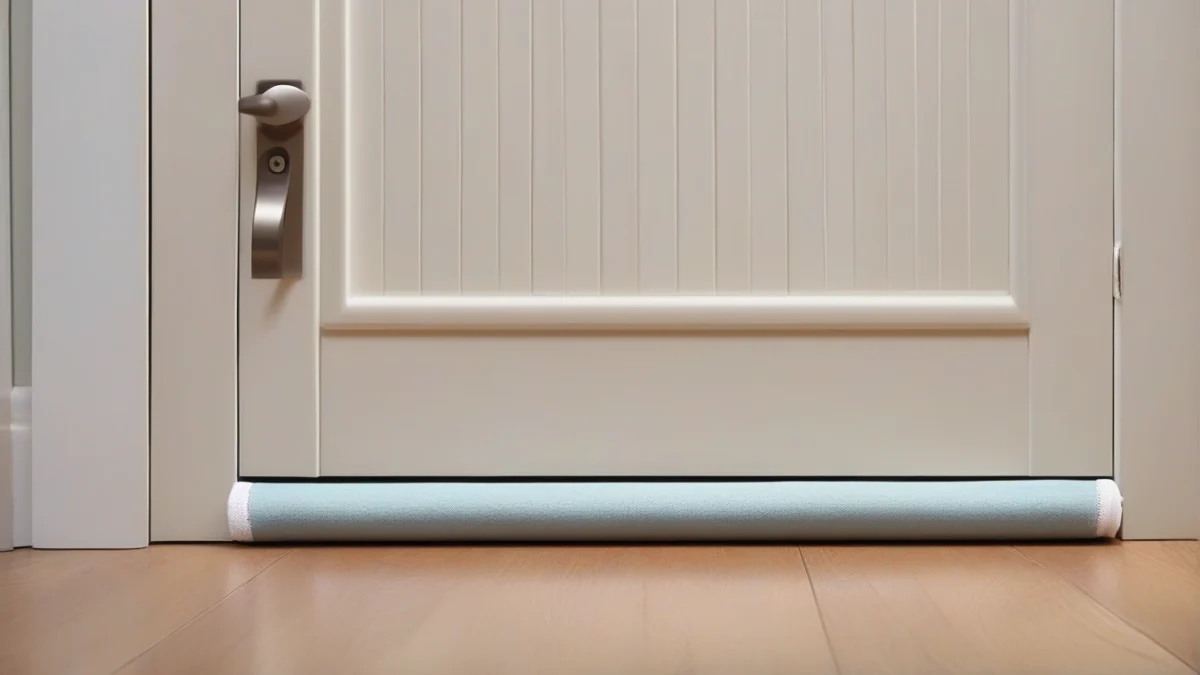
- Seal DraftsApply weatherstripping on hallway doors and caulk gaps around windows and trim. Use door sweeps to block cold air under doors leading to unheated spaces.
- Evaluate Thermostat PlacementIf the thermostat is far from the hallway, consider moving it or adding a remote sensor to better balance home heating.
Fixing a cold hallway starts with balancing your HVAC system to ensure even heat distribution. Then, sealing drafts and improving insulation will reduce heat loss. Adjusting or supplementing thermostat controls can help maintain a steady temperature throughout your home.
These steps address the main reasons why a hallway is colder than a living room or other spaces. For detailed fixes and when to call a professional, see the next sections.
Diagnosing the Cold Hallway Problem
Start by measuring the hallway temperature with a basic indoor thermometer. Place it at waist height and compare it to the thermostat reading in a warmer room nearby. A difference of more than 5°F shows the hallway is significantly colder and needs attention.
- Check for drafts with the hand testStand near doors, windows, electrical outlets, and baseboards. Move your hand slowly and feel for any cold air movement. Even a slight breeze means a draft, which cools the hallway. Mark drafty spots for sealing later.
- Inspect vent airflowIf your hallway has heating vents, place your hand near each vent to feel the airflow. Weak or no airflow means the hallway is not getting enough warm air. Check if vents are blocked or closed, and open them fully.
- Look for blocked or closed ventsEnsure all supply and return vents in the hallway and adjacent rooms are open and unobstructed. Furniture, rugs, or closed doors can reduce airflow and cause cold spots.
- Compare temperatures at different heightsSince warm air rises, measure temperature at floor level and at head height in the hallway. A large drop near the floor can indicate poor circulation or cold drafts from below.
Immediate Fixes for a Cold Hallway
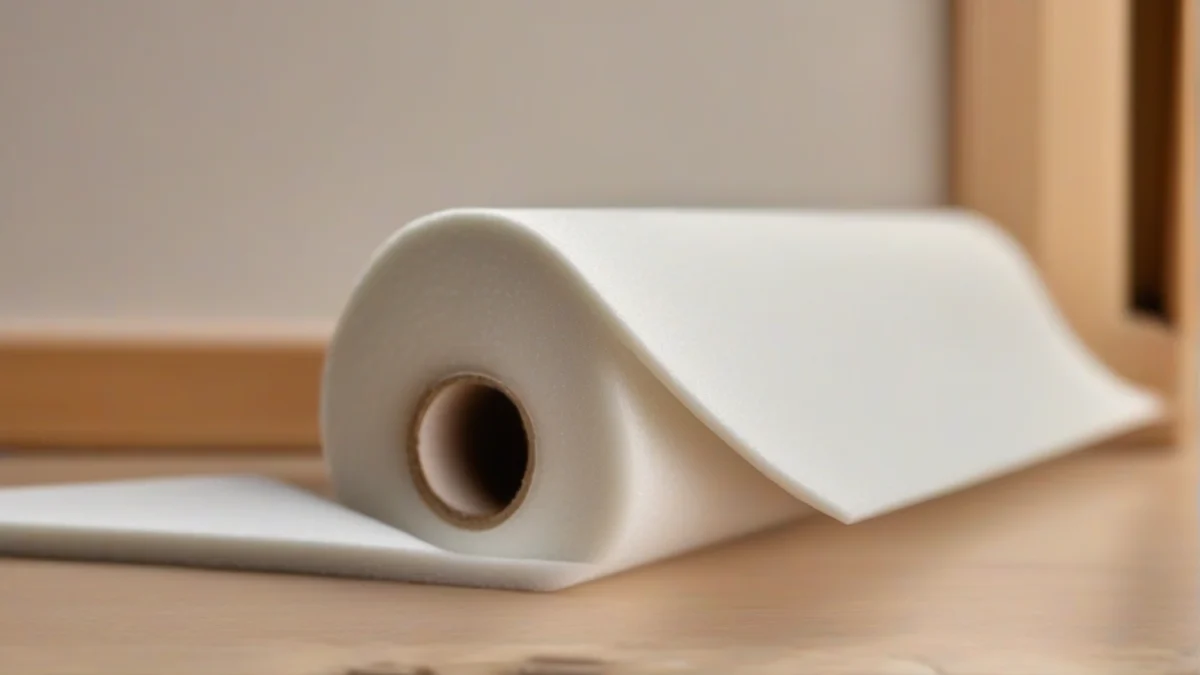
Seal air leaks with weatherstripping to stop drafts that make hallways colder. Check around door frames, window edges, and baseboards for gaps. Peel-and-stick foam or rubber weatherstripping is easy to install and blocks cold air effectively. Press it firmly along the gap to seal out drafts.
- Find draftsHold a lit incense stick or thin tissue near suspected gaps. The smoke or paper movement shows where air leaks.
- Clean surfacesWipe the area dry and free of dust before applying weatherstripping to ensure good adhesion.
- Apply weatherstrippingCut strips to length and press into place. Make sure door sweeps seal the bottom gap under hallway doors.
Balancing your HVAC vents improves airflow to the hallway. Furniture or curtains can block registers, so clear those first. If the hallway vent feels weak, partially close vents in warmer rooms to push more air toward the hallway.
- Check all ventsFeel airflow at each vent. Use a piece of tissue or your hand to compare strength.
- Adjust dampersIf your vents have dampers, use a screwdriver to partially close vents in other rooms, redirecting air to the hallway.
- Open hallway vents fullyMake sure hallway registers are fully open and unobstructed.
Improving air circulation helps warm the hallway. Use a small fan at the end of the hall to push warm air from adjacent rooms. Ceiling fans set to rotate clockwise on low speed pull warm air down from the ceiling, spreading heat evenly.
- Position a fanPlace a box fan or oscillating fan to blow warm air into the hallway from a heated room.
- Set ceiling fan directionTurn off the fan, then switch the blade rotation to clockwise. Run it on low speed to circulate warm air downward.
When to Call a Professional HVAC Technician
Call an HVAC technician if your hallway stays cold despite sealing drafts and balancing vents. Persistent cold spots often indicate deeper issues.
Ductwork problems can reduce airflow to the hallway. Leaks, blockages, or disconnected ducts waste heat and lower pressure. A professional can inspect and repair ducts, restoring proper heating.
An air balancing service adjusts your entire HVAC system to distribute heat evenly. This requires specialized tools and knowledge to measure airflow and make precise damper adjustments. Technicians test each room’s temperature and airflow to optimize comfort.
HVAC professionals also check your system’s capacity. If your furnace or heat pump is too small for your home or malfunctioning, no amount of vent adjustment will fix the cold hallway. They can recommend system upgrades or repairs.
Preventative Measures for a Warmer Hallway
Prevent cold hallways by improving your home’s heating efficiency and airflow. Start with a smart thermostat to control temperature zones. It adjusts heating based on your schedule and occupancy, reducing cold spots like hallways and lowering energy waste.
Check your ductwork for leaks or blockages. Air leaks in ducts reduce warm air delivered to the hallway. Seal visible leaks with mastic or foil tape. If ducts are hard to access or damaged, hire a professional for evaluation and repair.
Regular maintenance keeps your heating system running efficiently. Replace filters every 1 to 3 months to maintain airflow. Clean vents and registers to avoid dust buildup that blocks heat. Schedule annual HVAC tune-ups to catch problems early.
Balancing your HVAC system also prevents cold hallways. Adjust dampers in ductwork to direct more warm air to the hallway. This can require professional help but improves comfort throughout your home.
Insulating your hallway walls and ceiling reduces heat loss. Add insulation if accessible during renovations. Seal gaps around door frames and baseboards to block drafts.
Use door sweeps and weatherstripping on hallway doors to keep warm air inside. Avoid closing doors that block heat flow from nearby rooms unless you have a dedicated heat source in the hallway.
Consider adding a small, efficient heater designed for hallways if other measures fall short. Choose a model with tip-over and overheat protection and a UL or ETL safety listing.
These long-term steps improve overall home heating efficiency and keep hallways warmer year-round. They reduce strain on your heating system and lower energy bills.
For more on fixing uneven heating, see common heating problems and how to fix them. To explore heater options suitable for hallways, check best heaters for long, cold hallways.
Frequently Asked Questions
What are common causes of a cold hallway?
How can I check for drafts in my hallway?
What should I do if my HVAC system isn’t heating the hallway?
When is it time to call an HVAC technician?
How do I balance the airflow in my home?
What are some long-term solutions for a cold hallway?
There is more on understanding temperature differences in a guide of its own.
Before you buy anything, it is worth looking at addressing cold spots in homes.
